

Caged Diplomacy: Two Rescued Bears, Global Scrutiny, and South Asia’s Shifting Narrative
POLICY WIRE — Islamabad, Pakistan — It wasn’t a groundbreaking treaty signing, nor a high-stakes trade negotiation. It was just two bears — Bruno and Amira — moving from perpetually darkened...

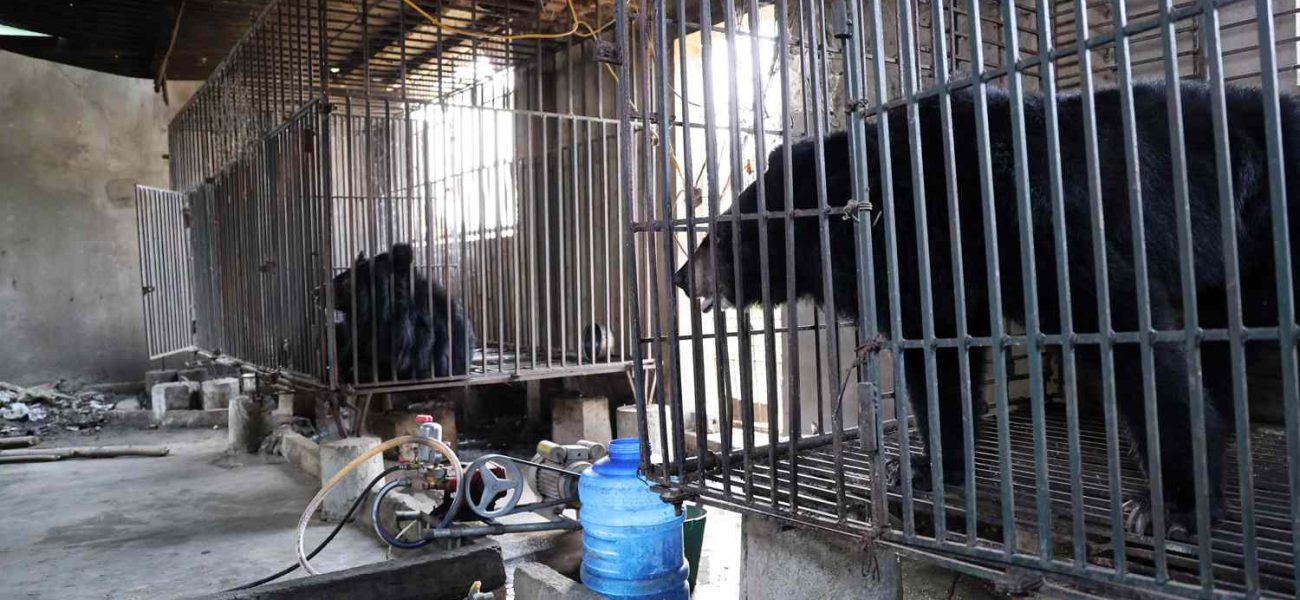
POLICY WIRE — Islamabad, Pakistan — It wasn’t a groundbreaking treaty signing, nor a high-stakes trade negotiation. It was just two bears — Bruno and Amira — moving from perpetually darkened concrete pits to what looks, finally, like sky. Their odyssey, from years in a dilapidated zoo to a wildlife sanctuary, has fewer raw megatons of political power than a typical diplomatic communique, but it packs an undeniable punch in the ongoing, often subtle, war of international perception. This isn’t just about animals; it’s about a nation’s optics.
For decades, these bears existed, not lived. Think tiny, stifling spaces where the sun was an urban myth. That kind of neglect doesn’t just disappear. It festered, quietly accumulating an international outcry—a slow burn that even hardened policymakers eventually couldn’t ignore. But because this particular rescue played out in a sensitive geopolitical theater, its implications stretch well beyond mere animal compassion. It’s an unlikely case study in how pressure groups and evolving global standards can impact national policy, even if the primary goal is PR.
The transformation of Bruno and Amira’s lives, funded by international animal welfare organizations, serves as an unwitting canvas for projecting an image. A country often viewed through lenses of security concerns and regional friction now has an opportunity to showcase a different side. And hey, it’s not bad press to have famous animals in the good graces of international activists, is it? We’re not talking about deep statecraft here, but every bit helps.
“These weren’t just isolated incidents of neglect; they were symptoms of a systemic disregard for basic animal welfare that has, quite frankly, damaged regional perceptions for years,” explained Dr. Lena Khan, director of the Pan-Asian Wildlife Initiative, her voice tight with years of advocacy. “When animals suffer visibly, it makes the world wonder what else a government isn’t quite getting right. It’s a tough lesson, but sometimes, a caged bear teaches more than a hundred diplomats ever could.”
The operational shift wasn’t cheap, nor was it without significant bureaucratic wrangling, sources close to the effort indicate. Bringing Bruno and Amira from their old enclosure to a new, sprawling, forest-like habitat—complete with a pond and space for actual bear behaviors—required not only substantial donations (reportedly in the high six figures) but also quiet diplomatic channels and a good deal of persistent lobbying. And it marks a tangible success for NGOs in compelling action in jurisdictions where such matters haven’t historically been priorities.
“Our commitment to animal welfare reflects a broader, modernizing ethos across the nation, an understanding that progress isn’t just economic or military, but also extends to how we treat the most vulnerable creatures in our care,” asserted Dr. Bilal Ahmed, Director of Pakistan’s National Wildlife Department. His statement, carefully worded, suggested an acknowledgment of past criticisms, a nod to international standards, and a subtle declaration of intent. It’s what you say when the cameras are watching, — and it’s surprisingly effective.
📄 POLICY WIRE WHITEPAPER PUBLISHED: PAKISTAN'S NATIONAL SECURITY POLICY PRIORITIES
👉 READ BY CLICKING HEREBut make no mistake, while the individual stories are heart-wrenching, the underlying current is all policy. Worldwide, a shocking estimated 70-80% of illegal wildlife trade involves live animals, according to a recent global conservation report—a figure that should give any responsible nation pause, not just for the animals’ sake, but for what it implies about law enforcement and governance. It’s an arena ripe for strategic engagement, or for becoming a soft target for criticism.
Because ultimately, allowing international organizations to step in, to offer expertise and resources for such high-profile animal rescues, is a calculated move. It’s not simply a humanitarian act (for animals, that’s). It signals a willingness to engage, a transparency, however partial, that some governments actively resist. For a country keen to reframe its international image—as Pakistan has often tried, even in its broader strategic narratives—these smaller victories against perceived barbarity carry disproportionate weight.
What This Means
The sight of two bears finally feeling grass beneath their paws isn’t just a feel-good story; it’s a lesson in global politics and soft power. Politically, the intervention and successful relocation underscore the growing influence of non-state actors—NGOs, celebrities, and grassroots activists—in shaping foreign perceptions of nations. When direct diplomatic channels face blockades, these animal welfare campaigns offer an alternative, less confrontational path for engagement. They create a kind of neutral ground, where governments, while still guarding their sovereignty, can appear responsive to global humanitarian impulses, deflecting some of the more hard-edged critiques.
Economically, these types of high-profile animal rescues can attract a different kind of investment—donations, conservation grants, and even specialized tourism down the line, if managed astutely. It’s not about immediate GDP gains, but about building long-term reputational capital. Think of it as a subtle rebranding exercise. A nation that protects its wildlife is perceived as stable, progressive, and generally more responsible—qualities that attract everything from foreign aid to private sector investment over time. It demonstrates a capacity for modern governance and sensitivity to ethical concerns, making it a more palatable partner on the international stage. But it’s a tightrope walk; such efforts can easily be dismissed as mere window dressing if not followed by more systemic, consistent policy reforms in other sectors.