


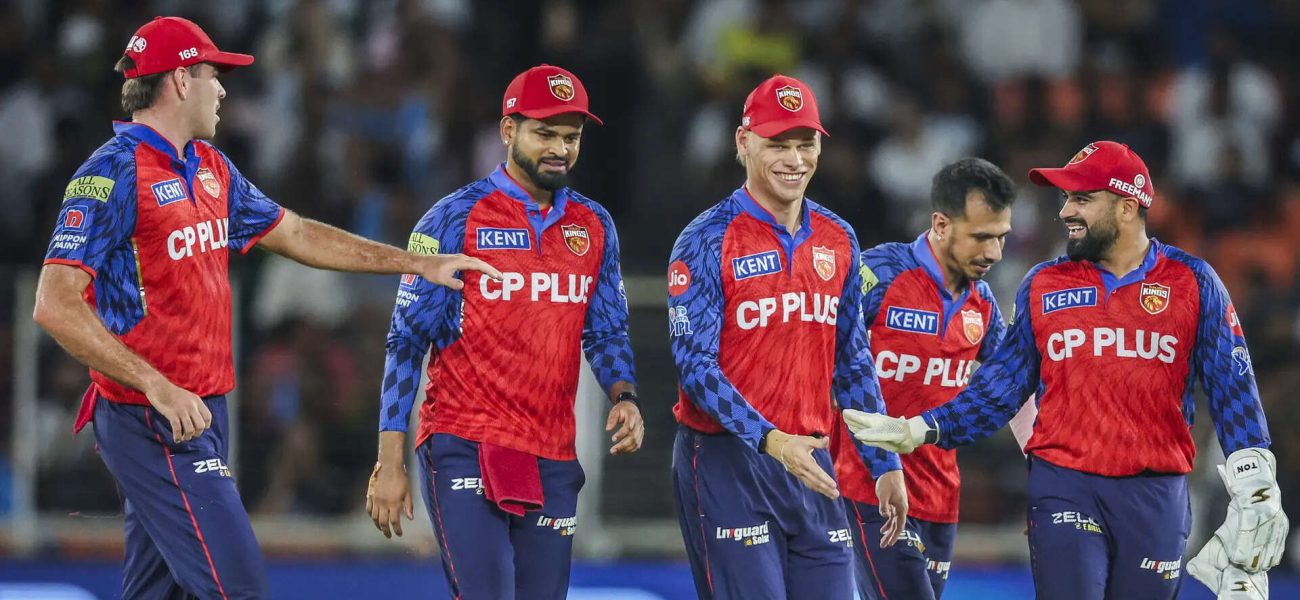
Dharamsala’s Last Stand: Faltering IPL Giants Seek High-Altitude Miracle Amidst Commercial Vortex
POLICY WIRE — Dharamsala, India — There’s a particular kind of brutal clarity that only comes when millions of dollars, national pride, and fragile corporate sponsorships hang precariously on...

POLICY WIRE — Dharamsala, India — There’s a particular kind of brutal clarity that only comes when millions of dollars, national pride, and fragile corporate sponsorships hang precariously on the performance of a handful of athletes. And it rarely looks as stark as it does for the Punjab Kings and Delhi Capitals, two struggling franchises in the behemoth known as the Indian Premier League. They’re playing this Monday, up in Dharamsala, a place famed for its serenity, a picturesque refuge in the Himalayas. But don’t let the postcard-perfect vistas fool you—the air might be thin up there, but the commercial pressure? That’s heavy, palpable enough to choke. These teams aren’t just fighting for points; they’re fighting for relevance, for the continuation of an illusion of competitiveness that has, for weeks, felt profoundly false.
It’s not often the Dhauladhar range offers a backdrop to what feels like a corporate restructuring meeting in disguise. But here we’re. Punjab Kings, not so long ago looking like a proper contender, now appear a ghost of their early-season selves. Six wins in seven games. Then, a collapse: Rajasthan, Gujarat, Hyderabad—they’ve all walked over them. It’s an implosion, really. Not graceful, not slow, but a sudden, violent crack exposing the frailty that can plague even the best-resourced outfits. You could almost feel the collective wince from their boardroom watching those recent games, especially the one where their catching looked like a public service announcement for remedial hand-eye coordination. Momentum? It vanishes quicker than political promises before an election, especially in this league.
And what of Delhi Capitals? Well, they’re practically on life support. Five defeats from their last six matches, a grim tally that plants them firmly near the bottom of the pile. Their batting has the temperament of a flickering fluorescent light, constantly threatening to go dark. Kuldeep Yadav, usually a menace, seems to be having an off-year, which just adds to their misery. The optics aren’t good. Even bringing back a big name like Mitchell Starc felt less like a strategic masterstroke and more like a desperate, last-ditch effort, something you’d expect from a government trying to win over a jaded electorate right before polling day. It was late; the season, largely, had moved on. They need perfect cricket from here on out. They also need a whole lot of other teams to mess up. Fat chance.
The IPL, despite its glitz, is a cold, hard business. “Look, this ain’t just a game; it’s a multi-billion dollar operation, an economic engine for the country, even a source of soft power abroad,” a senior Board of Control for Cricket in India (BCCI) official, who spoke on background citing protocol, told Policy Wire. “Every franchise represents serious investment, global brand partnerships. Underperformance impacts more than just fan morale; it’s about balance sheets.” The pressure is intense. These are players who know their worth is calculated not just in runs or wickets, but in projected viewership and sponsor loyalty.
This league isn’t merely an Indian phenomenon; it’s a South Asian cultural juggernaut, its tendrils extending across borders, igniting passionate debates in Pakistan, Bangladesh, and beyond. While direct participation from certain nations remains curtailed by geopolitical complexities, the IPL’s massive commercial success offers a potent, albeit indirect, blueprint. The elite pressure cooker of the IPL often makes local cricketing structures in smaller economies seem quaint by comparison. Its allure pulls talent — and capital like a black hole, often dwarfing other regional tournaments.
📄 POLICY WIRE WHITEPAPER PUBLISHED: PAKISTAN'S NATIONAL SECURITY POLICY PRIORITIES
👉 READ BY CLICKING HERE“A floundering team isn’t just bad for fans; it’s a tangible dent in regional branding and potentially future investment prospects,” said Dr. Anya Sharma, an independent economic analyst specializing in sports economies, in an interview. “When teams consistently fail, that shine wears off. And with the IPL’s brand value soaring to an estimated $10.7 billion in 2023, according to Houlihan Lokey’s recent report, any significant dip is taken seriously by investors and league operators.” It’s a testament to the league’s financial scale that underperforming means hitting the balance sheet, not just the stat sheet.
What This Means
This match isn’t just another fixture in a packed tournament. It’s a high-stakes test of organizational resilience — and commercial viability. For Punjab Kings, a continued losing streak threatens to sour a fan base already prone to cynicism, making future merchandising and local sponsorship deals harder to clinch. They’ve invested heavily, — and owners don’t like seeing their assets depreciate on prime-time television. And for Delhi Capitals, the picture is even grimmer; they’re scraping the barrel, a prolonged struggle could necessitate difficult decisions about personnel and coaching, perhaps even reshaping their entire commercial strategy in an unforgiving market. This isn’t just about a playoff spot anymore. This is about maintaining investor confidence, proving the enduring value of their stake in the IPL’s lucrative ecosystem. Failure now will send ripples far beyond the cricket pitch, forcing owners and the league itself to re-evaluate what it takes to sustain competitive excellence when billions are on the line. Because, at this level, optics are everything, and poor performances chip away at more than just a win column—they erode market perception and stakeholder trust.