

The Prodigal Son’s Unsettling Return: Martin’s Triumph Tests Loyalty, Not Just Speed
POLICY WIRE — Le Mans, France — It wasn’t the kind of comeback tale motorsports often sells, neatly packaged and drenched in sentiment. Oh no, Jorge Martin’s return to MotoGP’s...

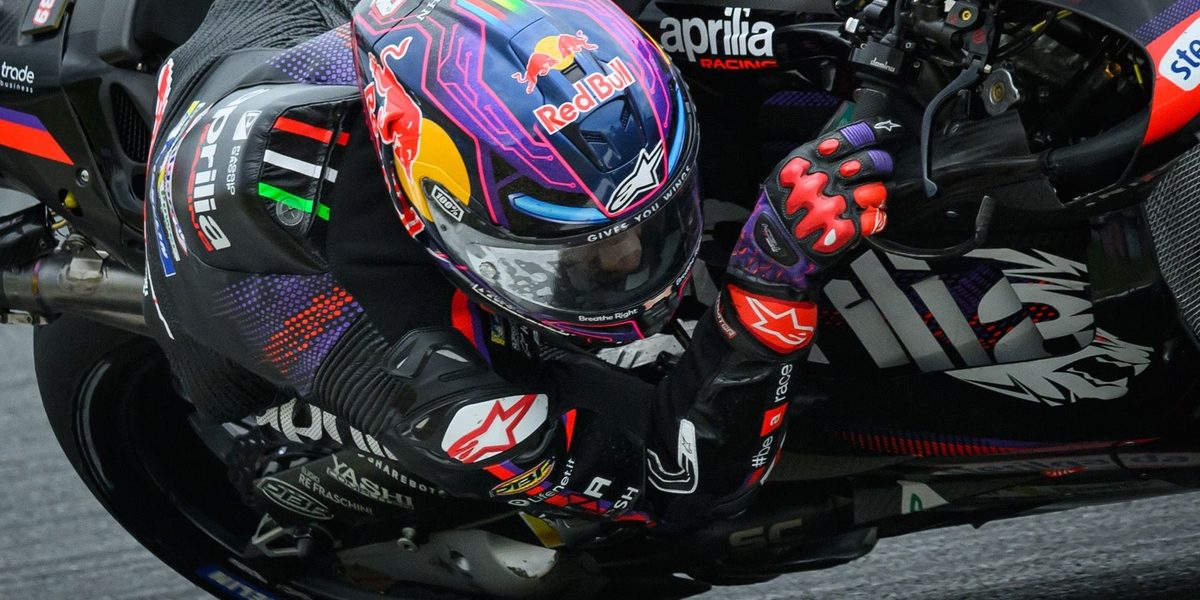
POLICY WIRE — Le Mans, France — It wasn’t the kind of comeback tale motorsports often sells, neatly packaged and drenched in sentiment. Oh no, Jorge Martin’s return to MotoGP’s winner’s circle at Le Mans this past Sunday carried a grittier edge—a thick scent of past disputes, shattered expectations, and the sort of raw, almost petulant determination that doesn’t just win races, but shifts allegiances and unsettles boardrooms. It’s not often a world champion declares himself prouder of a single race victory than a season-long title, but then again, Martin’s 2025 was hardly typical.
Because that year, a mere blink after claiming the 2024 MotoGP crown, Martin slid into a mire of sidelining injuries and, perhaps more tellingly, an ugly spat over his contract with Aprilia. Motorsport.com broke the story: the then-champion, convalescing and frustrated, was trying to wriggle free from his commitment. He’d eyed Yamaha, a corporate flirtation that, while ultimately unsuccessful, certainly left a lingering aftertaste. That period, 2025 through early 2026, saw him miss the bulk of the races—a career abyss by any measure.
But the Spaniard, at 28, didn’t just crawl out of it; he erupted. His recent sprint wins foreshadowed Le Mans, yet the grand prix victory—his first since his title-winning campaign two years prior—felt different. It was less a celebration of pure speed — and more a statement of existential survival. “Yeah, for sure. I’m really happy to be back at my top level,” Martin said, his words tinged with something deeper than usual winner’s relief. “I think now I am a better rider than I was in 2024, for sure.” He added, “I always say that I am grateful for the bad things that happened to me, because if you take that as something to improve, something to learn from it, it just makes you a better man. So all the bad things that happened to me make me the man that I am today.” A stark, almost defiant assessment from a man who once looked very much on the out.
His resurgence, and that complicated public relationship with Aprilia, now puts the team – and frankly, the sport’s top brass – in an interesting spot. Is loyalty a one-way street? What’s a rider’s value when their talent clearly outstrips their contentment with the present arrangement? “Jorge’s commitment on track, even after what was undeniably a challenging year for both him and the team, demonstrates the kind of mental fortitude that defines champions,” remarked Romano Albesiano, Aprilia Racing’s technical director, in a guarded statement following the victory. “We always believed in his capacity for recovery.”
Martin made short work of teammate Marco Bezzecchi on Sunday, decisively ending the pursuit — and claiming victory. Bezzecchi, though still leading the championship by a threadbare point, has plenty to chew on after Le Mans. And for Martin? He isn’t done. “We still don’t have my base [set-up],” he offered, implying even more speed was lurking, waiting to be unleashed. “So I’m working on that.” Imagine that—the dominant force is still figuring things out.
And these narratives — of ambition, resilience, and the relentless pressure of global competition — resonate far beyond the paddock. Even in places like Pakistan, where domestic challenges often overshadow distant sporting spectacles, the sheer, unadulterated grit of a professional athlete fighting their way back from the brink commands a universal, almost visceral respect. It’s a story of triumph over odds, whether personal or structural.
What This Means
Martin’s win isn’t just another notch on a racer’s belt; it’s a potent, complex case study in the volatile economics of top-tier professional sports. For team owners and sponsors, it highlights the razor’s edge between holding onto talent and losing them to more lucrative pastures, particularly when loyalty is tested by performance slumps or external bids. His outspoken determination to leverage “bad things” into personal growth suggests a high-value asset — an athlete whose psychological resilience itself becomes a marketable commodity, beyond lap times.
It also sends a signal to riders navigating career peaks and valleys: adversity, even if self-inflicted (via attempted contract wrangling), can be spun into a powerful narrative of self-improvement. The broader implications for MotoGP, an industry that generated approximately $3.2 billion in revenue in 2023, according to Forbes’ latest sports valuation report, involve recalibrating player-team relations. Teams, having invested millions, are acutely sensitive to any perceived lack of commitment, yet Martin’s return to form demonstrates the sheer, often irreplaceable, value of an elite rider who finds his mojo, regardless of the past.
Ultimately, this isn’t just about a race. It’s about how raw talent, bruised ego, and hard-nosed corporate strategy collide — a mess that somehow produced pure gold on a French racetrack. And everyone’s watching what Martin, this complicated, undeniable force of nature, does next.