

Tenerife’s Unwanted Guest: A Hantavirus Cruiser Ignites Old Pandemic Scars
POLICY WIRE — TENERIFE, Spain — The scent of salt air and blooming jacaranda typically defines Tenerife, a sun-drenched jewel in the Canaries. But these days, an invisible miasma of unease hangs...

POLICY WIRE — TENERIFE, Spain — The scent of salt air and blooming jacaranda typically defines Tenerife, a sun-drenched jewel in the Canaries. But these days, an invisible miasma of unease hangs heavy. It’s not the actual threat of disease that’s most potent; it’s the specter of past fears, a fresh scar on the public psyche reopened by a cruise ship bearing an unusual—and unusually feared—passenger.
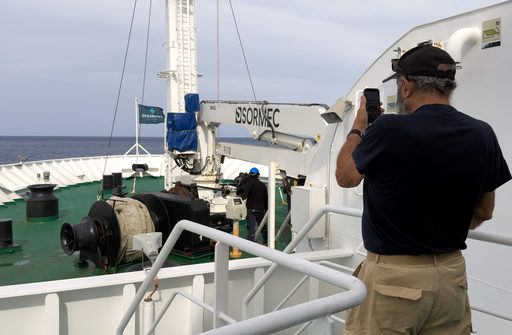
Picture it: A ship, the Dutch-flagged MV Hondius, approaches. Not with joyful vacationers eager for landfall, but with an unwanted reputation. A few cases of hantavirus, some tragic deaths, and the memory of COVID-19’s relentless march – it’s a potent cocktail for apprehension, even if the medical reality is, arguably, quite different. When the World Health Organization’s top brass shows up on your island, guns blazing with assurances, you know it’s not just about a virus; it’s about public relations in a world forever changed by a pandemic.
Dr. Tedros Adhanom Ghebreyesus, the WHO Director-General, flew in with Spanish ministers, not just to coordinate a careful disembarkation, but to calm a very nervous local populace. “I get it. You hear ‘outbreak,’ you see a ship, and those images of 2020 – they just rush right back,” he conceded in a candid statement to islanders. “The pain is real, absolutely. But listen closely: this isn’t another COVID. This Hantavirus situation? It’s a low risk, we’re managing it.” He said it unequivocally, sounding like a doctor trying to soothe a jumpy patient. Yet, the implicit request was profound: trust us. Trust the process.
But trusting takes work. Just over two dozen passengers from at least 12 countries had already disembarked before the true scale of the health concern aboard was properly identified. It’s not a stellar record for international health vigilance. A resident like Simon Vidal, 69, wasn’t buying the reassurances entirely. “Anyone can say what they want,” he groused, reflecting a sentiment many might share globally. “Why did it have to come here? Anywhere else. Why the Canaries?” His words weren’t born of malice, but of a weary resignation that their patch of paradise somehow always catches the brunt of global problems.
Spanish Health Minister Monica Garcia, whose job it’s to project competence and calm, weighed in with practiced diplomacy. “We understand the concerns, of course, but let’s be clear: Every single measure, every single precaution, has been activated,” Garcia told reporters. “Passengers will be ferried off this vessel, symptom-checked, — and immediately escorted to awaiting flights. This is not a drill. This is a meticulously planned international operation to protect both our citizens and those in transit.” And she wasn’t kidding about the planning; over two dozen nationalities are on that ship, necessitating an extraordinary international coordination effort for their repatriation.
Because, make no mistake, this isn’t merely a health crisis. It’s a diplomatic juggling act. Countries worldwide, from the US and UK sending planes to Nebraska’s medical facilities, to the Dutch coordinating their nationals’ quarantine, are involved. This logistical ballet involves leaving personal luggage behind—a small price, perhaps, for public safety, but a stark reminder of the disruption. Meanwhile, crew members remain, as does the body of a passenger who died aboard, awaiting a full vessel disinfection in the Netherlands.
📄 POLICY WIRE WHITEPAPER PUBLISHED: PAKISTAN'S NATIONAL SECURITY POLICY PRIORITIES
👉 READ BY CLICKING HEREWhat This Means
This incident, small in comparison to the tidal wave of COVID-19, nonetheless offers a poignant glimpse into the fractured landscape of post-pandemic global health. It shows us how quickly trust can erode, even with concerted efforts by international bodies like the WHO. Economically, while a few isolated cases won’t tank the Canaries’ vital tourism sector, the underlying anxiety could impact traveler confidence—a costly ripple effect for any region that lives and breathes tourism.
Politically, the handling of such outbreaks tests a government’s mettle, both domestically — and on the world stage. Failure to inspire confidence can quickly become a hot potato. Take the example of public health communications in Pakistan after early COVID waves—misinformation and initial mixed messaging contributed to lower compliance in some areas, proving how quickly public perception dictates reality. Here in Tenerife, the narrative, not just the virus, is the primary battleground.
This episode also highlights a fundamental tension: global interconnectedness versus local sovereignty. Ships sail where they must, but local populations decide if they’re welcome. It’s a dance between humanitarian obligation and the instinct for self-preservation, a battle of rational reassurances against visceral memory. Officials can quote statistics until they’re blue in the face—say, that the overall global mortality rate for confirmed hantavirus cases hovers around 35-40% depending on the specific strain, according to the CDC—but the public, remembering grocery store queues and empty streets, simply remembers fear. That’s the real lingering pandemic.