

Silent Threat, Lasting Law: Texas Mother’s War on Tiny Terrorists
POLICY WIRE — Austin, Texas — They’re in your key fob, your kids’ noisy toys, and those cheerful greeting cards. Tiny, unassuming discs of power, a staple of modern life. But for one...

POLICY WIRE — Austin, Texas — They’re in your key fob, your kids’ noisy toys, and those cheerful greeting cards. Tiny, unassuming discs of power, a staple of modern life. But for one Texas family, these ubiquitous button batteries became silent, corrosive assassins. Their insidious danger—the burns they inflict inside a child’s delicate body—is what fueled a mother’s relentless, agonizing campaign, turning her personal tragedy into a sweeping federal mandate.
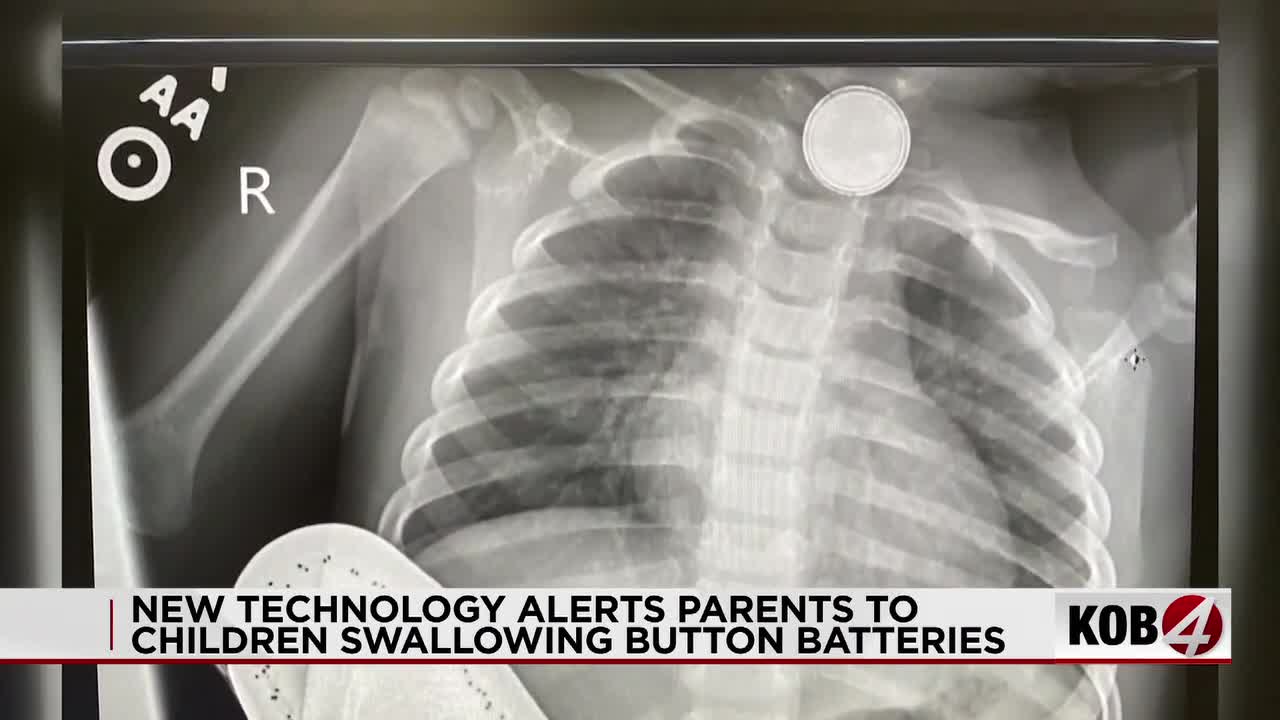
It wasn’t a sudden crisis for Trista Hamsmith; it was a slow, agonizing descent. Her 18-month-old, Reese, started wheezing — and coughing back in October 2020. A doctor, initially misled by symptoms, suggested antibiotics. Days later, another frantic hospital trip unveiled the truth: a button battery lodged deep in Reese’s esophagus, burning tissue even after surgical removal. She fought for seven weeks. Then, she didn’t.
Many would understandably crumble. Hamsmith, however, found an unexpected kind of steel. She channeled that unimaginable grief into “Reese’s Purpose,” a non-profit dedicated to ensuring no other family endures such a horror. And she went to war—against industry complacency, against regulatory inertia, against the very obscurity of this danger.
“You don’t think about something like this until it happens to you,” Hamsmith told reporters, her voice tight but firm, years after the fact. “The whole point of Reese’s Law isn’t just a label. It’s about protecting every child from these things. Every single one.”
Her advocacy hit the halls of Washington. U.S. Representative Jodey Arrington, seeing the devastating human cost behind the sterile policy documents, rallied support. Arrington reflected on the process: “Passing legislation in Washington—even for something so patently sensible as child safety—is always an uphill grind. But Trista’s resolve, that fierce parental protection, it cuts through the political noise in a way nothing else can.” He’s right; sometimes, the sheer force of human will gets things done.
The fruit of Hamsmith’s unyielding push is ‘Reese’s Law,’ federal legislation demanding child-resistant packaging for button batteries and stringent performance standards for products containing them. But also, because she’s a pragmatist, Hamsmith worked directly with manufacturers. Her numerous trips to Energizer’s headquarters ultimately led to a truly safer product: the Energizer Ultimate Child Shield, designed to turn a child’s mouth blue upon contact, a vivid warning sign that it’s been ingested. Walmart is already stocking them; other retailers aren’t far behind.
It’s an absolute game-changer. The statistic is chilling: Over 3,500 button battery ingestions were reported to U.S. poison control centers in 2022 alone, according to the National Poison Data System. These aren’t just minor scares; many lead to devastating internal injuries. Because these batteries often get stuck and burn through flesh—even after removal—the potential for lasting damage, or death, is far too high.
The problem, of course, isn’t limited to American homes. Globally, especially in developing regions where product safety regulations are often less robust, button battery dangers persist largely unchecked. Pakistan, for example, faces a unique confluence of challenges, from less regulated imports to a general lack of public awareness campaigns around household hazards. Children there are perhaps even more vulnerable to accidental ingestion, making education and safer products a worldwide necessity, not just a localized policy fix. It’s a battle that extends far beyond political skirmishes; it’s about the very lives of a nation’s youngest.
But the work isn’t done. Even with Reese’s Law, older, unprotected batteries still lurk in millions of devices—everything from flameless candles to tiny remotes, legacy cell phones, and talking toys. So, it’s all about education, isn’t it? Hamsmith says parents should give honey (if the child is over 12 months) on the way to the ER, to coat the battery and buy precious time. Because every second counts.
What This Means
This saga represents a telling pivot in how consumer product safety evolves. Historically, such changes often followed repeated, often well-documented incidents, necessitating broad public outcry or class-action lawsuits. Here, one incredibly determined individual, working through a heart-wrenching loss, became the spearhead for preventative legislation. Politically, Reese’s Law highlights the continuing, if often slow, power of personal narrative to cut through legislative deadlock, particularly in bipartisan areas like child safety. Economically, it mandates a shift for manufacturers—a small added cost per battery or product, but one that could significantly reduce healthcare burdens associated with these ingestions, which run into the tens of thousands per incident.
This isn’t just about batteries; it sets a precedent. It suggests that future campaigns for child safety, be they against dangerous magnet sets or water beads (which Hamsmith also champions), might find a similar path through persistent, direct advocacy. And culturally, it reinforces a fundamental truth: even the smallest, most unassuming dangers require the greatest vigilance, and sometimes, a mother’s unending purpose is the only shield strong enough.