


Bolivia’s Fuel Fiasco: How ‘Slop’ Gas Sparks an Electric Surge
POLICY WIRE — La Paz, Bolivia — You wouldn’t think an economic basket case, buckling under the weight of collapsing gas production and a state-managed price regime, would suddenly become a...

POLICY WIRE — La Paz, Bolivia — You wouldn’t think an economic basket case, buckling under the weight of collapsing gas production and a state-managed price regime, would suddenly become a hotbed for electric vehicle adoption. But then, Bolivia isn’t most places, is it? The nation, rich in lithium yet starved for decent petroleum, is seeing its beleaguered populace quietly—or not so quietly—ditto the internal combustion engine. Not out of environmental zeal, mind you. No, this pivot is born of pure, grinding frustration.
See, for months, sometimes for what feels like forever, Bolivian drivers have been playing a grim lottery at the gas pump. Hours-long queues? That’s normal. Empty stations? Happens all the time. And if you do get your hands on some fuel, well, there’s a good chance it’s the kind of “slop” that makes mechanics wince. It’s often dubbed ‘junk gasoline’—highly diluted, prone to fouling engines, and frankly, a mechanical menace. It chews up parts, leaves you stranded, and drains wallets faster than you can say ‘government subsidy.’ But hey, it’s cheap, right? Or rather, artificially cheap, thanks to a hefty, decades-long state subsidy program that’s costing the government an eye-watering sum.
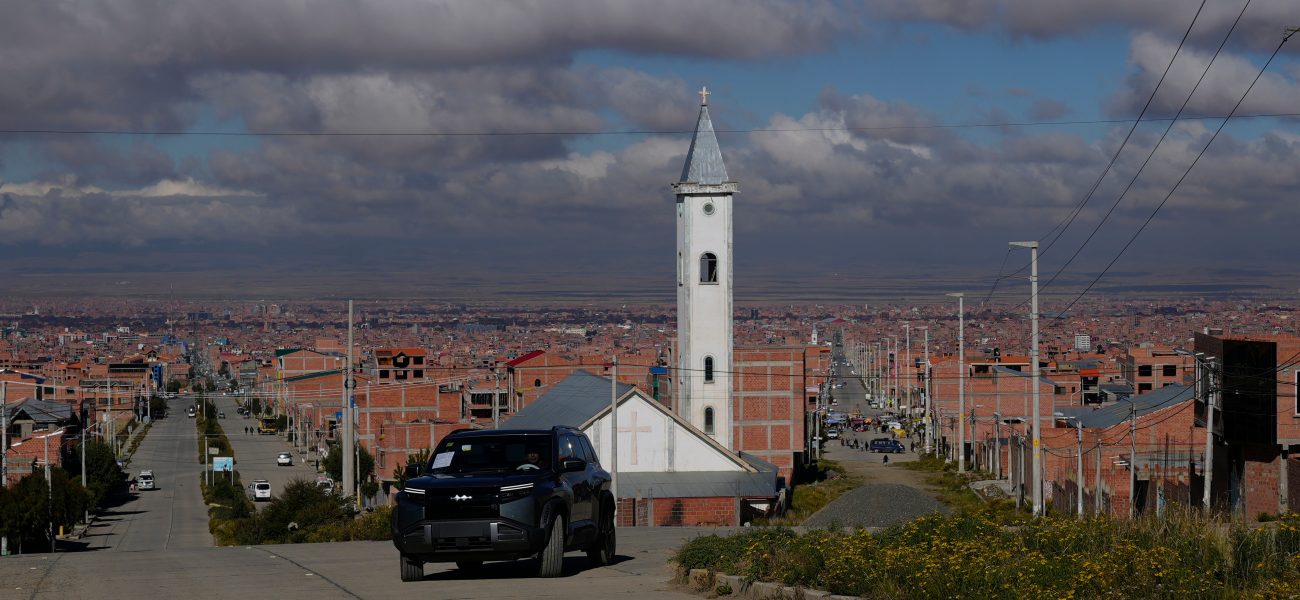
Because of this mess, Bolivians are now — remarkably — turning to electric wheels. They’re not exactly Tesla showrooms popping up, but an unmistakable shift is underway. The small electric cars — and even e-motorcycles, often Chinese imports, are showing up everywhere. They’re a desperate, practical answer to an infrastructure in decay. And the numbers don’t lie: According to a recent analysis by the Bolivian Automotive Chamber, imports of electric and hybrid vehicles surged by over 150% in 2023, a figure previously unimaginable. It’s a spontaneous revolution, if you will, sparked by inconvenience and sheer economic logic rather than enlightened climate policy.
It’s an awkward predicament for the ruling Movimiento al Socialismo (MAS) party. On one hand, they’re tied to nationalist dogma about resource control; on the other, they’re presiding over the decline of the very energy sector they championed. They can’t admit their flagship fuel company, YPFB, isn’t cutting it. So, they import. Lots. They don’t have a choice. Energy Minister Franklin Molina, in a surprisingly candid press briefing, recently tried to spin it. “We’re consistently working to guarantee supply for all Bolivians,” he offered, a smile that didn’t quite reach his eyes. “These temporary adjustments are necessary steps as we build a more resilient and sustainable energy future for our nation.” Sounded a bit like whistling past a graveyard, if you ask me.
And you know, this isn’t just some quaint Latin American eccentricity. We see similar dynamics playing out in corners of the world far removed from the Andean peaks. Look at Pakistan, for instance. Faced with its own energy infrastructure challenges, an ever-present current account deficit, and rising global commodity prices, its energy policies are under similar—albeit geopolitically distinct—strain. The dependency on costly imports, the struggle to balance consumer subsidies against fiscal realities, the constant scramble to keep the lights on and the pumps flowing—it’s a shared playbook of pain for developing economies trying to juggle stability with sustainability.
📄 POLICY WIRE WHITEPAPER PUBLISHED: PAKISTAN'S NATIONAL SECURITY POLICY PRIORITIES
👉 READ BY CLICKING HEREMeanwhile, for ordinary Bolivians, the switch to electric isn’t about saving the polar bears. It’s about getting to work without a three-hour detour at a fuel station. It’s about not needing to fix a clogged injector every other month. Economist Gonzalo Chavez, never one to mince words, puts it plainly. “The government’s continued refusal to adjust fuel prices, combined with YPFB’s production collapse, has created an utterly unsustainable system. It’s an unholy mess, frankly. They’ve driven the economy into a ditch with these policies.” And he’s right, mostly. The current subsidy system is a monster, sucking up somewhere between 3% — and 4% of Bolivia’s GDP annually. It’s draining the public coffers dry, — and for what? Bad gas?
But the government, perhaps understandably, fears the immediate political fallout of hiking prices. Bolivia has a history of unrest tied to such moves, which they really don’t need right now. So they delay, they import, — and they hope for a miracle. Meanwhile, the electric bikes hum past, a growing sign of collective exasperation turning into pragmatic action.
What This Means
The unintended electric vehicle boom in Bolivia isn’t a success story of green policy, but a sharp indictment of failed energy governance and unsustainable economic strategies. Politically, it illustrates the Catch-22 many resource-rich developing nations face: exploit natural wealth for revenue, but then subsidize consumption to maintain social peace. When production falters — and global prices soar, this strategy becomes a fiscal black hole. The MAS government is walking a tightrope, knowing that removing fuel subsidies could ignite widespread protests, while maintaining them risks economic collapse. Economically, the cost of these subsidies—billions annually—starves other public sectors like health and education, hindering long-term development. This involuntary shift to EVs, while seemingly positive, bypasses strategic planning, leaving unanswered questions about electricity grid capacity and charging infrastructure. It’s a clear signal to policymakers everywhere: unsustainable subsidies don’t just distort markets; they force citizens to innovate out of desperation, often with unpredictable and potentially volatile long-term consequences.