


The Perennial Siege: Aid Activists Ousted as Gaza’s Lifeline Remains Taut
POLICY WIRE — Tel Aviv, Israel — Sometimes, the quietest gestures spark the loudest policy debates. This week, it wasn’t a volley of rockets or a grand diplomatic summit capturing headlines,...

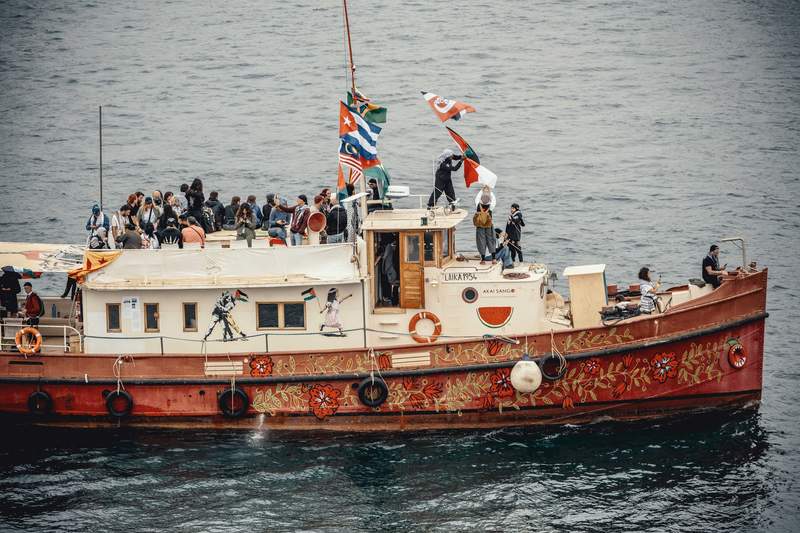
POLICY WIRE — Tel Aviv, Israel — Sometimes, the quietest gestures spark the loudest policy debates. This week, it wasn’t a volley of rockets or a grand diplomatic summit capturing headlines, but the subdued, almost procedural expulsion of two foreign aid activists by Israeli authorities. They’d attempted to breach the maritime blockade of Gaza, carrying—presumably—nothing more dangerous than hope and provisions. And just like that, the endless, suffocating stalemate surrounding the Palestinian enclave clicked back into focus, reminding us all of the complex dance between sovereignty, security, and human despair.
It’s not news, not really. This pattern’s been running on a loop for years, a grim metronome marking the slow pulse of a place largely cut off from the world. But it’s these little, human-scale dramas that pull back the curtain on the bigger, bloodier tableau. These activists, one European and one from North America, were intercepted aboard a small vessel attempting to deliver what they termed “desperately needed supplies” to Gaza’s shores. Once detained — and processed, they were unceremoniously put on planes heading home. A logistical formality, perhaps, for the state that apprehended them. A public relations skirmish for the humanitarian groups. But for the people penned inside Gaza, another window just got nailed shut.
Because let’s be blunt: the international community’s patience with Israel’s decade-plus blockade has worn thin. Oh, Tel Aviv insists it’s all about security—thwarting arms smuggling, keeping Hamas at bay. “We cannot allow our sovereign waters to be violated under the guise of ‘humanitarian missions’ that serve only political provocations,” stated Eylon Levy, an Israeli government spokesperson, in what’s become a well-worn refrain. “Israel has a right—indeed, a duty—to protect its borders and its citizens from all threats.” It’s a robust argument, no doubt, when viewed through a certain prism. But for aid organizations, it’s a direct contradiction to international law.
“The plight of Gaza isn’t a political football; it’s a humanitarian emergency. These blockades are collective punishment,” countered Dr. Fiona Maxwell, Director of ‘Aid Without Borders,’ speaking from Brussels. “And we won’t stop until aid flows freely to those who desperately need it. Deporting two activists doesn’t change the facts on the ground—only compounds the injustice.” Strong words, certainly. But what good are words when the doors stay bolted?
For many in the Muslim world, particularly in countries like Pakistan, these incidents resonate deeply. Islamabad has consistently—and loudly—championed the Palestinian cause, often framing the Gaza blockade as a symbol of colonial oppression. Protests routinely erupt across Pakistani cities whenever tensions flare in Palestine, reflecting a widespread, visceral identification with Palestinian suffering. For nations like Pakistan, long staunch advocates for Palestinian rights, these incidents aren’t just isolated events—they’re symbols of systemic injustice that fuel resentment across the region. They aren’t just about ‘local’ politics either, becoming points of global concern, a constant drip-drip of tension in the larger, fractious South Asian geopolitical narrative that sometimes bleeds into the complex dynamics of regional power plays.
📄 POLICY WIRE WHITEPAPER PUBLISHED: PAKISTAN'S NATIONAL SECURITY POLICY PRIORITIES
👉 READ BY CLICKING HEREThe numbers don’t lie, either. According to a 2023 report by the UN Office for the Coordination of Humanitarian Affairs (OCHA), over 80% of Gaza’s population relied on some form of humanitarian assistance, a figure that has climbed dramatically over the last decade. It’s an unsustainable reality, leaving a densely packed population—nearly half of whom are children—teetering on the edge, always. These attempts to breach the blockade, while symbolically potent, rarely succeed in moving significant tonnage of goods. Their true effect, perhaps, is simply to remind the world that Gaza exists, that people suffer there, and that international norms, particularly those regarding the provision of aid in conflict zones, are being tested constantly. Indeed, the legal nuances surrounding such blockades often brush up against difficult questions about the very rules of engagement in modern warfare.
What This Means
The quiet expulsion of these activists, rather than diffusing tension, effectively cements the status quo. It’s a message, loud and clear: Israel’s policy on Gaza’s blockade remains unwavering, regardless of international pressure or humanitarian appeals. This stance entrenches an already dire economic situation in Gaza, making recovery or sustainable development almost impossible. Economically, Gaza’s potential remains shackled, turning its young population into a captive workforce, often jobless, fueling desperation that Hamas leverages for its own ends. Politically, this reinforces the narrative among pro-Palestinian groups worldwide that peaceful activism is met with firm rejection, pushing some towards more confrontational methods, or at least strengthening their resolve for public condemnation. It also further isolates Israel diplomatically on this specific issue, as even its allies often express reservations about the humanitarian impact of the blockade. The deportations aren’t about stopping two people; they’re about maintaining a psychological barrier as much as a physical one—a stark reminder that the powers that be dictate who enters, what enters, and often, what hope is allowed to flicker inside the world’s largest open-air prison.