


Desert Shadows: Israel’s Covert Iraqi Foothold Unearths Enduring Regional Paranoia
POLICY WIRE — Washington D.C. — Funny thing, history. You think you’ve got the narrative nailed down, then some forgotten scrap surfaces, twisting the truth just enough to make you squint. Like...

POLICY WIRE — Washington D.C. — Funny thing, history. You think you’ve got the narrative nailed down, then some forgotten scrap surfaces, twisting the truth just enough to make you squint. Like the recent disclosure—not a bombshell, perhaps, but certainly a persistent little rumble—confirming what many had long suspected: Israel wasn’t merely watching the Iran-Iraq slugfest from afar. They were there. Deep in the Iraqi desert, running their own show.
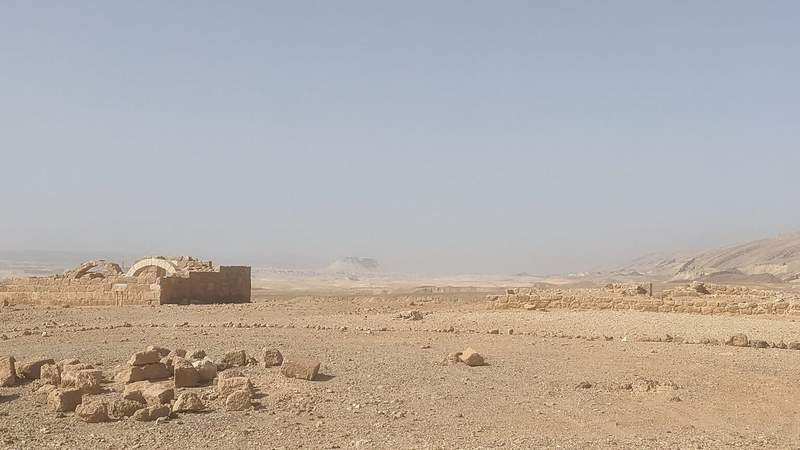
It sounds like something from a dusty spy novel, doesn’t it? A phantom base, allegedly established by Israel on hostile Iraqi soil during the brutal, often forgotten, war between Iran and Iraq (1980-1988). Not for direct engagement, mind you—don’t be silly. But for intelligence gathering. To keep tabs on two frenemies tearing each other apart, and perhaps, more tellingly, to ensure neither emerged too strong, too fast, or too close to a strategic advantage that could later be turned on them.
This isn’t about today’s headlines, really. It’s about a historical echo, a spectral image of old scores — and perennial distrust. The mere fact that Israel might’ve maintained a clandestine operational base within a country it shared no diplomatic ties with—and was technically at war with—is, well, a potent reminder of the raw, no-holds-barred nature of Middle Eastern geopolitics. There are no rules when survival feels like the only prize.
A former Israeli intelligence officer, speaking anonymously on condition of deep background, offered a dry, almost philosophical assessment. "You don’t play chess by conventional rules when the board’s on fire," they told us recently. "Our job was to anticipate, to understand. And sometimes, understanding means being closer than comfortable." It’s a sentiment that barely scratches the surface of the ethical and legal morass such operations wade into, but it speaks volumes about the perceived necessities.
But consider the other side of that particular desert coin. The reactions now, generations later, underscore a raw wound. "This isn’t some ancient history for us; it’s a continuous betrayal, proof that some powers will never respect sovereignty," declared Muhammad al-Sudani, a prominent Iraqi lawmaker, his voice tight with barely suppressed outrage. And you know, you can’t blame him. For a region that’s seen its share of foreign meddling—from colonial designs to modern interventions—this particular revelation just pours salt into already gaping wounds of mistrust.
The Iran-Iraq War itself, often overshadowed by subsequent conflicts, was a catastrophe of monumental proportions. It was estimated to have claimed anywhere from 500,000 to 1 million lives, leaving both nations crippled and fueling decades of instability. That conflict, like so many others in the region, became a breeding ground for proxy fights and shadow operations, its echoes still heard in the sectarian strife and geopolitical maneuvers we see playing out even now.
📄 POLICY WIRE WHITEPAPER PUBLISHED: PAKISTAN'S NATIONAL SECURITY POLICY PRIORITIES
👉 READ BY CLICKING HEREBecause ultimately, these aren’t isolated incidents. They connect. They build up a thick, dusty layer of suspicion that dictates state behavior. Think about it: a country like Pakistan, often navigating its own fraught relationship with regional powers and internal security challenges, watches these historical disclosures with an informed eye. It isn’t just news; it’s a data point in understanding the historical patterns of external intelligence activity, shaping its own strategic calculus regarding its neighbors and farther-flung rivals. The region’s states aren’t simply ‘reacting’ to today; they’re reacting to decades, even centuries, of perceived slights and real infringements.
And so, while a desert outpost might seem like a mere historical footnote, its very existence, and its eventual surfacing, keeps alive a certain paranoia. It tells us that what you see isn’t always what’s truly going on. In the game of nations, some plays are so deep in the playbook, they only ever come out under a veil of sand and secrets.
What This Means
This isn’t just about an old intelligence tidbit; it’s a reconfirmation of how regional suspicion gets baked in, forming the bedrock of modern diplomatic gridlock. Politically, it fuels anti-Israel sentiment within Iraq, providing fodder for those who seek to reject any semblance of normalization with the Jewish state. Economically, prolonged instability and lack of trust scare off serious long-term foreign investment in sensitive sectors, keeping fragile economies—like Iraq’s, always recovering from something—under constant strain. Because who really wants to commit billions to a region where your neighbor’s old adversary had a secret clubhouse just down the road? The enduring perception of covert foreign intervention, whether from Tel Aviv, Tehran, or elsewhere, only solidifies the argument for those who champion self-reliance and distrust external actors across the Muslim world. It reinforces the narratives of exploitation, making any future cooperation, even on humanitarian grounds, a diplomatic minefield. Turkey’s own intricate balancing act in the region, for instance, continually grapples with these kinds of deep-seated historical grievances and suspicions, making any bold policy move a gamble on an already volatile table.