

Ink and Blood: Turkey’s Gaza Gamble as Diplomacy Collides with Reality
POLICY WIRE — Istanbul, Turkey — The scent of strong Turkish coffee might have filled the air in Istanbul, perhaps even a plate of Baklava sat untouched, as Foreign Minister Hakan Fidan huddled with...

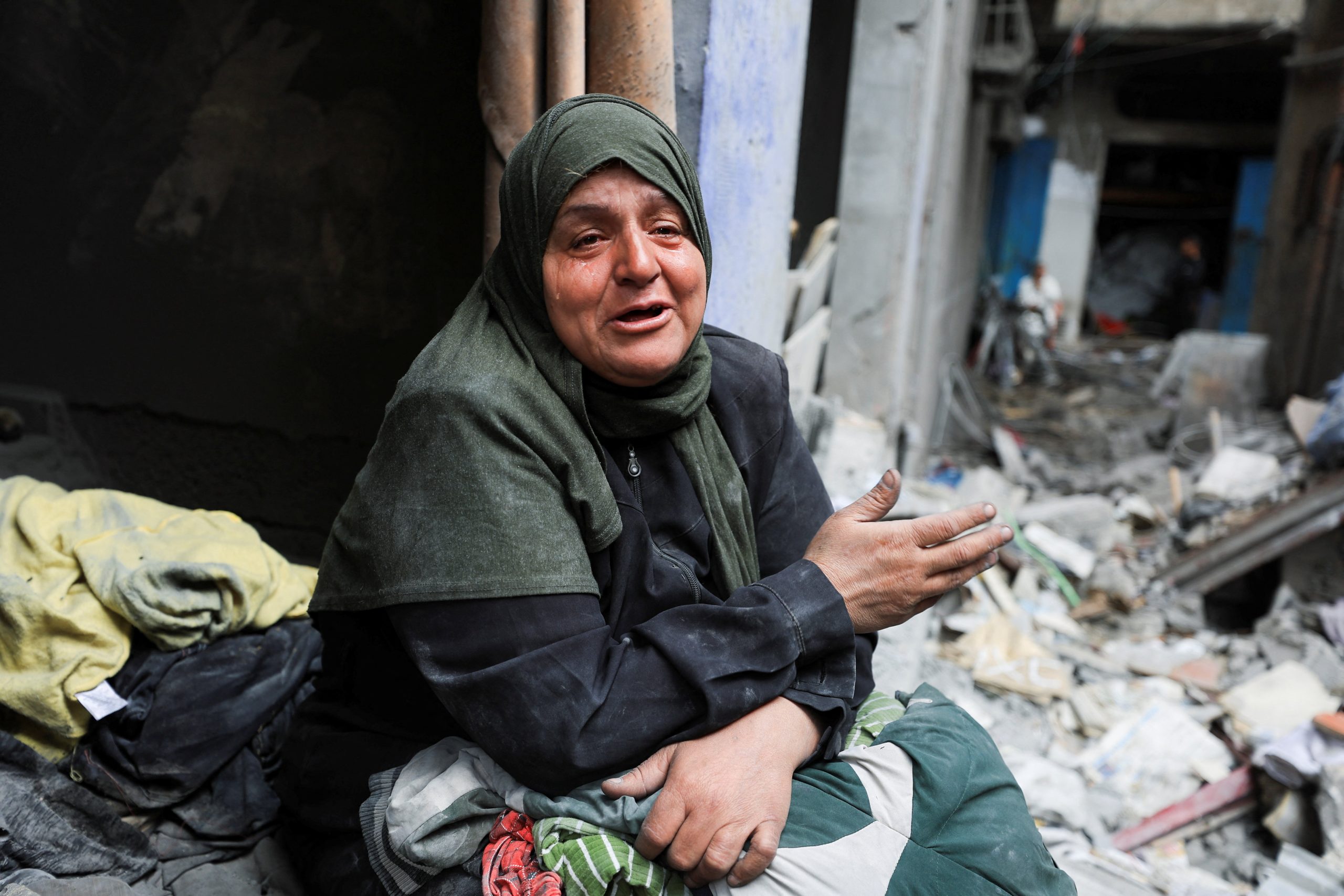
POLICY WIRE — Istanbul, Turkey — The scent of strong Turkish coffee might have filled the air in Istanbul, perhaps even a plate of Baklava sat untouched, as Foreign Minister Hakan Fidan huddled with Hamas political bureau chief Ismail Haniyeh. But some 1,000 miles south, the unmistakable tang of dust and pulverized concrete — and the grim smell of recent death — would’ve clung to everything in Gaza. One more life extinguished, the news tickers droned. A jarring, almost surreal counterpoint, wouldn’t you say? Diplomacy often unfolds in sterile rooms, a world removed from the carnage it purports to halt.
It’s an old game, this, a dangerous high-stakes gamble Turkey’s playing, portraying itself as a critical interlocutor in a conflict where most Western powers wouldn’t touch Hamas with a ten-foot pole. And President Erdoğan—he’s always had a knack for positioning Ankara at the center of the Muslim world’s political theatre, hasn’t he? This latest pow-wow, shrouded in characteristic Turkish opacity, underscores Ankara’s sustained push for influence in a region that’s quite literally coming apart at the seams.
“Our commitment to a just peace and the protection of Palestinian lives is unwavering,” Turkish Foreign Minister Hakan Fidan reportedly articulated following the discussions, his words tailored for the global stage. “We’re engaging all parties, because every life matters, and every dialogue, however difficult, holds the promise of an end to this brutal cycle.” It’s a compelling narrative, certainly. But what about the lives lost in between those dialogues? The questions linger like smoke from a fresh blast.
Because let’s be real, the talk wasn’t happening in a vacuum. A fresh fatality in Gaza served as an unwelcome, uninvited guest at the diplomatic table, a silent judgment on the pace and efficacy of these grand interventions. Hamas, for its part, continues to dig in its heels. “The cries of our people echo louder than any diplomatic pleasantries,” retorted Ismail Haniyeh, according to sources privy to Hamas’s internal communications. “We won’t lay down our arms while our land is occupied — and our children are butchered. Talks must lead to tangible protections, not empty promises.” No surprises there; they’ve said it before, they’ll say it again.
Turkey’s strategy, though seemingly humanitarian, isn’t without its calculated edges. It allows Erdoğan to project power and piety simultaneously—a favorite political two-step of his. This appeal isn’t just for domestic consumption, mind you, it also resonates across swaths of the Muslim world, from Cairo to Kuala Lumpur, and particularly in places like Pakistan. Pakistan, a country with its own complicated dance between Islamic solidarity and geopolitical realpolitik, often views such Turkish overtures with a blend of admiration and critical skepticism. They’ve seen plenty of diplomatic initiatives wither on the vine, after all.
The shared anguish in the Muslim world over Gaza’s relentless agony generates a political ripple effect, one that often outpaces conventional diplomacy. Many Muslim-majority nations, including those in South Asia, look to perceived champions of the Palestinian cause—and Turkey often assumes that role—with a mixture of fervent hope and nagging doubt. They wonder: are these sincere efforts or just performative political theatre designed to appease an outraged public? It’s a question without an easy answer, but one that definitely dictates their perceptions of regional leadership.
And let’s not gloss over the sheer, terrifying scale of the devastation. According to UN estimates, civilian displacement within Gaza has surged to an unprecedented 75% of its population since the current escalation began. Just picture it. Seventy-five percent. That’s not a temporary evacuation; that’s a wholesale uprooting, a profound humanitarian catastrophe unfolding in real-time while leaders sip tea and hash out terms that never quite seem to stick. Such figures highlight the desperate need for breakthroughs, but the gulf between the negotiators remains wide.
But does Turkey’s role truly move the needle, or is it merely adding another layer to an already impossibly tangled web of alliances and antagonisms? They’ve hosted Hamas before; it’s not exactly groundbreaking. The meetings offer a sense of activity, a comforting illusion of progress, even as the violence continues unabated. It’s almost as if the conversations themselves become the goal, rather than the cessation of suffering. What else can you call it when lives are being lost even as peace is being discussed? Call it cynical; call it reality. That’s just how the game works sometimes, isn’t it?
What This Means
This round of Ankara’s shadow diplomacy, unfolding amid Gaza’s continued agony, isn’t just about ending the current hostilities—if it were, we’d probably see different players. Politically, President Erdoğan leverages these engagements to solidify his image as a powerful defender of the Palestinian cause, shoring up support both domestically and among certain segments of the global Muslim populace. Economically, a destabilized Middle East directly impacts regional trade routes, energy markets, and investment confidence. Turkey, aspiring to be a regional economic power, can’t afford prolonged conflict on its doorstep, especially one that could draw it in more directly. this diplomatic tightrope walk positions Turkey as a unique, non-aligned mediator, a potential counterweight to Western influence—or at least that’s the hope in Ankara. The engagement gives Hamas a renewed sense of legitimacy, allowing its leaders to claim a seat at the table, however informal, while also allowing Turkey to claim leverage over a group shunned by many. For nations like Pakistan, Turkey’s actions become a benchmark, a challenge to their own diplomatic efforts, or a convenient way to voice concerns by proxy. The regional impact of this nuanced approach cannot be overstated; it reflects a continuing reordering of geopolitical priorities, where old alliances are tested, and new, opportunistic ones, are forged. It’s a calculated risk, one Ankara seems perfectly willing to take, regardless of the bloodshed it so often mirrors.