


The Beltway Battles: Why Wrestling’s ‘Forbidden Door’ Echoes Geopolitical Realpolitik
POLICY WIRE — Newark, Delaware — You don’t often find hardened policy analysts discussing choke slams or piledrivers. But if you peer past the glittering pyro and hyperbolic monologues, the...

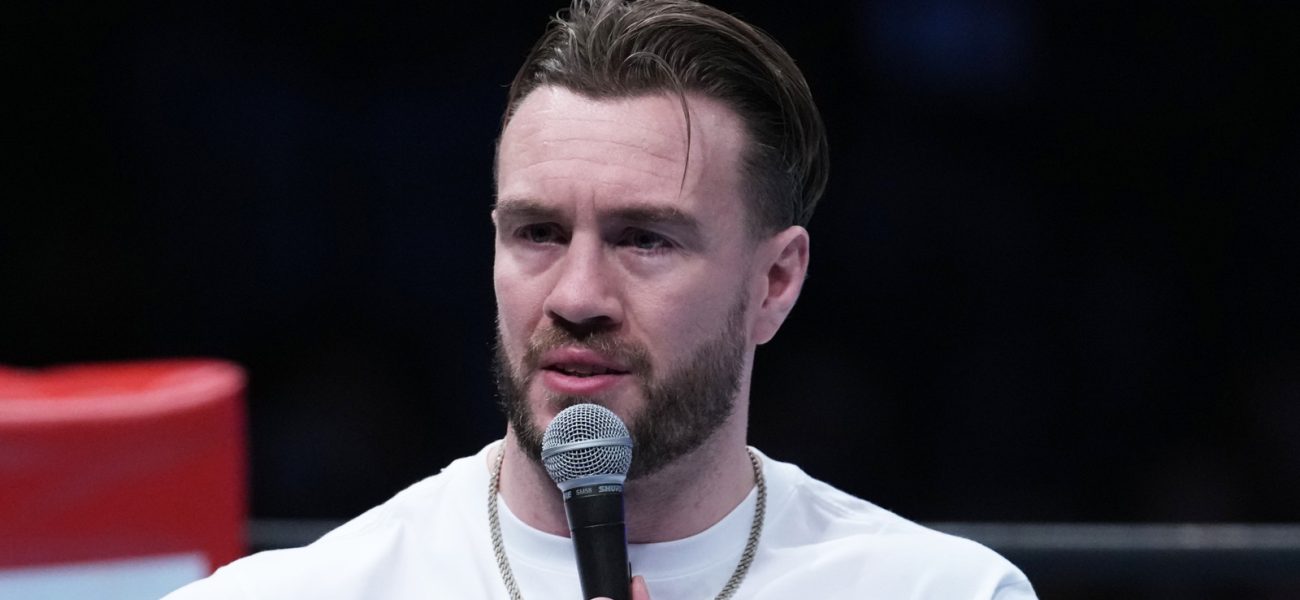
POLICY WIRE — Newark, Delaware — You don’t often find hardened policy analysts discussing choke slams or piledrivers. But if you peer past the glittering pyro and hyperbolic monologues, the world of professional wrestling—especially its ongoing, complex partnerships—begins to look eerily like the grand chessboard of international relations. We’re talking alliances of convenience, strategic maneuvers to undercut a rival (the industry’s undisputed superpower, World Wrestling Entertainment), and a quiet scramble for global market share. Will Ospreay, a Briton with a knack for gravity-defying acrobatics and candid assessments, recently pulled back the curtain, suggesting these aren’t just one-off exhibitions. Nope. They’re calculated power plays.
It’s not just about two companies — All Elite Wrestling (AEW) and New Japan Pro-Wrestling (NJPW) — putting on a few joint shows, raking in some cash. But rather, what Ospreay details is a long-term engagement. Think less fleeting handshake, more comprehensive trade pact. He’s not wrong. For years, the major wrestling promotions acted like warring nation-states, impenetrable borders separating their talent, fan bases, and narratives. Now, what they call the ‘Forbidden Door’ swings wide, letting talent, ideas, and — more importantly — eyeballs flow between territories.
“Look, everybody wins,” Ospreay told a reporter, probably while nursing a new bruise. “AEW gets fresh faces, NJPW guys get exposure to a massive American audience they might not typically reach, and we, the wrestlers, get to prove who’s truly best without all the political crap.” A refreshingly blunt take from an athlete, but it ignores the very politics he claims to bypass. Because at its core, this partnership is a pragmatic solution to a shared problem: how to grow in a competitive media landscape without getting swallowed whole. Tony Khan, the head honcho at AEW, sees it much the same way, though probably through a lens tinted with corporate strategy rather than mere athletic proving grounds.
“We’re building a global sports and entertainment product, one with unparalleled artistic freedom and authenticity,” Khan stated recently in a press release, painting a vision of expansion that goes beyond North America. “Collaborating with international partners like New Japan isn’t just about sharing talent; it’s about sharing a vision for professional wrestling’s future, reaching new fans, and presenting an alternative to the stagnant monopolies of yesteryear.” A typically bombastic statement, but it perfectly encapsulates the strategic play: disrupt, expand, conquer. And they’re not alone. We’re seeing similar consolidation — or at least, cross-promotional dalliances — in other niche markets, too. It’s a brave new world, kid.
And it’s paying off, at least marginally. Industry analysts at the Sports Business Journal reported a modest but significant 7% increase in global streaming viewership for professional wrestling across independent promotions over the past fiscal year, suggesting that these collaborative ventures are indeed tapping into new demographic pools. We’re talking about regions with rapidly expanding internet penetration and an insatiable appetite for digital content — like much of South Asia. Imagine the audience growth potential if NJPW’s celebrated “strong style” resonates in Karachi or Dhaka the way cricket captivates the masses.
📄 POLICY WIRE WHITEPAPER PUBLISHED: PAKISTAN'S NATIONAL SECURITY POLICY PRIORITIES
👉 READ BY CLICKING HEREFor NJPW, the calculus is different, more about protecting their brand’s integrity while expanding its footprint. They don’t need AEW’s money quite as desperately as AEW needs NJPW’s roster depth — and legacy. It’s an exchange of prestige for exposure. “Our tradition is everything,” explained a veteran NJPW executive, speaking on background during a Tokyo press event. “We’ve spent decades building New Japan Pro-Wrestling into a global force based on honor — and athletic prowess. These ventures simply allow us to share that excellence with more of the world, without compromising what makes us unique. We bring our legacy; AEW brings their significant television reach.” A delicate dance, no doubt, balancing commercial interests with cultural purity. It’s a bit like navigating international arms treaties, but with less actual bloodshed — usually. Still, both sides know what’s up. One false step, and it could all crumble. But the rewards? They’re huge.
The geopolitical metaphors here aren’t merely stylistic flourish. They point to fundamental truths about how any industry, even one built on scripted combat, operates in an increasingly interconnected — and therefore competitive — global economy. This isn’t a kids’ game anymore. These are corporate empires maneuvering for dominance. They’re leveraging soft power (in the form of popular entertainment) to expand their influence. The whole spectacle has become a masterclass in market aggression disguised as sport, and it’s genuinely compelling to watch unfold. The question isn’t whether more collaborations will happen; it’s how deeply they’ll reshape the landscape. Because if a brutal apprenticeship in the IPL can forge a new finisher, imagine what these cross-promotional wars could do for wrestling’s next global superstar. Or for the bottom line.
What This Means
This evolving partnership represents a significant realignment in the professional wrestling landscape, moving away from insular, almost protectionist models toward an integrated, cross-promotional ecosystem. Economically, it diversifies revenue streams for both companies, broadening audience reach and opening new avenues for merchandise sales and media rights, particularly in untapped markets like those across South Asia, which hold massive demographic potential and growing internet access—just think about the interest generated by a Pakistani cricketer’s viral encounter. Politically, within the industry, it’s a strategic coalition against a dominant force (WWE), leveraging combined talent pools and fanbases to offer a formidable alternative. This isn’t just about ‘good matches’; it’s about shifting power dynamics, market consolidation, and a shrewd recognition that collective strength can challenge established hegemonies more effectively than individual campaigns. It’s textbook alliance building, just with more spandex.