


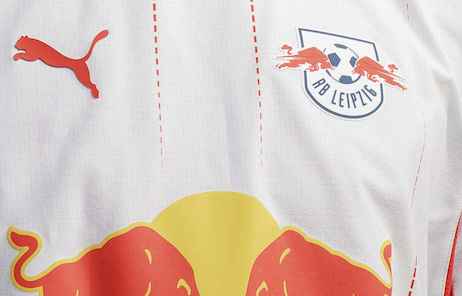
Red Bull’s Forward Vision: Leipzig’s 2026/27 Kit, A Harbinger of Football’s Future Economy
POLICY WIRE — Leipzig, Germany — Forget next season; we’re already talking about the one after that. While most of the footballing world still frets over this season’s league standings or...

POLICY WIRE — Leipzig, Germany — Forget next season; we’re already talking about the one after that. While most of the footballing world still frets over this season’s league standings or — dare we say — what’s for dinner, RB Leipzig, the very embodiment of audacious corporate foresight in sport, has pulled back the curtain on its 2026/2027 home kit. It wasn’t merely a shirt launch, you see; it was a brazen, perfectly executed statement about the unrelenting commercial drumbeat driving the beautiful game right into our distant future.
It’s all white, this new uniform. White with thin red stripes, a nod, they say, to the LED bands gracing the Red Bull Arena’s exterior. Minimalist, yes, but undeniably slick, branded, and ready for retail well over two years before it’ll grace the actual pitch. Rômulo, the club’s Brazilian forward—a top scorer, no less—fronted the campaign. A clever choice. He’s got the flair, the market appeal, and the undeniable ability to make any piece of cloth look like it might just score you a hat-trick if you wore it right.
But consider this: who’s thinking about August 2026 when March 2024 games are still on the calendar? It’s not about the immediate. It’s about inventory cycles, pre-orders, — and priming a global fan base for continuous consumption. That Red Bull logo, prominently emblazoned, alongside Puma’s, isn’t just on a shirt. It’s on a walking, talking billboard, parading an aspirational lifestyle brand across continents.
“We don’t just dress our athletes; we’re outfitting aspirations for a generation,” remarked Oliver Mintzlaff, RB Leipzig’s CEO, perhaps a little too smoothly, earlier today. “Rômulo represents the global dynamism — and electrifying pace our brand stands for. This isn’t just about a season’s jersey; it’s about connecting with fans – from Belo Horizonte to bustling Karachi – who share our hunger for innovation and success.” It’s a sentiment carefully honed, echoing Red Bull’s broader strategy of cultivating brand loyalty that transcends geographical and sporting boundaries. They’re selling a dream, packaged neatly in performance polyester.
And those fans in Karachi? Or Lahore, or Islamabad? Don’t for a moment think clubs like Leipzig aren’t eyeing them. While the established European giants still dominate, the growth trajectories for football viewership and merchandise sales in places like South Asia are nothing short of explosive. You’ve got a massive youth population, burgeoning middle classes, — and increasingly accessible digital platforms. For a brand like Red Bull, unencumbered by decades of tradition but boasting unparalleled marketing muscle, it’s fertile ground.
The global sports apparel market, according to data from Statista, is projected to surge past $260 billion by 2028. An almost impossible figure, until you see kits from years down the line already being modeled. These aren’t mere uniforms; they’re critical revenue streams, carefully cultivated across multiple seasons simultaneously. And it’s how they fund the multi-million-dollar transfers that keep the whole, often unsustainable, spectacle going.
📄 POLICY WIRE WHITEPAPER PUBLISHED: PAKISTAN'S NATIONAL SECURITY POLICY PRIORITIES
👉 READ BY CLICKING HERE“It’s a commercial imperative, plain — and simple,” offered Dr. Klaus Richter, an independent sports economist at Humboldt University, with a knowing shrug. “Clubs used to unveil kits a few weeks before the season kicked off. Now? They’re forecasting trends — and monetizing anticipation years out. That’s because the margins on traditional revenue like ticket sales or TV rights? They’re getting tighter. But brand merchandising – that’s a constant, profitable tap if you manage it right.” Because, let’s face it, they’ve perfected the art of making you want what you didn’t even know you needed, well before you needed it.
What This Means
This early kit launch isn’t a curiosity; it’s a cold, hard indicator of football’s accelerating commercial clock. Clubs aren’t just sporting institutions anymore; they’re multinational brands, and their jerseys are product lines managed with the same meticulousness as a new iPhone. For RB Leipzig, a club frequently accused by traditionalists of lacking ‘soul’ because of its corporate origins, this strategy makes perfect sense. They’re playing the long game, using advanced marketing to cultivate global brand equity without relying on inherited, generation-spanning local loyalty.
Economically, it underscores the critical shift away from localized revenue toward a globally diversified portfolio. Merchandising, broadcast rights to emerging markets – this is where the serious money’s made now. A fresh kit is just the visible tip of an enormous commercial iceberg. Politically, this trend sees national and local identities in sport being diluted, or at least reinterpreted, through a corporate lens. It’s not just Germany’s Leipzig, it’s ‘Red Bull’s Leipzig,’ a global entity vying for space in the minds (and wallets) of football consumers from Dhaka to Denver.
This relentless push, previewing kits years in advance, tells us everything about modern football’s focus. It’s less about the muddy pitch and more about the meticulously sculpted narrative, the sleek product launch, and the omnipresent brand. It’s football, redesigned by commerce, always several seasons ahead of the curve.