


Referee Roulette: Sunderland’s Plea Falters, But Fortune Favors the Resilient
POLICY WIRE — London, UK — In the cutthroat crucible of English football, where a split-second decision can unravel months of strategic planning, sometimes fairness — or even just logical consistency...

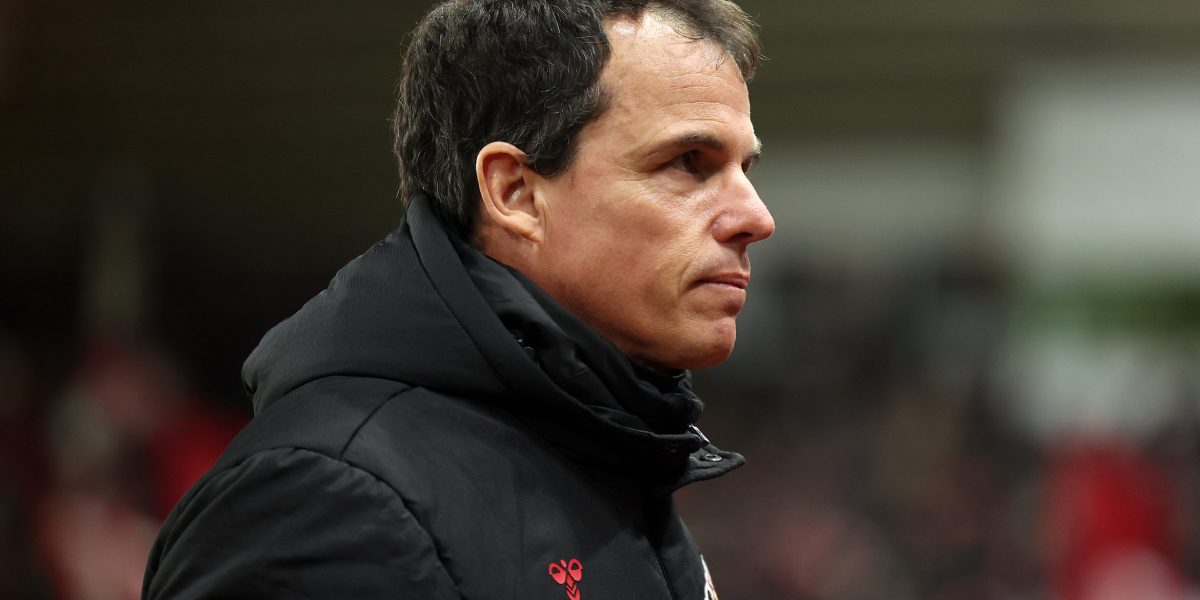
POLICY WIRE — London, UK — In the cutthroat crucible of English football, where a split-second decision can unravel months of strategic planning, sometimes fairness — or even just logical consistency — proves an elusive ghost. It’s a bitter truth Sunderland’s boss, Regis Le Bris, is chewing on this week. His earnest plea to overturn defender Dan Ballard’s controversial red card for an alleged ‘hair pull’ was, to absolutely no one’s great surprise, summarily tossed out.
It was a proper dust-up last Saturday, wasn’t it? Ballard, in the thick of things against Wolves, got pinged for something the rulebook, in its infinite wisdom, considers gross misconduct: tugging someone’s coiffure. A hair pull. Think about that for a second. In a sport renowned for crunching tackles and shirt-tugs galore, a misplaced hand brushing an opponent’s long locks can banish you from the field, and then some. Ballard now gets a three-match vacation from the pitch, effectively ending his season. A real bummer.
Le Bris, naturally, wasn’t just disappointed; he was fuming, even if he tried to temper it for the cameras. “Yeah, we’re incredibly let down by this,” he remarked, the weariness evident in his voice. “Because the situation itself? It was just blurry, wasn’t it? The Premier League’s all about raw physicality, about duels, sheer intensity. I reckon Ballard was just trying to grab a bit of shirt in that tackle. Unfortunately, long hair got snagged. Pure accident, not malicious. But rules are rules, I get it. Still, the interpretation feels… wobbly.” It’s the kind of comment that hangs heavy in the air, hinting at a deeper frustration with the arbitrary nature of high-stakes officiating.
Because ultimately, when the suits in a committee room decide a player’s fate based on freeze-frames, the visceral reality of a fast-paced game often gets lost. But here’s the kicker, the classic football narrative twist: this forced absence creates space. Space for others to step into the glare, prove their mettle, perhaps even surprise everyone. Lutsharel Geertruida, a utility player, looks like the immediate beneficiary. “It’s absolutely an opportunity,” Le Bris admitted, trying to spin straw into gold. “We’ve seen different tactics this season. He’s so adaptable, kinda like Trai [Hume]. It’s priceless for a manager, having someone who can slot in as midfielder, centre-back, right-back. He’s been solid, but then the competition for spots? Always fierce.”
Yet, the game always offers its own peculiar brand of redemption. As one door slams shut for Ballard, a couple of others creak open for Sunderland. Just in time for their showdown with Manchester United, no less. Bertrand Traore and Nelson Angulo, two names that have been missing from the team sheet lately, are apparently back in the fold. “Nope, everyone’s fine now,” Le Bris chirped, a genuine smile this time, referring to the fresh bill of health. “Only Dan and Romaine [Mundle] are out. Everyone else? Good to go.” It’s a classic sporting paradox, isn’t it? One door closes, another couple of crucial ones swing wide.
📄 POLICY WIRE WHITEPAPER PUBLISHED: PAKISTAN'S NATIONAL SECURITY POLICY PRIORITIES
👉 READ BY CLICKING HEREStill, the league’s official stance rarely budges. A spokesperson for the Football Association, speaking on condition of anonymity due to the sensitivity of specific disciplinary reviews, often reflects on the rigorous process. “Our panels are comprised of independent experts who review every appeal meticulously. The intent of the player, while sometimes difficult to ascertain, is secondary to the observable action and its impact within the Laws of the Game. It’s never a snap decision; it involves detailed consideration of all available angles and precedents.” It doesn’t soften the blow for the clubs, but it reinforces the impression of an immovable judicial edifice. And don’t imagine that such controversies play out in a vacuum; the Premier League’s global audience, from Manchester pubs to packed cafés in Karachi, dissects these calls with an almost surgical precision, its economic impact felt worldwide.
Indeed, the rarity of successful appeals speaks volumes. Over the last five seasons, fewer than 15% of red card appeals in the Premier League have resulted in the decision being overturned, according to data compiled by Opta. That’s a grim batting average for any club hoping for leniency.
What This Means
The failure of Sunderland’s appeal against Dan Ballard’s red card isn’t merely a footballing footnote; it’s a stark reminder of the often-unyielding machinery of sporting governance. It means that despite the rhetoric around player welfare and competitive integrity, the rules — and their interpretations by a relatively static body of arbiters — frequently take precedence over a more nuanced understanding of match dynamics. For clubs like Sunderland, navigating the financially demanding landscape of English football, such suspensions aren’t just tactical inconveniences; they’re direct hits to squad depth and potentially, economic performance. A key player’s absence for three games, especially towards the season’s end, can shift momentum, impact broadcast revenues, and even influence sponsorship deals — a harsh reality felt keenly, even by fans far beyond England’s borders. The league’s rigid adherence to its disciplinary code, while aimed at consistency, often feels like a stone wall to those on the receiving end. The subtle interplay between the perceived fairness of decisions and the passionate, often vocal, reactions of a global fanbase, underscores the Premiership’s reach. it places an uncomfortable spotlight on the power dynamic between the administrative bodies and the very athletes whose performances drive the industry. What constitutes a foul, after all, can become a philosophical debate with very real, cash-strapped consequences.
This episode, messy and frustrating as it’s, speaks to the daily grind of lower-table clubs—forever trying to scrape points together, often battling not just the opposition but the vagaries of officialdom. Le Bris, a pragmatist at heart, will simply have to regroup, rethink. Sunderland will have to push on, making do with what they’ve got, because that’s the deal. Always. Sometimes you get an appeal rejected. And sometimes, you get your stars back, ready for battle. Life in football, just like in politics, rarely gives you a clean win; it’s always about managing the mess. Economies and ethics of sport clash.