

West Bengal’s Bloody Aftermath: Victory Celebration Curtailed by Political Assassination
POLICY WIRE — Kolkata, India — The confetti hadn’t even settled. The euphoria, still thick in the West Bengal air for the Bharatiya Janata Party (BJP) after their groundbreaking election...

POLICY WIRE — Kolkata, India — The confetti hadn’t even settled. The euphoria, still thick in the West Bengal air for the Bharatiya Janata Party (BJP) after their groundbreaking election triumph, dissolved with a sickening abruptness this week. Days after seizing a historic mandate in the eastern state, a chilling assassination has ripped through the celebratory veneer, starkly reminding everyone that in India’s volatile political arena, victory often comes laced with peril. Nobody, it seems, gets to just win here; they’ve got to fight for it—and sometimes die for it.
Chandranath Rath, forty-one, a trusted lieutenant to West Bengal’s firebrand BJP chief Suvendu Adhikari, met his end on a motorbike ambush, police confirm. Gunmen, shadowy figures darting through the bustling byways, turned what should’ve been a moment of quiet reflection—or perhaps jubilant planning for new power—into a gruesome spectacle. It’s a savage punctuation mark on an election season that promised a new chapter, but now feels more like a continuation of a particularly brutal narrative.
This wasn’t just some random street crime, mind you. Rath was plugged in. Deeply. His affiliation put a target squarely on his back, a target now cruelly realized. The message, if one needed decoding, is simple: even in victory, dissent isn’t tolerated, and allegiances are paid for in blood. Because political loyalties in this corner of the world run hotter than a summer afternoon, they don’t just cool off after a ballot count.
Prime Minister Narendra Modi’s Hindu-nationalist BJP, the architects of this unprecedented local coup, had been preening. And why wouldn’t they be? Their hard-won success in West Bengal marks their first ever outright state victory, a massive step in their ‘Look East’ policy, bringing a vital new territory into the fold of the saffron wave that’s been washing over India. According to official tallies, the BJP secured an astonishing 207 of the 294 assembly seats—a seismic shift for a state long dominated by other political players. But this fresh spilled blood curdles that taste of triumph.
“This isn’t politics; it’s barbarism,” declared a visibly shaken Suvendu Adhikari in a terse statement to reporters. “They think they can silence the will of the people with bullets, but they’re sorely mistaken. We won’t back down. Our victory is just the start.” His voice, usually booming with political bravado, was clipped, tight with a mixture of anger and grim determination. It’s the kind of sound you hear from a man who knows this is just the opening volley.
Meanwhile, Prime Minister Modi, ever the statesman even when his party workers are under fire, issued a broader call for calm. “Democracy demands respect. For all its imperfections, it’s the bedrock of our great nation. Violence, whatever its guise, has no place. We must condemn it unequivocally and ensure justice prevails.” A textbook response, perhaps, but one heavy with the weight of expectation on a government now tasked with securing a potentially restive state.
What This Means
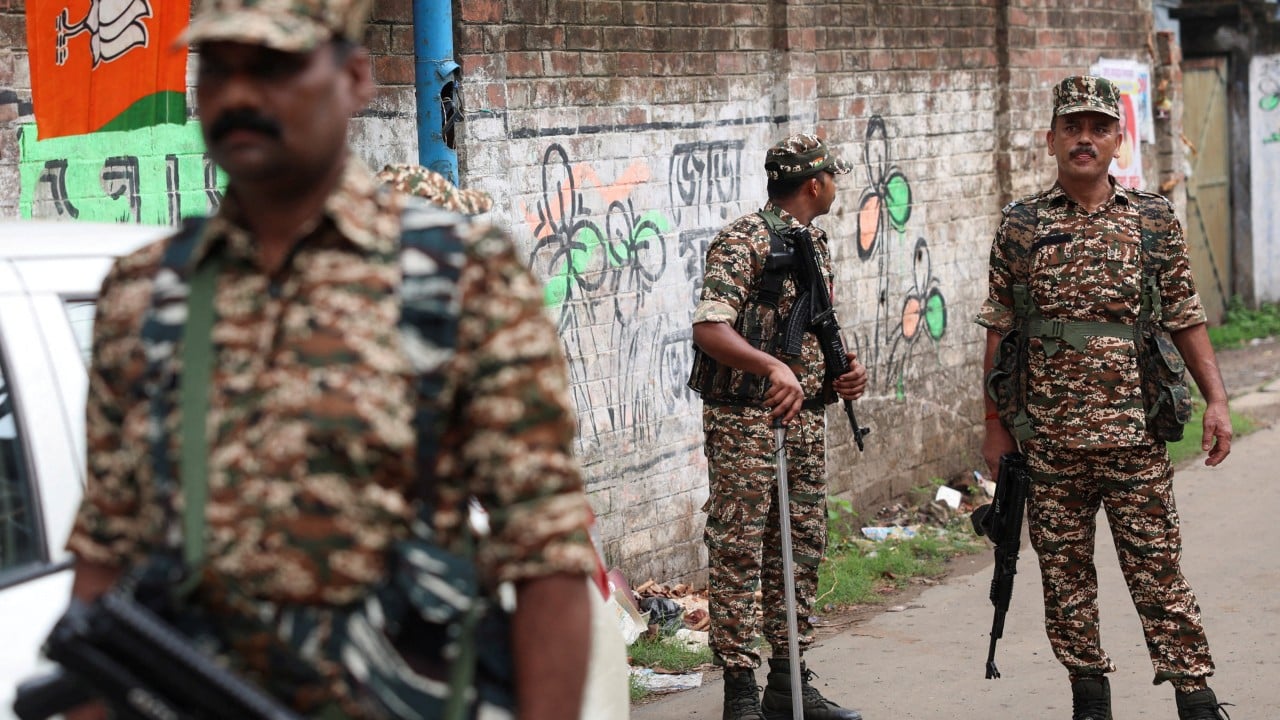
The assassination of Chandranath Rath, immediately post-election, isn’t just a local tragedy; it’s a political tremor with wider implications. For starters, it pours a thick layer of cement on the already hot bed of political violence that plagues West Bengal, famous for its intense, sometimes deadly, electoral skirmishes. It makes folks question whether this isn’t merely opposition flexing muscles but rather an embedded, ugly culture of political vendetta that transcends election cycles. It means the BJP’s celebratory high will quickly morph into a security headache, forcing them to commit significant resources—both political and physical—to maintain order and protect their newly acquired turf.
Economically, this sort of instability rarely bodes well. Who’s going to invest heavily in a state where political loyalties can get you killed days after an election? It stunts growth. It scares away capital. This isn’t just about jobs, either. It’s about trust, or the complete lack thereof.
And consider the regional ripple effects. West Bengal shares a porous, complex border with Bangladesh, a predominantly Muslim nation. India’s strong swing towards Hindu nationalism, and its increasingly assertive political style, is watched with a certain degree of apprehension in Dhaka and other Muslim-majority capitals across South Asia. The perception of increased polarization, driven by such acts of violence, fuels narratives that aren’t conducive to regional harmony or stability. Any spike in internal Indian tensions, especially along religious or political fault lines, echoes across the region. And sometimes, that echo bounces right back. It’s not a pretty prospect. The next few months, one suspects, will determine if West Bengal can pivot from victory’s sorrow to lasting stability, or if it’s condemned to another grim cycle of partisan payback. We’ll be watching. We always are.