


When Winter Bites: The Hidden Cruelty of Cold Snaps and Rising Domestic Tensions
POLICY WIRE — Washington D.C. — While news cycles fixate on grand geopolitical shifts and economic machinations, a colder, more insidious crisis often goes unseen. It’s the kind that plays out behind...

POLICY WIRE — Washington D.C. — While news cycles fixate on grand geopolitical shifts and economic machinations, a colder, more insidious crisis often goes unseen. It’s the kind that plays out behind frosted windows, far from public squares. Winter, with its romanticized imagery of hearths and togetherness, often transforms homes into psychological pressure chambers. For millions, particularly in vulnerable households, plummeting temperatures aren’t just an inconvenience; they’re a catalyst for escalating conflict, turning perceived refuge into a private torment.
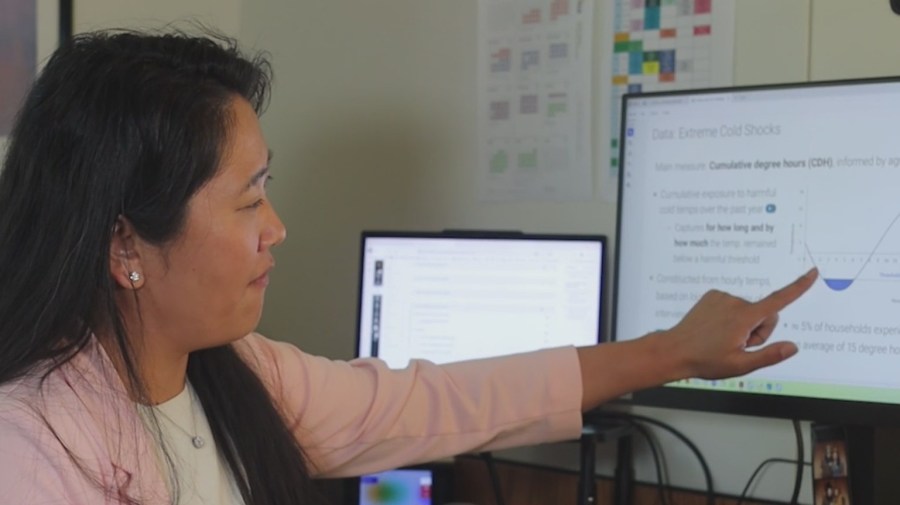
It’s an observation that feels almost too stark to utter aloud, a correlation between the mercury’s drop and the rise of human cruelty. Dr. Eleanor Vance, a veteran sociologist — and researcher at Wake Forest University, doesn’t mince words. “It’s not as simple as blaming the weather,” she stated in a recent policy briefing—her voice calm, academic, yet laced with a weary recognition of grim realities. “But prolonged cold snaps undeniably create an environment ripe for exacerbating pre-existing tensions. We see it time and again: increased confinement, heightened economic strain from heating costs, a natural curtailment of outdoor activities that otherwise serve as pressure valves. And suddenly, what was manageable becomes volatile.”
But it’s not merely anecdotal. Hard numbers, dispassionately compiled, back this uncomfortable truth. Domestic disturbance calls to emergency services typically spike by 15-20% during sustained periods of extreme weather, according to aggregated municipal police reports from multiple cold-weather cities in the upper Midwest and Northeast, where winters can be particularly brutal. This isn’t just about shivering; it’s about the erosion of coping mechanisms.
Because financial stress is amplified. You’ve got to heat the house. You can’t necessarily work outside. Folks are trapped. Children are out of school, often with less structure. And the whole domestic ecosystem shrinks. It’s an economy of dwindling patience, where small frustrations snowball into full-blown crises.
This isn’t a problem confined to one latitude or longitude, of course. It’s a human failing, magnified by circumstance. Consider, for instance, parts of South Asia—Afghanistan or the mountainous regions of northern Pakistan—where brutal winters are a given, often compounded by precarious housing, energy shortages, and entrenched patriarchal social structures that offer few avenues for escape for victims. Cultural stigmas around discussing domestic issues often ensure that even in times of extreme distress, reporting goes tragically low. We’re talking about regions where survival is often a daily struggle; adding interpersonal violence to that equation can make conditions intolerable. Efforts toward regional stability, while vital for geopolitical reasons, often overlook these foundational social issues.
Anya Sharma, Director of the National Women’s Aid Coalition, a prominent advocacy group, speaks from the front lines. “Our shelters operate at capacity almost year-round,” she told Policy Wire. “But winter’s an entirely different beast. Demand for beds goes through the roof. It’s not just about providing warmth and a roof over one’s head; it’s about breaking the cycle of forced proximity that fuels so much of this trauma. The system’s strained, funds are finite, — and the need keeps climbing with each mercury dip.”
📄 POLICY WIRE WHITEPAPER PUBLISHED: PAKISTAN'S NATIONAL SECURITY POLICY PRIORITIES
👉 READ BY CLICKING HEREAnd what’s unsettling is the often-invisible nature of it all. There’s no natural disaster headline for marital discord or parental abuse escalating due to a week of ice storms. It’s quiet. It’s personal. It’s a silent emergency, leaving scars both seen — and unseen. Law enforcement and social service agencies are often left to manage the fallout with stretched resources, treating symptoms without always being able to address the deeper, climate-influenced stressors.
But addressing these dynamics requires more than just better heaters or subsidized fuel, although those certainly help. It demands a holistic re-evaluation of how communities, and policymakers, think about ‘shelter’—not just from the elements, but from each other.
What This Means
The policy implications of this often-ignored connection are broad. Firstly, recognizing extreme weather as a direct amplifier of domestic violence mandates proactive policy adjustments, not just reactive responses. This isn’t a one-off anomaly; it’s a recurring pattern. Economic relief programs during severe weather shouldn’t just focus on property damage but must explicitly factor in human welfare and potential increases in social services demand. Secondly, mental health support and counseling—often cut first in budget squeezes—become especially critical during prolonged confinement. There’s a tangible economic cost to societal breakdowns, with healthcare expenditures, law enforcement hours, and lost productivity all mounting. From a geopolitical standpoint, regions grappling with instability and already fragile social safety nets, like certain areas of Pakistan or the wider Muslim world, face even greater challenges in protecting their most vulnerable citizens during harsh environmental conditions. The silence surrounding this issue isn’t benign; it’s complicit in allowing an avoidable escalation of suffering within our most intimate spaces.