

The Ghost of Glory: Preakness Wilts as Derby Champ Opts Out
POLICY WIRE — Baltimore, MD — Another spring, another Preakness Stakes on the horizon, but for some, the race’s grandeur has calcified into an unsettling quiet. Remember when the second leg of...

POLICY WIRE — Baltimore, MD — Another spring, another Preakness Stakes on the horizon, but for some, the race’s grandeur has calcified into an unsettling quiet. Remember when the second leg of racing’s most coveted prize wasn’t a question mark but an absolute certainty? Well, those days? They’re gathering dust, big time. This year, the once-unthinkable has become utterly predictable: Kentucky Derby winner Golden Tempo isn’t running.
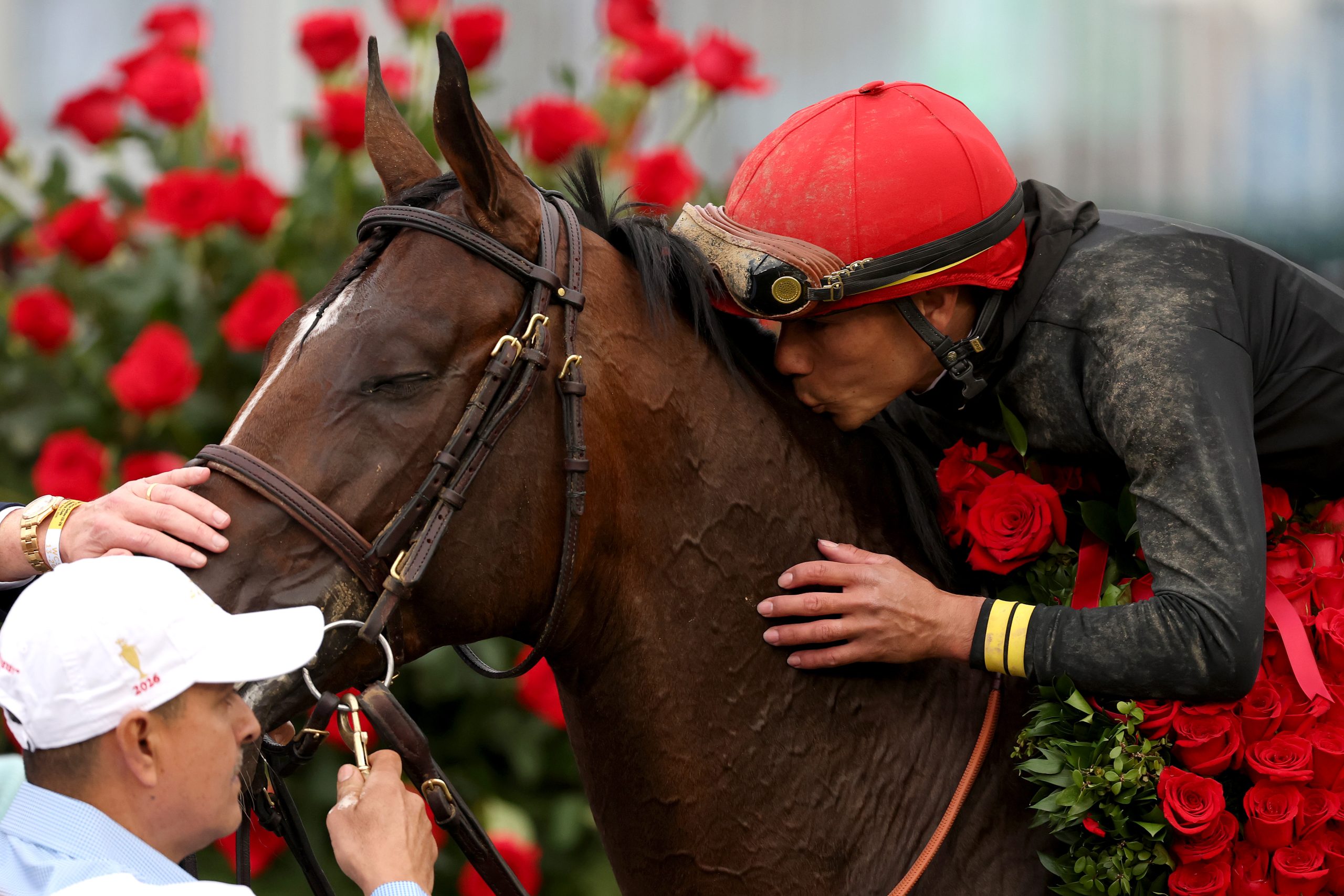
It’s a decision, trainer Cherie DeVaux announced earlier this week, that didn’t just prune the field; it lobbed a hand grenade into an already fragile institution. Sure, last Saturday’s Derby provided a burst of mainstream oxygen—a feel-good story about DeVaux herself, the first woman trainer to win it all. But that fleeting glow has faded faster than a politician’s promise. And now? The Preakness, once a standalone titan of American sports, looks less like a jewel and more like an ornament nobody bothers to polish anymore.
Many folks might wonder if we’re just getting soft, but trainers aren’t just being precious. Doug O’Neill, a two-time Derby victor, put it plainly, years back: “Just the way the sport has evolved, to try squeeze three tough races into five weeks is just not realistic.” That sentiment echoes louder than ever. We’re talking about thoroughbreds, peak athletes, not disposable assets. A hard run at Churchill Downs often means a serious recovery period. Two weeks? It’s often barely enough time for the lactic acid to clear, let alone for bone — and sinew to fully mend.
Blame gets tossed around like hay in a paddock. Some point fingers at the breeding industry, hyper-focused on raw speed over enduring stamina. Others cite modern medication protocols—like Lasix or Bute—which, while easing discomfort, might mask underlying fragilities, preventing the “natural selection” of hardier stock. But ultimately, for owners staring down colossal stud deal contracts, the risk of pushing a champion through another gruelling, early race simply doesn’t add up to the potential reward. You get one shot with a horse like Golden Tempo, — and nobody wants to be the one who broke the lemon squeezer. DeVaux put it to us quite succinctly. “My job isn’t to chase headlines; it’s to protect Golden Tempo. That means prioritizing her longevity, even if it means missing a historic moment. She’s too special for a two-week turnaround.”
This isn’t a new problem. This is a five-alarm fire. In fact, racing statistics show that 60% of the last five Kentucky Derby champions have opted out of the Preakness—a statistic that screams louder than any fan’s frustration. What we’re seeing is a fundamental disconnect. The sport’s traditional structure collides head-on with modern equine physiology — and economic reality. It’s a clash that echoes far beyond America’s dusty racetracks, touching even on how older equestrian traditions, say, in parts of the Muslim world or South Asia, might value lineage and endurance differently than the West’s almost singular obsession with breakneck speed and commercial performance.
Because let’s be honest, without the Derby winner, the Preakness morphs into just another big-money horse race. NBC will still air it, fulfilling its contractual obligation. There’ll still be a hefty $1.2 million purse. The gleaming Woodlawn Vase will find a new home. But it won’t capture the wider imagination. It won’t draw in those casual viewers who tuned in for the narrative of Golden Tempo, the barrier-breaking mare and her trailblazing trainer. That’s the cold, hard truth of its current predicament.
When caretakers—the very people who spend every waking hour with these magnificent creatures—are consistently stating that running back so quickly just isn’t feasible, the powers-that-be in racing have a choice. Listen — and adapt, or watch their iconic events dwindle into obscurity. They’ve reacted before. Back in ’85, when Derby winner Spend A Buck skipped the Preakness for a lucrative bonus at the Jersey Derby, a $5 million Triple Crown bonus was engineered to keep things together. It bought time. Now? Time’s run out, again.
What This Means
This isn’t just about a horse taking a pass; it’s about a sport confronting its own stubborn refusal to change. The entrenched interests—Pimlico, Belmont, Churchill Downs—are locked in a dance that benefits few and increasingly alienates many. The commercial imperatives for breeders — and owners have evolved. A shot at the Triple Crown is still prestigious, sure, but the brutal calculus of speed versus long-term asset value has decisively shifted towards caution. This decision by Golden Tempo’s connections effectively deflates a critical revenue stream for the Preakness, impacting everything from TV rights value (negotiations for which are brewing for 2027) to trackside attendance and gambling revenue.
The immediate political implication is clear: the stakeholders need to come to a definitive agreement on a new calendar. Maryland’s ownership of Pimlico adds another layer of public scrutiny — and state-level political maneuvering. You can bet legislative bodies — and economic development committees are watching. If they don’t, expect to see the Triple Crown fragment even further, diluted into a series of impressive but ultimately disconnected races. This institutional paralysis in horse racing reflects a broader phenomenon seen in various sectors, where an attachment to historical norms impedes adaptation to contemporary economic realities—a free market gambit that ultimately damages the very foundations it aims to preserve.
Because if they can’t hash out a compromise—say, extending the interval between the Derby and Preakness, and consequently pushing the Belmont back—this proud American institution faces a future where its biggest names routinely bypass its marquee events. And nobody’s gonna fork over big bucks for something that just doesn’t matter like it used to. It’s that simple, that stark.