


The Collateral Damage of College Athletics’ Free Market Gambit
POLICY WIRE — Cincinnati, Ohio — The collegiate athletic landscape, once a bastion of amateurism and local loyalties, now operates with the unforgiving velocity of a burgeoning, somewhat unregulated,...

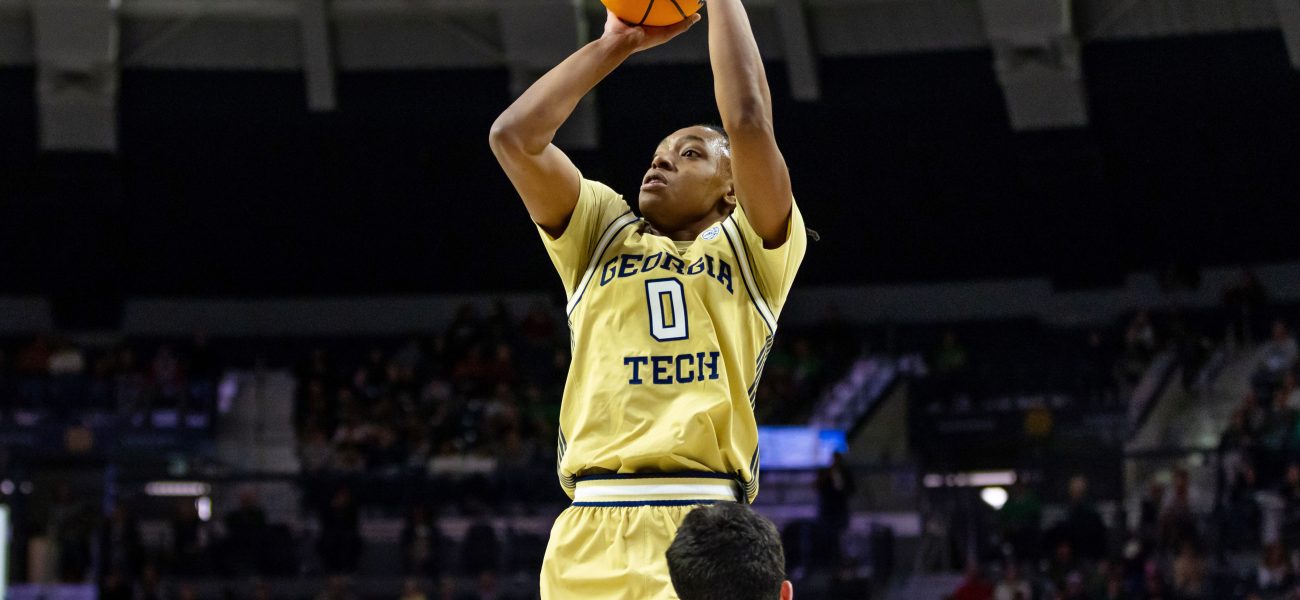
POLICY WIRE — Cincinnati, Ohio — The collegiate athletic landscape, once a bastion of amateurism and local loyalties, now operates with the unforgiving velocity of a burgeoning, somewhat unregulated, global talent market. Don’t let the cheers — and mascots fool you; this is serious business. And in this cutthroat environment, the commitment of Akai Fleming, a fresh-faced guard from Georgia Tech, to the University of Cincinnati isn’t just a sports footnote. It’s a seismic tremor, illustrating the profound policy shifts, economic pressures, and — dare I say — thinly veiled desperation defining higher education’s latest financial frontier.
Fleming, a 6-foot-4 prospect, isn’t just another student with a new team; he’s a highly liquid asset, part of a sprawling transactional system that mirrors global labor flows. After a season averaging 10.4 points, 3.2 rebounds, — and 1.3 assists, he simply decided his market value lay elsewhere. And with him goes the investment, the institutional continuity, and the emotional capital of one program, to be redeployed at another. It’s efficiency, yes, but for whom, exactly? And what does it do to the spirit of the game, or the academy itself?
New Cincinnati head coach Jerrod Calhoun, fresh off a successful 55-15 stint at Utah State, isn’t just building a team; he’s assembling a venture-backed startup roster. Fleming marks the Bearcats’ eleventh acquisition via the NCAA transfer portal under Calhoun’s nascent tenure. Eleventh. It’s a mad dash for talent, an arms race that has some administrators quietly questioning the long-term sustainability. They’re talking about brand equity — and fan engagement, of course, but it’s really about staying solvent.
“We fully understand the athlete’s right to pursue their best interests—it’s foundational to modern sports labor, isn’t it?” mused Dr. Evelyn Reed, who purportedly heads the NCAA’s Committee on Collegiate Athlete Welfare. “But the velocity, the sheer transactional nature of this portal system, does raise legitimate concerns about institutional stability. We’re grappling with a rapid-fire talent drain and rebuild cycle that, frankly, can destabilize academic planning and even broader university ecosystems.” Her voice, while carefully modulated, carried the weary tone of someone perpetually trying to cap a gushing geyser with a thimble.
The implications here stretch far beyond the basketball court. This hyper-mobility isn’t unique to American collegiate sports. One could draw parallels, albeit with far graver consequences, to the intellectual brain drain experienced by nations like Pakistan, where highly educated professionals often seek more stable, lucrative environments abroad. Policies in one sphere—like the loosening of NCAA transfer rules—can have cascading effects, reshaping economies, talent distribution, and national identity, much like immigration policies impact the global flow of doctors or engineers. And that’s no accident; it’s policy, or lack thereof.
Because ultimately, it’s about the bottom line. Coaches are hired to win. Winning brings alumni dollars. Alumni dollars fund the athletic department and, occasionally, the broader university. This is capitalism in its rawest, most exhilarating, — and perhaps most destructive form. These athletes—they’re free agents, and every year their value is reassessed.
📄 POLICY WIRE WHITEPAPER PUBLISHED: PAKISTAN'S NATIONAL SECURITY POLICY PRIORITIES
👉 READ BY CLICKING HERE“Our strategy is necessarily agile, opportunistic even,” remarked Dr. Benjamin Carver, Provost of the University of Cincinnati, his statement echoing the pragmatism required in this new era. “We have to compete for the best talent, both on the court — and in the classroom. This means our recruitment processes are as sophisticated as those in any major industry, constantly adapting to market forces and competitor moves. It’s about securing assets for our future success, not just today’s game.” He didn’t say it explicitly, but one gets the impression he’s also talking about endowments and optics.
This dynamic, a chaotic beauty for some, a terrifying instability for others, is quantifiably accelerating. According to an analysis by On3.com, the NCAA’s transfer portal saw over 1,700 men’s basketball players declare their intent to transfer in the 2023-24 season alone, a 15% increase from the prior year. This isn’t an anomaly; it’s the new normal.
What This Means
The Akai Fleming transfer isn’t just about hoops; it’s a symptom of a larger geopolitical and economic struggle playing out within the NCAA’s structure. The liberalized transfer rules, coupled with Name, Image, and Likeness (NIL) collectives, have created a free market that—while empowering individual athletes with unprecedented agency—also fosters instability. Institutions now act like corporations in a highly competitive, nearly deregulated industry, prioritizing rapid roster turnover over long-term athlete development or even, arguably, educational stability. The political implication is clear: the NCAA, once an authoritarian governing body, has ceded much of its regulatory power, leading to a kind of controlled anarchy. Economically, smaller programs struggle to retain talent against larger, wealthier universities, exacerbating existing disparities. It creates a ‘winner-take-all’ environment that, like many aspects of a completely unfettered market, concentrates power and resources in fewer hands. It’s the kind of policy shift that sparks broader free speech debates or concerns over economic exploitation. Everyone’s vying for a piece of the pie, but the rules are still being written, often in real-time, by players themselves.
This evolving reality demands vigilance from policy makers — and educational leaders. It’s not just a game, kid; it’s a policy playground, with real money — and real futures on the line. And the ball, frankly, keeps moving faster than anyone can keep up.