


Apple’s ‘Neo’ Gambit: Cupertino Courts the Masses, But at What Cost to Aspiration?
POLICY WIRE — Cupertino, California — For decades, the gleaming Apple logo, a bitten apple of digital aspiration, has adorned devices largely beyond the financial grasp of vast swathes of humanity....

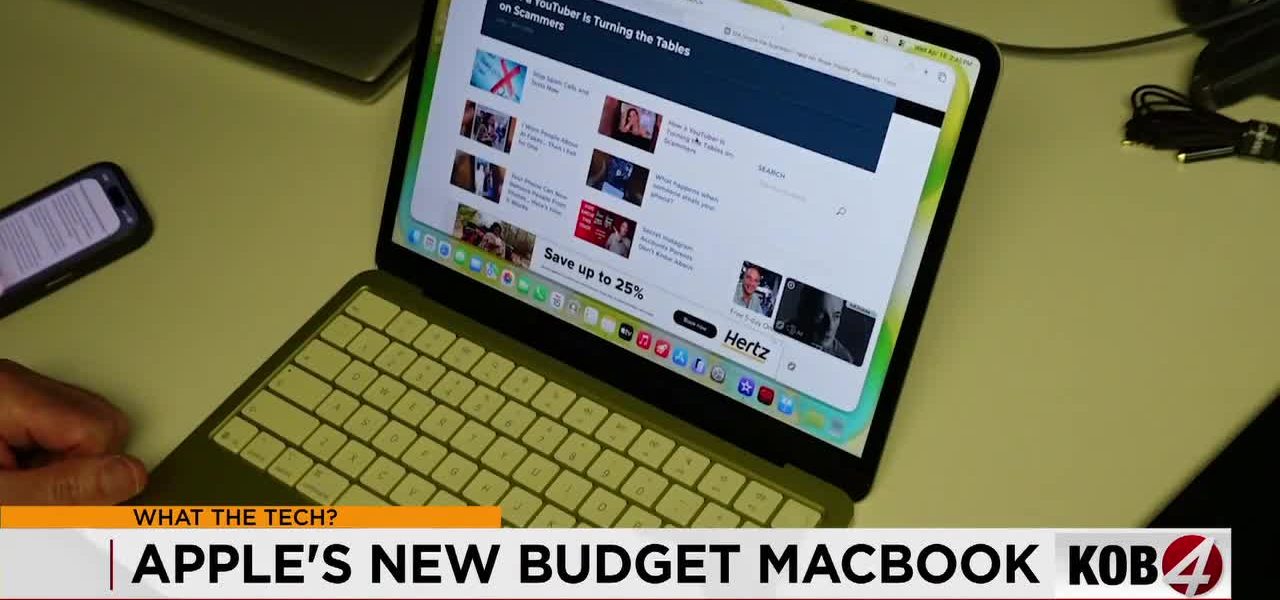
POLICY WIRE — Cupertino, California — For decades, the gleaming Apple logo, a bitten apple of digital aspiration, has adorned devices largely beyond the financial grasp of vast swathes of humanity. It wasn’t merely a computer; it was a cultural artifact, a status signifier — a quiet declaration of economic solvency and (some would argue) creative inclination. So, when Cupertino, that gilded valley of innovation, quietly unveiled the MacBook Neo, a machine deliberately engineered for the lean budgets of students and the fiscally cautious, it wasn’t just another product launch. It was a seismic tremor in the carefully curated edifice of Apple’s premium mystique.
This isn’t your older sibling’s MacBook Pro, nor is it the Air, slim — and sleek but still bearing a hefty price tag. The Neo, with its playful palette and compact form factor, overtly courts the generation whose digital lives are as intrinsic as breathing — but whose bank accounts often reflect the crushing realities of tuition fees and ramen diets. You’d think Apple, a firm synonymous with uncompromising, albeit costly, excellence, wouldn’t stoop to such pragmatism. Yet, here we’re: a “budget” MacBook, a phrase that until recently seemed an oxymoron of epic proportions.
At its core, the Neo is a calculated compromise. It looks the part, possessing that unmistakable Apple design language that’s become a global shorthand for elegance. But beneath the anodized aluminum and vibrant chassis lies a machine pared back for purpose, not for power-hungry pursuits. It’s got 8 gigabytes of RAM — a figure that elicits a collective shrug, if not a subtle wince, from seasoned tech aficionados. For the budding graphic designer or the aspiring film editor, this isn’t merely a limitation; it’s a non-starter. They’ll find themselves wrestling with frustrating lags and glacial render times, discovering all too quickly that saving money upfront can sometimes cost you dearly in productivity down the line. It’s a cruel lesson, isn’t it?
But that’s not the target market, is it? The Neo hums along contentedly handling essays, streaming lecture videos, engaging in Zoom calls, and endless web browsing. For the overwhelming majority of high schoolers and undergraduates, these are the digital bread and butter, the daily grind. “Our vision has always been to empower everyone with powerful tools,” shot back Deirdre O’Brien, Apple’s Senior VP of Retail + People, during a recent media briefing. “The Neo isn’t just a device; it’s an on-ramp to creativity and connection for a generation that demands both accessibility and aspiration.” It’s an interesting framing: not a lesser MacBook, but a gateway device.
Still, the very existence of a budget MacBook forces a recalibration of perceptions, particularly in markets where Apple’s devices have long been out of reach for the mainstream. Think of Karachi’s bustling tech bazaars, or the burgeoning university campuses across Lahore — and Islamabad. In these locales, owning an Apple product has often been a potent symbol of elite status, a luxury item flaunted with quiet pride. This sudden accessibility, while welcome to many, does introduce a peculiar tension. Does democratizing the brand dilute its exclusive allure? Or does it merely broaden the tent, inviting more to the Cupertino carnival?
Indeed, a 2023 report by Gartner estimated that global PC shipments to the education sector grew by 8.5% year-over-year, underscoring the voracious demand for affordable, reliable student computing. This isn’t just about consumer electronics; it’s about educational equity — and economic mobility. “This move by Apple reflects a shrewd understanding of emerging markets and the burgeoning digital literacy needs,” observed Dr. Fatima Khan, Senior Tech Policy Fellow at the Global Institute for Digital Governance. “It’s not merely a product launch; it’s a strategic play for mindshare in demographics previously underserved by premium tech, particularly critical for regions like South Asia where digital access is still uneven.”
📄 POLICY WIRE WHITEPAPER PUBLISHED: PAKISTAN'S NATIONAL SECURITY POLICY PRIORITIES
👉 READ BY CLICKING HEREFor a Pakistani student, for instance, whose family might stretch their budget considerably to afford a ‘premium’ education, a more affordable MacBook could represent a tangible link to global academic and professional networks. It could be the difference between merely participating — and truly competing. But it’s a tightrope, isn’t it? The Neo’s limitations mean those pursuing specialized fields, say, architectural design or advanced programming, might still find themselves disadvantaged without the pricier, more capable machines. It’s a step, but not yet a leap, towards true digital parity.
What This Means
The MacBook Neo’s arrival signals a pivotal shift in Apple’s market strategy, moving beyond its traditional affluent demographic to court the aspiring masses. Economically, this could open up substantial new revenue streams for the tech giant in developing economies, particularly in South Asia and parts of the Muslim world, where a burgeoning youth population is hungry for technology but constrained by purchasing power. It also intensifies competition in the mid-range laptop market, forcing Windows-based manufacturers to further innovate on price and features — a boon for consumers, generally speaking.
Politically, the greater accessibility of Apple’s ecosystem, even a somewhat diluted version, could have broader implications. It might, ironically, foster a sense of inclusion in a global digital community previously perceived as exclusive. For governments struggling with digital divide issues, the presence of a globally recognized, albeit ‘budget,’ device could subtly influence policy towards technology integration in education and public services. However, it also raises questions about digital dependency on proprietary systems and the long-term impact on local tech industries. The Neo isn’t just a gadget; it’s a quiet ambassador, perhaps unwittingly reshaping economic landscapes and academic ambitions across continents. And that, you see, is far more consequential than just a new laptop.