


As ‘Hummingbird Fire’ Retreats, New Mexico Grapples with the Unseen Scars of a Fiery Future
POLICY WIRE — CATRON COUNTY, N.M. — The scent of pine resin, normally a crisp and welcome fragrance through the Gila wilderness, now carries a lingering acridity—a smoky ghost refusing to fully...

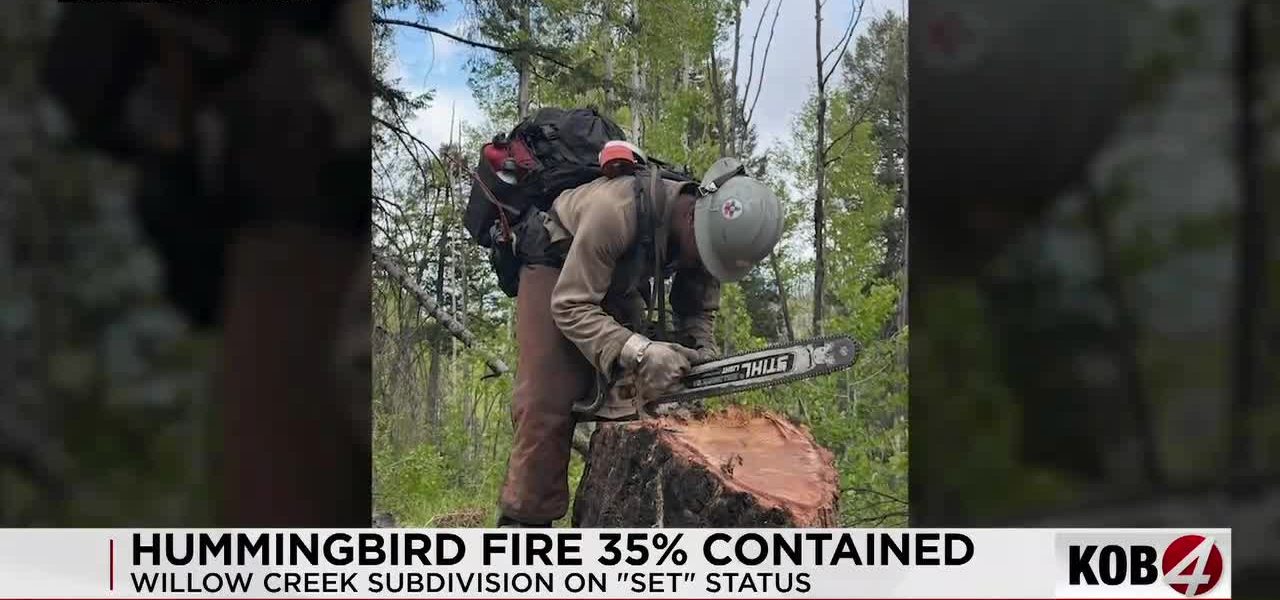
POLICY WIRE — CATRON COUNTY, N.M. — The scent of pine resin, normally a crisp and welcome fragrance through the Gila wilderness, now carries a lingering acridity—a smoky ghost refusing to fully depart. While crews have managed to wrestle a 35% containment line around the voracious Hummingbird Fire, and Catron County Sheriff’s Office has relented on outright evacuation mandates for the Willow Creek Subdivision, downgrading its status from ‘GO’ to ‘SET,’ the reprieve feels less like victory and more like a cautious, deeply precarious pause.
It’s not merely about the acreage consumed—a staggering 5,600, give or take, incinerated across an ecologically vital landscape. This isn’t just a local conflagration; it’s a symptom, a stark, fiery testament to a shifting climate regime that’s rapidly redrawing the boundaries of normalcy. For residents, the return from temporary displacement—even to a ‘set’ status, where preparedness remains paramount—isn’t an end to their ordeal, but rather an uneasy transition into a new phase of vigilance. They’re back, yes, but the landscape itself has irrevocably changed.
Sheriff Mark Lundquist, his voice raspy from days spent coordinating emergency responses, offered a nuanced perspective. “We’re not out of the woods yet, not by a long shot,” he opined, surveying the still-smoldering horizons. “But seeing families return, even to a ‘set’ status—it’s a potent reminder of what we’re fighting for. It’s about more than just homes; it’s about community fabric, strained but not broken.” Lundquist’s candid assessment underscored the psychological toll such events levy, often overlooked in the raw data of hectares and containment percentages.
And indeed, this recurring ballet of flame and ash, unfolding across New Mexico’s rugged terrain, mirrors a chilling global pattern. From the parched landscapes of rural Pakistan, battling unprecedented heatwaves and glacial lake outburst floods, to the persistent drought cycles plaguing the Horn of Africa, climate precarity isn’t a regional anomaly; it’s an omnipresent threat. The economic fallout, too, reverberates far beyond the immediate burn scar. Policy Wire has documented similar challenges in places like China, where industrial catastrophes ignite questions on their growth model, reflecting a global struggle against environmental and human-made disasters.
Dr. Aliyah Rahman, an ecological resilience specialist at the University of New Mexico, offered a starker, more dispassionate view. “A 35% containment figure, while a tactical victory, doesn’t erase the 5,600 acres scorched,” she shot back, leaning into the urgency of the moment. “This isn’t an isolated incident; it’s a symptom. The U.S. has seen its wildfire season lengthen by over two months since the 1970s, with the average annual acreage burned skyrocketing from 1.5 million to 7.8 million acres, according to the National Interagency Fire Center. We’re witnessing a systemic shift, and our response can’t remain tactical alone; it must be strategic, encompassing prevention, adaptation, and sustained ecological restoration.”
Still, the immediate focus remains on the embers, the hotspots, the relentless, back-breaking work of suppression. Firefighters, often working 16-hour shifts, face unpredictable wind shifts — and treacherous topography. Their collective effort has prevented the Hummingbird—a particularly stubborn patch, they say—from becoming an even greater catastrophe. But the quiet hum of their machinery, the steady drone of helicopters, acts as a constant reminder: the fight isn’t over. It’s simply entered a new, more manageable, yet still inherently dangerous, phase.
📄 POLICY WIRE WHITEPAPER PUBLISHED: PAKISTAN'S NATIONAL SECURITY POLICY PRIORITIES
👉 READ BY CLICKING HEREBehind the headlines, a more profound narrative unfolds: one of resource allocation, political will, and the often-unacknowledged economic hemorrhaging that accompanies these disasters. The cost of fighting wildfires in the U.S. now routinely breaches billions annually—funds that could otherwise be channeled into education, infrastructure, or even proactive climate mitigation strategies. We’re caught in a reactive loop, it seems, constantly patching rather than preventing.
What This Means
This localized battle against the Hummingbird Fire holds far-reaching implications, extending well beyond the Gila National Forest’s singed perimeter. Economically, the constant threat of wildfires decimates tourism—a cornerstone industry for many New Mexico communities—and imposes immense burdens on ranching operations and forestry. Insurance premiums skyrocket, if coverage is even available, creating ghost towns where thriving communities once stood. Politically, it exacerbates calls for increased state and federal funding for fire suppression and, more contentiously, for land management reforms. There’s a perennial debate over controlled burns versus aggressive suppression, each approach carrying its own environmental and political baggage. This incident, like countless others, will inevitably fuel that contentious discourse.
For New Mexico and the broader American West, these events aren’t just seasonal inconveniences; they’re existential threats reshaping demographics, economies, and political priorities. The slow burn of climate change manifests in immediate, violent bursts, demanding comprehensive policy shifts that acknowledge the new normal. And frankly, the policy apparatus, both state and federal, often struggles to keep pace with the accelerating velocity of these environmental calamities. It’s a game of catch-up, — and the planet, it seems, keeps moving faster.