


Beyond the Cell Block: Albuquerque’s Quiet Revolution in Female Reintegration Turns Two Decades
POLICY WIRE — ALBUQUERQUE, N.M. — In an era where penal philosophies often oscillate between punitive and performative, a quieter, more profound revolution has been unfolding in the arid landscape of...

POLICY WIRE — ALBUQUERQUE, N.M. — In an era where penal philosophies often oscillate between punitive and performative, a quieter, more profound revolution has been unfolding in the arid landscape of New Mexico for two decades. It’s not a legislative decree or a high-profile federal grant, but the persistent, often unseen work of an organization dedicated to threading a path from prison cells to paychecks for women who’ve served their time. A Peaceful Habitation, a local beacon of rehabilitation, quietly commemorates its 20th year, underscoring a stark truth: societal healing isn’t wrought by locking people away, but by carefully unlocking their potential.
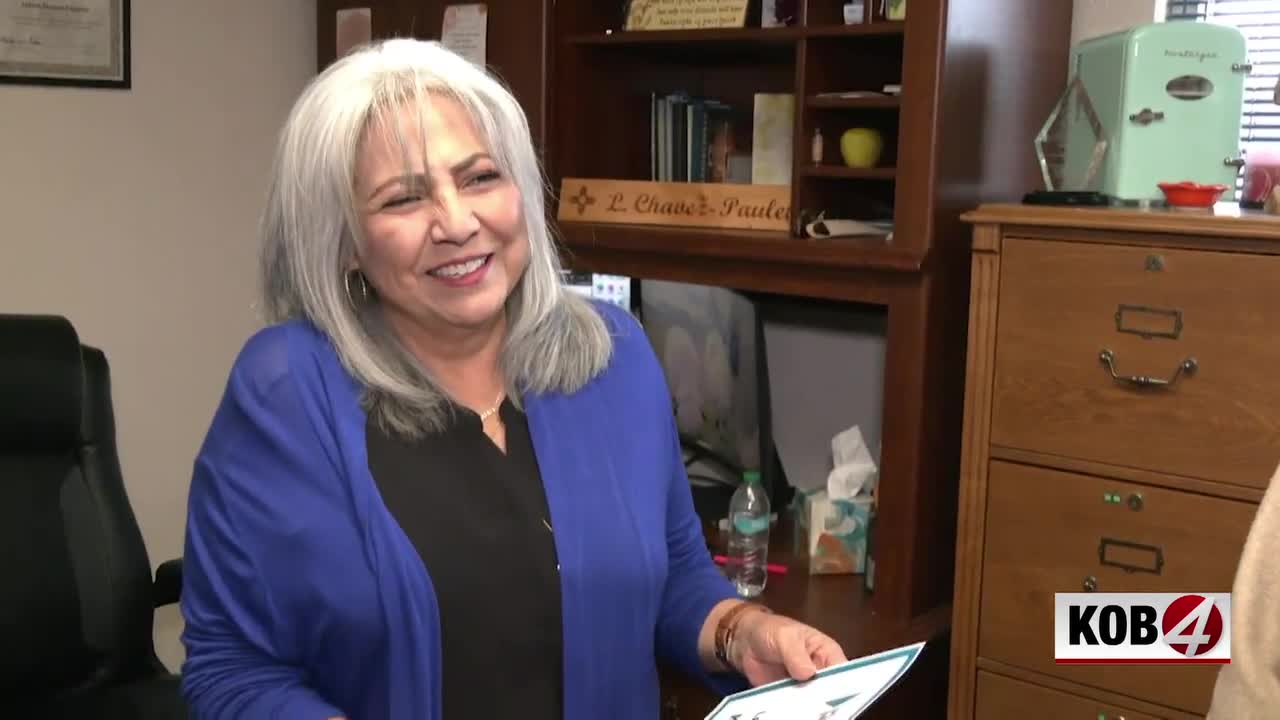
Behind the headlines of fluctuating crime rates and tough-on-crime rhetoric, the organization’s founder, Leticia Chavez-Paulette, has been constructing a durable edifice of economic self-sufficiency. Her venture isn’t just about charity; it’s an incisive intervention into the cyclical nature of incarceration, particularly for women who often face a unique confluence of systemic disadvantages post-release. They’re battling not just a criminal record, but often a fractured family unit, housing instability, and the psychological scars of their experiences. And they’re up against an employment market that, for all its rhetoric of second chances, remains stubbornly unforgiving.
“We’re not just offering a roof; we’re rebuilding an entire foundation of self-worth and capability,” Chavez-Paulette shot back during a recent anniversary event, her voice a gravelly testament to two decades of advocacy. “These women aren’t just ex-offenders; they’re mothers, sisters, potential entrepreneurs. The system, frankly, isn’t built to see that, so we had to build one that does.” Her observation cuts to the core of an often-overlooked challenge: the economic disempowerment that fuels recidivism, a vicious cycle that costs taxpayers untold millions and perpetuates human suffering.
Still, the stakes couldn’t be higher. National statistics paint a grim picture: a 2018 report by the Prison Policy Initiative indicated that formerly incarcerated women face an unemployment rate exceeding 40%, significantly higher than the general population and often surpassing that of men with similar backgrounds. It’s a gaping wound in the social fabric, one that organizations like A Peaceful Habitation diligently attempt to stitch closed, one resume, one job interview, one steady paycheck at a time.
This isn’t merely a feel-good narrative; it’s a critical component of public safety — and economic development. When women transition successfully from incarceration to employment, they don’t just cease to be a burden on the state; they become contributors. They pay taxes, support their families, — and become role models for their communities. It’s a pragmatic approach to social justice, one that understands the profound economic leverage of individual dignity. New Mexico’s correctional authorities, often stretched thin, recognize the indispensable role such initiatives play.
“The Department of Corrections can secure the perimeter, but true rehabilitation extends far beyond the prison walls,” stated Patricia Montoya, Deputy Director for New Mexico’s Division of Adult Parole and Probation, when pressed on the efficacy of community programs. “Partnerships with groups like A Peaceful Habitation are instrumental. They provide the practical scaffolding that prevents a return to old patterns – a support system that state resources alone simply can’t replicate across the board.” She’s right; the state’s fiscal realities often dictate a more reactive, rather than proactive, approach.
And it’s not just an American phenomenon. Across the globe, particularly in the Muslim world, similar challenges regarding female reintegration persist, albeit within different cultural and legal frameworks. In countries like Pakistan, for instance, women emerging from incarceration or those marginalized by societal stigmas often find themselves in an economic purgatory, battling profound social ostracism alongside an acute lack of vocational opportunities. Micro-financing initiatives and community-based vocational training programs have emerged there, too, as vital conduits for economic re-entry, echoing Chavez-Paulette’s philosophy that a skill and a steady income are often the most potent antidotes to despair and delinquency. The principles, it seems, transcend borders and belief systems: give someone a way to earn their keep, and you give them back a piece of their future.
At its core, A Peaceful Habitation embodies a long-term investment strategy in human capital. It’s not flashy; you won’t find it dominating prime-time news cycles. But its impact, quiet — and consistent, is an undeniable testament to the power of sustained, compassionate effort. It’s proof that sometimes, the most consequential policy victories are achieved not through grand pronouncements, but through tireless, ground-level work, one woman’s transformed life at a time.
What This Means
The two-decade milestone of A Peaceful Habitation isn’t just a local story; it carries significant political and economic implications that ripple far beyond Albuquerque. Politically, it spotlights the persistent failure of correctional systems nationwide to adequately address the root causes of recidivism, particularly among women. Such organizations fill a critical void, challenging policymakers to invest more aggressively in post-release support rather than solely on incarceration. Their success—or even their mere existence—serves as a constant, implicit critique of a system often geared more toward punishment than genuine rehabilitation. It suggests that a truly effective justice system can’t simply discard individuals after their sentences are served; it must actively facilitate their reintegration, lest it perpetuate a costly and socially destabilizing cycle.
Economically, the impact is profound yet frequently understated. Every formerly incarcerated woman who secures stable employment represents a tangible boost to local economies. She transitions from being a drain on public resources (through welfare, re-incarceration costs, etc.) to a taxpayer, a consumer, and potentially a business owner. It’s a demonstrable return on investment, albeit one made by private entities — and non-profits. The organization’s work underscores the economic imperative of holistic rehabilitation: reducing recidivism isn’t just morally sound, it’s fiscally prudent. A healthy workforce, after all, isn’t just about college graduates; it’s about integrating every capable hand, regardless of past mistakes. And in an increasingly tight labor market, ignoring this demographic isn’t just short-sighted; it’s an economic opportunity squandered.