


Arcadia’s Agony: Oklahoma Lake Shooting Echoes Deeper American Scars
POLICY WIRE — EDMOND, Okla. — The placid surface of Arcadia Lake — a reservoir carved from necessity, purposed for leisure — offered little harbinger of the chaos that would erupt along its shores. A...

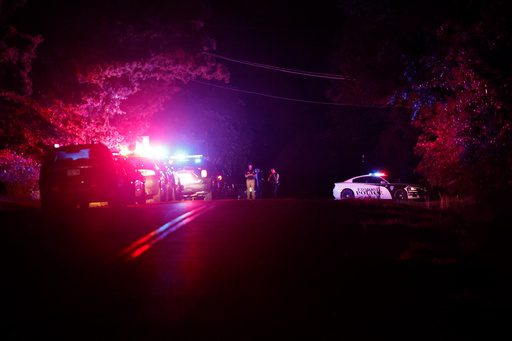
POLICY WIRE — EDMOND, Okla. — The placid surface of Arcadia Lake — a reservoir carved from necessity, purposed for leisure — offered little harbinger of the chaos that would erupt along its shores. A Sunday evening gathering, ostensibly a release valve for youthful exuberance, transmuted instead into a scene of stark terror. Thirteen individuals, many of them young, were hurled into hospitals, their weekend revelry shattered by a fusillade of bullets. It wasn’t the first time this corner of Oklahoma had known such profound, abrupt violence; a chilling echo of past traumas now reverberates.
Police in Edmond, a suburb grappling with an unsettling history, found themselves once again navigating the grim aftermath of a mass casualty event. Reports of shots fired near the lake began flooding in around 9 p.m. Sunday. And, as the initial shock bled into dawn, the numbers swelled: ten people transported by ambulance, three more self-admitted, all nursing wounds of varying gravity. They’re still hunting for suspects, the silence from law enforcement on potential motives deafening.
“This is, unequivocally, a profoundly terrifying situation,” stated Emily Ward, the spokesperson for Edmond police, her voice laced with the weariness of repeated crisis. “We grasp the public’s profound concern, and believe me, we’re expending every available resource to apprehend those responsible. It’s not just a local incident; we’re fanning out across the entire metro, meticulously interviewing victims and any witnesses who might help us piece together this senseless puzzle.” The frantic search continues, yet answers remain elusive.
Behind the headlines, a familiar narrative unfurled. Whispers on social media painted a picture of a planned event, dubbed ‘Sunday Funday,’ drawing a crowd to the recreational spot. Arcadia Lake, a crucial cog in the region’s flood control infrastructure, doubles as a popular haven for fishing, boating, and picnicking — an idyllic setting brutally corrupted. It’s a recurring pattern, don’t you think? — public spaces designed for respite, violently commandeered by the worst of human impulses.
The locale itself possesses a grim historical resonance. Forty years prior, in August 1986, Edmond cemented its place in America’s violent annals when postal worker Patrick Sherrill unleashed a brutal rampage, killing 14 co-workers before turning the gun on himself. That tragedy etched the term ‘going postal’ into the national lexicon, a chilling testament to the town’s enduring brush with extreme violence. While the motivations behind Sunday’s shooting remain opaque, the city once more finds itself grappling with the fallout of indiscriminate gunfire.
But this isn’t merely Edmond’s cross to bear; it’s a stark reflection of a broader American affliction. According to the CDC’s 2023 data brief, firearms now stand as the leading cause of death for children and adolescents in the United States. It’s a statistic that should jolt the collective conscience, yet often feels like background noise in the cacophony of daily headlines.
📄 POLICY WIRE WHITEPAPER PUBLISHED: PAKISTAN'S NATIONAL SECURITY POLICY PRIORITIES
👉 READ BY CLICKING HEREOklahoma State Senator David Prentice, a Republican known for his measured conservatism, shot back at the notion of simple solutions, yet acknowledged the deepening crisis. “We’re witnessing a pervasive shadow cast over community life,” he lamented in an impromptu statement Monday morning. “These aren’t just isolated incidents anymore; they’re symptomatic — profound, systemic fractures in our social fabric that demand more than just platitudes. We can’t simply throw up our hands.”
Still, the question persists: How do societies protect their young, their gathering places, their very sense of peace? The scenes unfolding near Arcadia Lake — the frantic response, the bewildered victims, the urgent manhunt — aren’t unique to the American heartland. From the bustling marketplaces of Lahore, Pakistan, where security concerns often dictate the very rhythm of public life, to the increasingly guarded festivities across the Muslim world, the vulnerability of informal youth gatherings to sudden, devastating violence is a shared global anxiety. It’s a different brand of threat, perhaps, often rooted in geopolitical or sectarian strife elsewhere, but the consequence — shattered public trust and pervasive fear — is eerily similar. This collective insecurity underscores a ‘viral abyss’ of societal fragility that transcends borders.
What This Means
At its core, this latest eruption of violence in Edmond underscores the profound policy paralysis gripping the United States concerning gun control and public safety. Economically, repeated incidents of this nature erode public confidence, deterring community engagement and potentially impacting local commerce as people become more hesitant to frequent public spaces. Psychologically, it embeds a generational trauma, shaping how young people perceive their safety and autonomy in what should be common, everyday environments. The political implications are equally stark: another event adding fuel to the already raging debates over firearm legislation, likely intensifying the partisan divide rather than forging consensus. It’s a fresh scar on the national psyche, reminding us that no place, however tranquil its veneer, is immune to the insidious creep of gun violence.
For policymakers, the challenge isn’t just about apprehending suspects — it’s about addressing the underlying currents that allow such incidents to proliferate. That’s a far more complex undertaking, requiring not just law enforcement, but a holistic reassessment of mental health provisions, community outreach, and indeed, the very accessibility of instruments of mass harm. And, for the people of Edmond, it’s a cruel reminder that some shadows, once cast, linger for decades, redefining their relationship with their own backyard.