

Albuquerque Inferno Exposes Cracks in Urban Resilience, Displaces Dozens
POLICY WIRE — Albuquerque, New Mexico — It wasn’t the blaze itself that whispered the starkest truth, but the swift, silent exodus that followed. A residential inferno, contained within a mere...

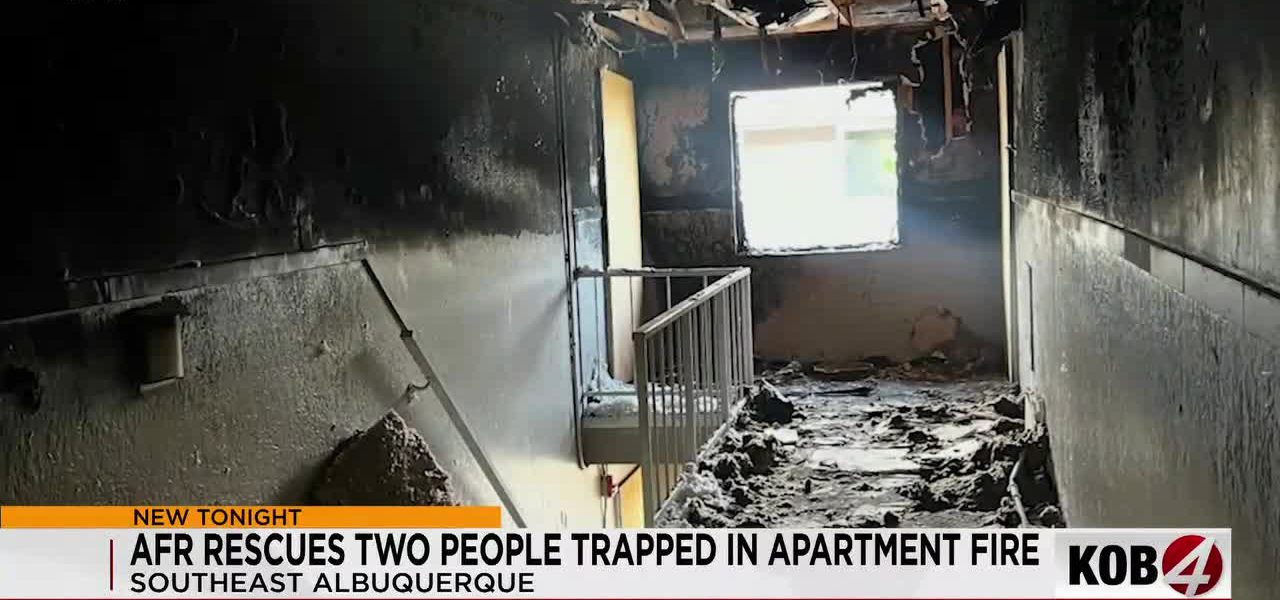
POLICY WIRE — Albuquerque, New Mexico — It wasn’t the blaze itself that whispered the starkest truth, but the swift, silent exodus that followed. A residential inferno, contained within a mere quarter-hour last Saturday evening, left behind a much longer-burning problem: 16 apartment units rendered uninhabitable, dozens abruptly uprooted, and a single individual hospitalized. This wasn’t just a local fire incident; it was, at its core, a chilling snapshot of the delicate social contract governing urban life and the often-fragile foundations upon which it rests.
At approximately 7:30 p.m., the tranquil hum of evening gave way to the siren’s shriek at 1200 Dickerson Drive SE. Albuquerque Fire Rescue (AFR) crews, accustomed to the immediate, visceral drama of their calling, arrived to a scene that, while professionally managed, held an undercurrent of policy failure. Smoke and voracious flames billowed from a second-story unit, a vivid, unwelcome punctuation mark on an otherwise ordinary weekend. Firefighters didn’t just extinguish; they extricated, plucking one resident from the immediate danger zone for on-scene treatment before a trip to a local hospital. And then, a second individual was deftly guided down a ladder, their world shrinking to the narrow rungs beneath them.
“Our teams acted with incredible speed and precision,” shot back Fire Chief Antonia ‘Toni’ Ramirez, reflecting on the rapid containment of the blaze. “But you know, it’s not just about what happens when the alarm rings. It’s about the underlying conditions—the housing density, the maintenance, the sheer volume of calls we’re facing. We can’t just be reactive; we’ve got to talk about proactive measures, too.” Her words, delivered with a veteran’s weary resolve, cut through the immediate narrative of heroics to hint at something more systemic. No other civilians or firefighters sustained injuries, a testament to AFR’s efficiency, but the material devastation was absolute.
Behind the headlines of immediate crisis lies a more insidious, persistent challenge. For the displaced residents, many of whom likely existed on the economic margins, the immediate aftermath isn’t just inconvenience; it’s a precipice. Apartment management, in a perfunctory nod to responsibility, scrambled to liaise with the American Red Cross and other support services. But such ad-hoc arrangements often prove insufficient against the relentless grind of seeking new, affordable housing in a market that consistently fails to provide it. An average of 345,000 U.S. residents are displaced by residential fires each year, according to federal housing data, a staggering figure that underscores a quiet, chronic crisis.
“This fire isn’t an isolated incident; it’s a symptom,” declared City Councilor Ben Carter, a vocal advocate for housing reform, in a pointed press statement the following morning. “We’re seeing the consequences of underinvestment in affordable housing, of inadequate oversight for older structures, and of a social safety net stretched to its absolute breaking point. We can’t just pat ourselves on the back for a quick response; we need to ask why these vulnerabilities persist.” Carter’s frustration, palpable even in official remarks, resonates with a growing national sentiment that housing isn’t just an economic commodity, but a fundamental human right increasingly out of reach for many.
📄 POLICY WIRE WHITEPAPER PUBLISHED: PAKISTAN'S NATIONAL SECURITY POLICY PRIORITIES
👉 READ BY CLICKING HEREStill, the challenges aren’t unique to the sun-baked streets of New Mexico. In sprawling megacities across South Asia—Karachi, Lahore, Dhaka—where urbanization outstrips infrastructure development at a breathtaking pace, such incidents are alarmingly frequent. Densely packed, often informal settlements, coupled with aging electrical grids and lax safety regulations, create literal tinderboxes. The sheer volume of people displaced in a single blaze in, say, a Karachi slum, might dwarf Albuquerque’s numbers, but the human tragedy—the loss of belongings, stability, and dignity—echoes identically. It’s a stark reminder that the vulnerability of urban dwellers, whether in the American Southwest or amidst Kenya’s deluges, transcends geographic boundaries, often exposing similar systemic frailties.
What This Means
This Albuquerque apartment fire, seemingly a localized misfortune, reverberates with broader political and economic implications. Economically, the displacement places immediate strain on public services and charitable organizations, diverting resources that are already scarce. For the individuals involved, it can mean job loss, educational disruption, and a descent into housing precarity, which carries its own long-term costs for the social fabric. Property insurance rates, building code enforcement, and tenant protection laws all come under renewed scrutiny—or should. Politically, such incidents often spark calls for increased funding for fire departments, more rigorous inspections, and crucially, substantial investment in genuinely affordable housing initiatives. Don’t forget, these are the forgotten narratives that often shape election cycles more than grand geopolitical pronouncements.
The incident also underscores the critical importance of robust urban planning — and resilience strategies. As cities expand and populations grow, the risk of such localized catastrophes — whether a sudden fire or an unexpected outbreak aboard a cruise — intensifies. The seamless coordination of emergency services, the efficacy of local government’s response, and the availability of immediate and sustained support for displaced citizens aren’t just operational details; they’re bellwethers of a municipality’s true strength and its commitment to its most vulnerable residents. Ultimately, a fire in a modest apartment complex reveals how deeply intertwined local safety is with global policy debates on urbanization, climate resilience, and social equity.