

Dhoni’s Enigmatic Absence Casts Long Shadow Over IPL’s Economic Crucible
POLICY WIRE — New Delhi, India — The silent hum emanating from Chepauk Stadium isn’t merely the anticipation of another high-stakes Indian Premier League contest; it’s the profound,...

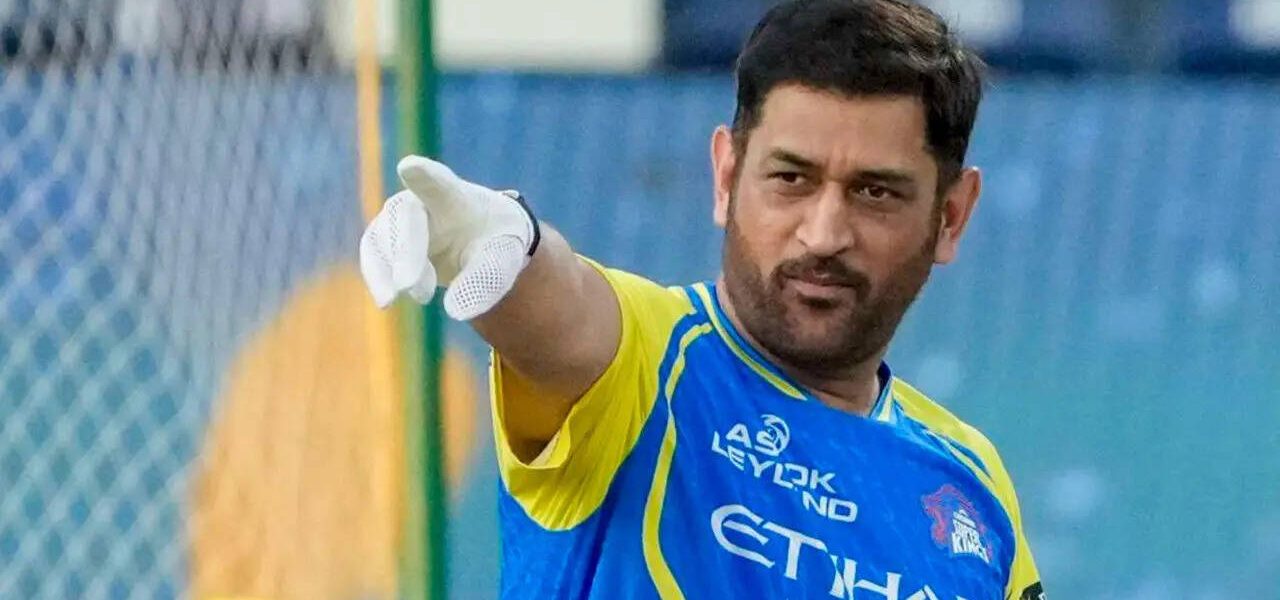
POLICY WIRE — New Delhi, India — The silent hum emanating from Chepauk Stadium isn’t merely the anticipation of another high-stakes Indian Premier League contest; it’s the profound, almost spiritual, longing for a singular presence. Mahendra Singh Dhoni, the Chennai Super Kings’ iconic skipper, remains off the field, ensnared by a calf ailment. But it’s his deliberate, almost monastic, avoidance of the dugout — lest his mere proximity overshadow the team — that truly spotlights the extraordinary gravitational pull of celebrity in India’s most lucrative sporting spectacle.
It’s a strategic retreat, really. A calculated maneuver to prevent the glare of a billion eyes from deviating even momentarily from the action on the pitch. Such is the legend of ‘Thala’ — the leader — that his physical presence alone constitutes a significant, and potentially distracting, event. Michael Hussey, CSK’s batting coach, offered a glimmer of hope to the fervent masses, positing that Dhoni’s recuperation progresses apace. “Hopefully he’ll be back as soon as possible. I don’t know if it’s tomorrow or it’s maybe the next match after that, but he’s progressing really well,” Hussey averred on the eve of a pivotal clash, a tone tinged with both optimism and a judicious lack of specifics. The former Australian international underscored the priority: full running fitness, especially crucial for those decisive, final-over skirmishes where every sprint matters. His skills, Hussey insisted, remain unimpeachable.
Behind the headlines, this isn’t just about a star player’s hamstring; it’s about the very fabric of the IPL’s commercial viability and its profound cultural resonance. Dhoni isn’t just a cricketer; he’s an institution, a brand unto himself. His continued absence, even while ‘watching very closely back home’ and offering ‘a lot of his experience’ in training, represents a fascinating case study in brand management and crowd psychology. The IPL, after all, isn’t just a sports league; it’s an economic behemoth. A report by the Board of Control for Cricket in India (BCCI) and EY indicates that the IPL contributed an estimated 11.5 billion U.S. dollars to India’s GDP since its inception, a staggering testament to its financial heft. And marquee players like Dhoni are central to that valuation, drawing advertising revenue, broadcast eyeballs, and fan engagement.
So, the decision, Hussey made clear, ultimately rests with the man himself. “Once he feels confident in his calf, I’m sure he’ll give the signal that he’s ready to go. At the moment, we’re guided by him. We’re waiting. I think all of Chennai is waiting,” he added, encapsulating the collective suspense gripping not just Chennai, but a significant swathe of the cricketing world. This isn’t merely a coach deferring to a player; it’s an organization bowing to the sheer charisma and strategic acumen of an individual who understands his own economic and psychological impact better than anyone.
Still, the implications ripple far beyond the immediate confines of the league. Across the subcontinent, from Dhaka to Lahore, the narrative of Dhoni’s return is followed with an almost religious intensity. His pan-regional appeal transcends political boundaries, offering a fleeting moment of shared identity in a sometimes-fractured landscape. Cricket, in South Asia, isn’t just a sport; it’s a unifying language. And players of Dhoni’s stature, with their tales of resilience and leadership, provide a potent, universally understood folklore. Mumbai’s Reckoning: How a Star’s Hamstring Becomes an Economic Barometer in India’s Premier League details similar dynamics.
📄 POLICY WIRE WHITEPAPER PUBLISHED: PAKISTAN'S NATIONAL SECURITY POLICY PRIORITIES
👉 READ BY CLICKING HEREBut the pressure mounts, not least on the league’s administrators. Dr. Anjali Sharma, India’s Minister for Youth Affairs and Sports, recently articulated this broader view in a parliamentary briefing. “The presence of global icons like Dhoni isn’t just about sporting prowess; it’s about national pride, youth aspiration, and a formidable soft power projection,” Sharma asserted. “Their fitness, their public image, their very narrative contributes substantially to the ecosystem. We’re not just talking about runs and wickets; we’re talking about billions in revenue and immeasurable cultural capital. It’s an investment, truly, that must be safeguarded.” Her words underscore the precarious balance between a player’s personal recovery and the colossal machinery of a league dependent on its marquee figures.
What This Means
At its core, Dhoni’s extended absence—and the meticulous management of its perception—serves as a stark reminder of the outsized influence individual athletes wield within globalized sports economies. For policy makers, it highlights the need for robust player welfare mechanisms, not just for ethical reasons, but as a critical safeguard for multi-billion dollar industries. When a single calf muscle can trigger such widespread anxiety, it underscores the systemic vulnerabilities inherent in star-dependent enterprises. it exposes the subtle interplay of sport and geopolitical soft power; the narrative surrounding a player like Dhoni, particularly given his military honorary rank, isn’t confined to sports pages but often echoes in diplomatic corridors, shaping regional perceptions. The calculated ‘no-show’ in the dugout also provides a fascinating case study in celebrity management, where absence, rather than presence, amplifies mystique and, paradoxically, reinforces control over the media narrative. It’s a testament to his understanding of the media beast, really, — and how to tame it.
Ultimately, the saga of Dhoni’s return isn’t just a human interest story; it’s a microcosm of the intense pressures and profound economic stakes that underpin modern sports. Every limping step, every whisper of recovery, isn’t just about an athlete returning to play; it’s about the ebb and flow of capital, national sentiment, and a cultural phenomenon that binds a diverse subcontinent.