


The Golden Cage: KL Rahul’s Individual Brilliance Eclipsed by Collective Aspiration
POLICY WIRE — New Delhi, India — In the high-octane amphitheater of the Indian Premier League (IPL), where individual brilliance often overshadows collective endeavor, one man’s prodigious...

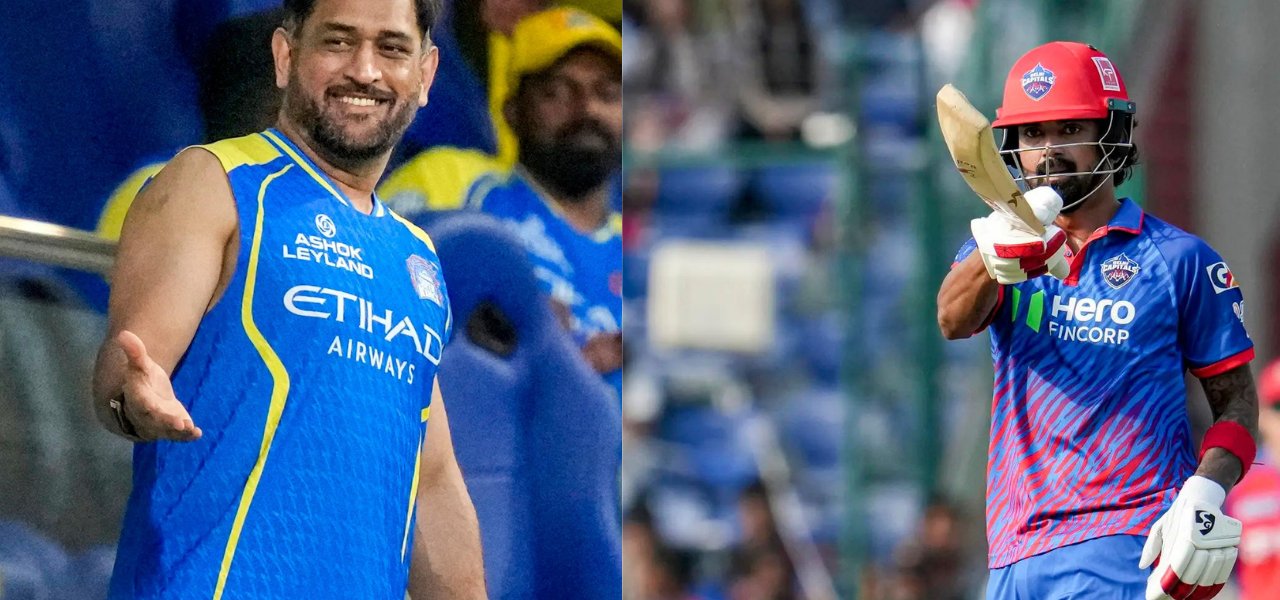
POLICY WIRE — New Delhi, India — In the high-octane amphitheater of the Indian Premier League (IPL), where individual brilliance often overshadows collective endeavor, one man’s prodigious run-scoring has become a curious case study in modern sports economics and the subtle psychological burdens borne by its titans. KL Rahul, the prodigious opener for the Delhi Capitals, recently leapfrogged cricketing demigod MS Dhoni on the IPL’s all-time run-scorers list – an achievement that, by all conventional metrics, should have elicited widespread self-congratulation. But it hasn’t, not really.
Instead, Rahul’s immediate reaction underscored a deeper, more poignant narrative: the solitary weight of a batting virtuoso trapped in a team’s middling performance. He’s scoring runs at a record clip, yes, but those towering sixes and exquisite boundaries haven’t yet coalesced into consistent team victories, leaving him — and his franchise — outside the elite tier of contenders. It’s a paradox, isn’t it? A player at the zenith of his powers, yet yearning for a different kind of validation.
“I didn’t even realize I’d vaulted past Mahi bhai on the IPL’s all-time run-scorers ledger,” Rahul conceded with a characteristic shrug on JioStar’s ‘Superstars’, his voice tinged with a sincerity that cut through the usual sportsman’s platitudes. “Honestly, the *only* milestone I’m genuinely striving to match with MS Dhoni are those five gleaming IPL trophies he’s hoisted with Chennai.” It’s a stark, almost uncomfortably honest admission that lays bare the chasm between personal accolades and the ultimate team glory. He’s not alone in this sentiment, of course. Many a great individual athlete has chased that elusive team triumph.
This season, Rahul’s individual exploits have been nothing short of breathtaking. He’s amassed 433 runs in just nine matches, boasting an astronomical average of 54.13 and an even more staggering strike rate of 185.84. He became only the third player ever to register a 150-plus score in IPL history and holds the distinction of the highest individual score by an Indian in the tournament – a truly monumental effort. But for all his boundary-laden artistry and record-shattering prowess, the Delhi Capitals languish in sixth place on the points table, securing merely four wins from their nine outings. It’s a brutal arithmetic: individual brilliance, no matter how incandescent, doesn’t always sum up to team success. Still, the individual contract remains the lifeblood of these multi-million dollar leagues.
“We’re witnessing a paradigm shift,” observed legendary Pakistani fast bowler Wasim Akram (retired, a noted cricket commentator) in an exclusive Policy Wire interview, reflecting on the modern cricketer’s predicament. “These leagues, they’re designed to amplify individual brilliance, yet cricket, at its essence, remains a team sport. It’s a cruel irony for a talent like Rahul; his individual brilliance often highlights his team’s collective shortcomings, doesn’t it?” Akram’s assessment resonates profoundly across the cricketing landscape, particularly in South Asia, where the IPL’s meteoric rise has redefined player valuation and career trajectories. The league has become a colossal economic barometer, often overshadowing the prestige of even international fixtures for some players, creating a complex interplay of loyalties and ambitions.
📄 POLICY WIRE WHITEPAPER PUBLISHED: PAKISTAN'S NATIONAL SECURITY POLICY PRIORITIES
👉 READ BY CLICKING HERERahul’s cumulative 5,579 runs from 152 IPL matches, according to official IPL statistics, position him as the fifth-highest scorer in the league’s decorated history. That’s a testament to his longevity — and consistency, a career built on meticulous technique and explosive power. But like many high-profile athletes across the subcontinent — from Pakistan’s mercurial batsmen to Bangladesh’s all-rounders — the pressure to perform individually, to be the undeniable ‘star’, often conflates with the collective expectation. It’s a cultural phenomenon, almost, where individual heroism is lauded, sometimes disproportionately, over the less glamorous grind of collective strategy and execution. And in a region where cricketing idols are revered almost religiously, this phenomenon isn’t just about sport; it’s about national pride, aspiration, and the very fabric of popular culture.
What This Means
Rahul’s predicament, a golden bat in a struggling side, isn’t just a sports footnote; it’s a potent microcosm of the contemporary athlete’s economic reality and psychological quandary. At its core, the IPL, much like other global sporting behemoths, is a commercial enterprise that thrives on star power. Individual statistics translate directly into brand value, endorsement deals, — and astronomical player salaries. A player like Rahul, despite his team’s patchy performance, retains immense marketability because his personal output is consistently elite. This creates a fascinating tension: the individual is incentivized to perform superlatively, yet the ultimate prize (the trophy) requires seamless team synergy.
Economically, Rahul’s situation highlights the burgeoning power of individual brand over franchise loyalty, a trend keenly observed in leagues from the NBA to football. The health of a star often becomes an economic barometer for an entire franchise. Psychologically, it places an immense burden on players to carry their teams, even when systemic issues or strategic missteps are at play. It’s a form of sustained dominance, yes, but often beneath the gloss lies an unseen burden. For fans across Pakistan, Bangladesh, and India, who passionately follow the IPL despite national rivalries, Rahul’s quest resonates: it’s about more than runs; it’s about legacy. It’s about fulfilling a promise, not just to a franchise, but to a vast, expectant audience that demands both individual fireworks and collective triumph. And that, it’s fair to say, is a heavy mantle to wear, even for cricket’s most gifted batsmen.