


Pakistan’s Perilous Peace Play: Mediation Efforts Backfire, Exposing Fragile Economy to Mideast Fallout
POLICY WIRE — Islamabad, Pakistan — It’s a peculiar predicament: a nation striving for diplomatic éclat finds itself, instead, teetering on the precipice of economic disarray. Pakistan, for all...

POLICY WIRE — Islamabad, Pakistan — It’s a peculiar predicament: a nation striving for diplomatic éclat finds itself, instead, teetering on the precipice of economic disarray. Pakistan, for all its earnest efforts to broker détente between Washington and Tehran, is now discovering that the path of a peacemaker can be fraught with unforeseen, and deeply unwelcome, financial peril.
And what an irony it’s. Islamabad had positioned itself near the vortex of Middle Eastern diplomacy, aiming to douse the simmering flames of conflict. But with no substantive thaw in US-Iran relations materializing, the collateral damage — particularly volatile global energy markets — is now splashing directly onto Pakistan’s already threadbare fiscal canvas. This isn’t just about oil prices; it’s about a nation whose very economic stability hangs precariously on external lifelines and the vagaries of international politics. One might even call it a tragic demonstration of the ‘unintended consequences’ clause in the geopolitical handbook.
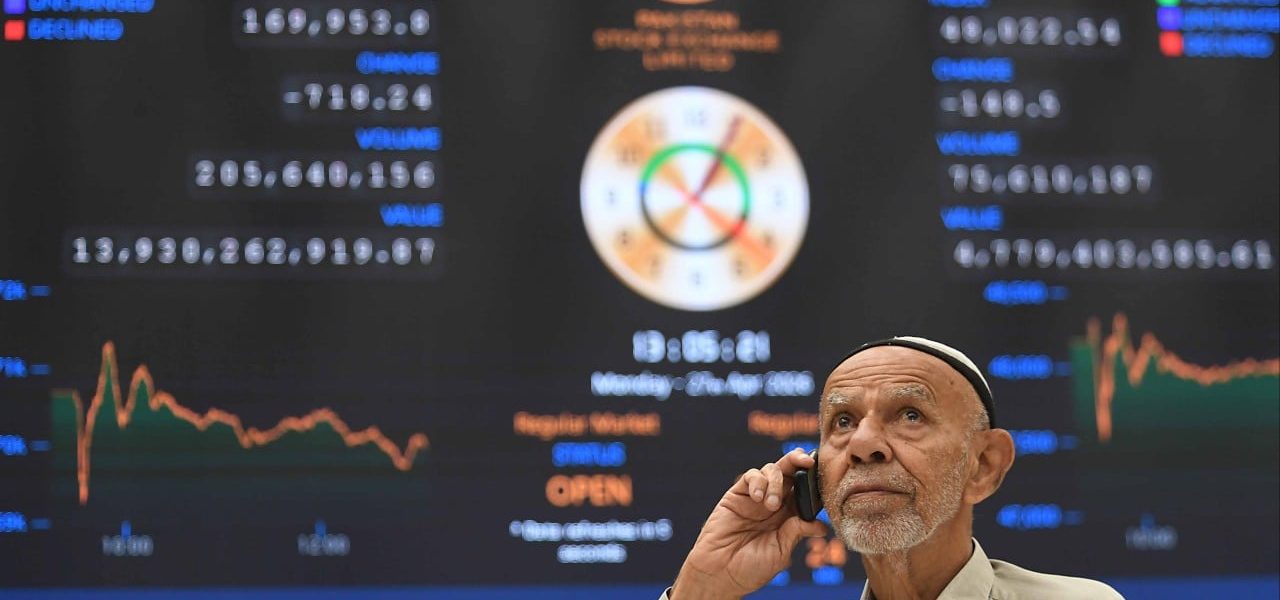
Soaring crude prices, exacerbated by regional tensions and the enduring specter of disrupted shipping through the Strait of Hormuz, haven’t merely rattled global markets; they’ve unleashed a cascade of deleterious effects. For a country like Pakistan, perpetually struggling with its balance of payments, these shocks aren’t just inconvenient; they’re existential. Its foreign exchange reserves, currently hovering around $8 billion according to the State Bank of Pakistan, barely cover two months of essential imports. This isn’t merely thin; it’s practically transparent.
“We simply can’t afford to see this conflict metastasize,” opined Pakistan’s Finance Minister Muhammad Aurangzeb during a recent press briefing, his voice laced with an almost palpable weariness. “Our regional stability, our people’s livelihoods, hang in the balance. It’s a cruel irony that seeking peace can expose us to such raw economic volatility.” His sentiment captures the agonizing bind of a nation that, despite its considerable strategic importance, often finds itself buffeted by forces far beyond its immediate control. This isn’t the first time Pakistan has navigated such treacherous waters, but the currents feel particularly unforgiving now.
The International Monetary Fund (IMF), a ubiquitous presence in Pakistan’s economic narrative, has been a key partner in its fitful recovery bids. Yet, even the most meticulously crafted IMF programs buckle under sustained geopolitical pressure. “Pakistan’s fiscal trajectory remains a concern, particularly amidst these unpredictable geopolitical headwinds,” conveyed an IMF spokesperson, speaking on background from Washington. “Sustained reforms are paramount; external shocks, however, test even the most disciplined efforts.” It’s a diplomatic way of saying: ‘We’re worried, and so should you be.’
📄 POLICY WIRE WHITEPAPER PUBLISHED: PAKISTAN'S NATIONAL SECURITY POLICY PRIORITIES
👉 READ BY CLICKING HEREBehind the headlines of diplomatic overtures lies the stark reality of Pakistan’s energy dependency. It imports over 80% of its oil, a gargantuan sum that siphons off precious foreign exchange. Every dollar increase in global oil prices translates directly into millions more dollars hemorrhaging from the national coffers. For a nation already battling persistent inflation, a depreciating currency, and a ballooning debt servicing burden — the current situation represents a triple threat. And this isn’t solely a South Asian affliction; other Muslim-majority nations in the wider region, while perhaps better cushioned, eye these developments with apprehension, understanding the contagious nature of instability.
But Pakistan’s vulnerability isn’t just about economic metrics; it’s about social cohesion. Inflation erodes purchasing power, fuels public discontent, — and complicates governance. The government’s delicate balancing act, trying to implement unpopular austerity measures demanded by the IMF while simultaneously mitigating the impact of external shocks, is becoming increasingly untenable. This dynamic creates a fertile ground for domestic political instability, further jeopardizing any hopes of sustained economic rehabilitation. In the grand tapestry of global power plays, smaller nations often bear the brunt, and Pakistan seems to be a prime example.
What This Means
The stalled US-Iran mediation, despite Pakistan’s sincere attempts, translates into multifaceted repercussions. Politically, it undermines Islamabad’s aspirations to act as a regional arbiter, potentially diminishing its diplomatic leverage in future crises. Domestically, the economic fallout — from inflationary pressures to the constant threat of a balance-of-payments crisis — could easily ignite widespread public unrest, challenging the current government’s already precarious mandate and potentially leading to further political fragmentation. Economically, the country faces a brutal test of its resilience; sustained high energy costs will deepen its external debt burden, making any exit from perpetual IMF dependence an even more elusive dream. Without a significant de-escalation in Middle East tensions or a dramatic shift in global energy dynamics, Pakistan’s hard-won, albeit fragile, economic recovery remains critically exposed, a hostage to forces beyond its immediate control. Its future, alas, feels less like a planned trajectory — and more like a high-stakes gamble.