


Sandia Crest’s Long Goodbye: A Bitter Pill for New Mexico’s High Country
POLICY WIRE — Albuquerque, N.M. — The final ascent was, for many, less a recreational outing and more a pilgrimage. On Wednesday, the winding asphalt ribbon to Sandia Crest buzzed with a bittersweet...

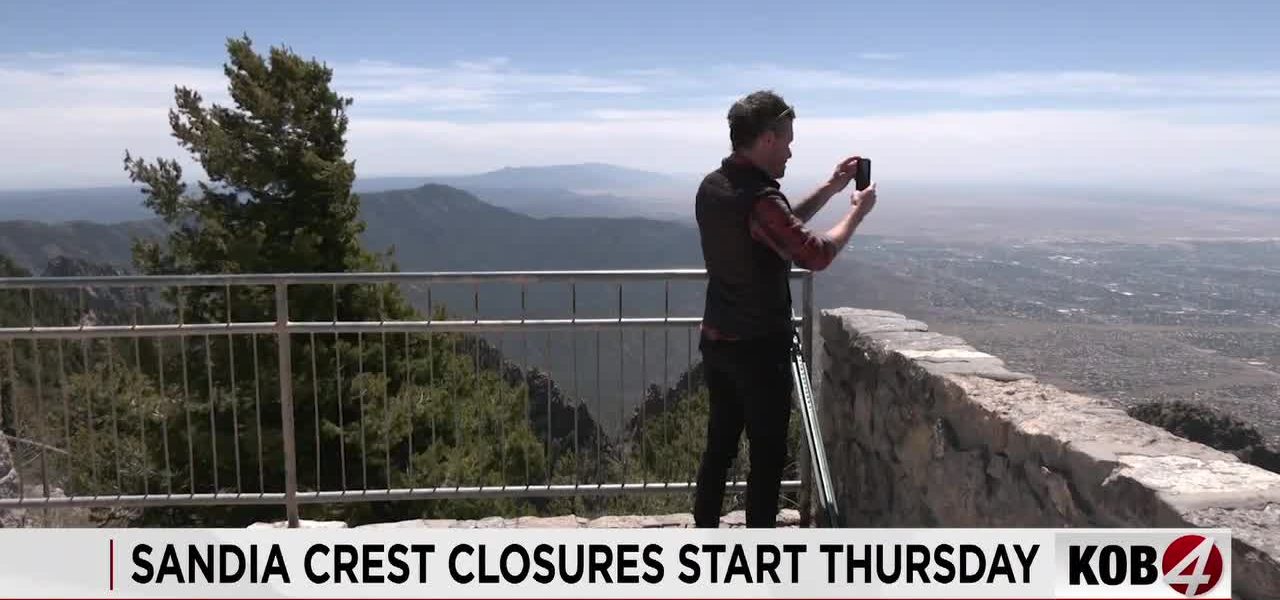
POLICY WIRE — Albuquerque, N.M. — The final ascent was, for many, less a recreational outing and more a pilgrimage. On Wednesday, the winding asphalt ribbon to Sandia Crest buzzed with a bittersweet urgency, as New Mexicans and transient visitors alike jockeyed for one last panoramic glimpse before federal bureaucrats pulled the plug—or rather, commenced a protracted, multi-year closure of a beloved high-altitude haven. It wasn’t the imminent construction of a new ski resort, nor the declaration of an endangered species habitat, but simply the march of progress, federal style, that brought an end to easy access to this panoramic perch overlooking the Rio Grande Valley until at least late 2027.
For decades, the Sandia Crest Recreation Area, a jewel in the Cibola National Forest, has offered an accessible escape, a place where urban dwellers could, within minutes, trade concrete for ponderosa and elevation for perspective. But on Thursday, a significant swathe of this alpine sanctuary—just north of the enduring Sandia Peak Tramway and its lofty Ten-3 restaurant—fell silent, barricaded against the public. The mandate: an ambitious infrastructural overhaul designed to mitigate wildfire risks — and modernize aging facilities. It’s a pragmatic decision, no doubt, but one that slices deep into the collective memory of a community that has long considered the Crest its backyard.
Ryan Slater, a hiker taking in the crisp mountain air one last time, articulated a common sentiment. “I remember when I read about it, I did want to take a note to come back up here one last time because I don’t want to pay 25 bucks to take a gondola,” he shot back, gesturing towards the Tramway. “I’m sure that’s going to be open, but I’d rather much just drive up here.” His frustration, it’s not hard to discern, isn’t merely about cost, but about a cherished ritual abruptly—and inconveniently—suspended.
But the Forest Service insists such measures are indispensable. “The prolonged closure, while certainly inconvenient for our valued visitors, is a critical investment in the long-term ecological health and public safety of the Sandia Crest,” stated Eleanor Vance, a spokesperson for the Cibola National Forest, in an exclusive interview with Policy Wire. “We’re not just paving a parking lot; we’re fundamentally re-engineering this environment to withstand the escalating threats of climate change, especially wildfire, and to provide a more sustainable, safer experience for generations to come.”
Behind the headlines of inconvenience lies a comprehensive, multi-million-dollar endeavor. The existing Sandia Crest House is slated for demolition, making way for additional observation areas, shade structures, seating features, landscaped zones, interpretive signage, and enhanced trail connections. Forest officials have hinted that certain segments, including portions of the Crest and Highway 536, might reopen ahead of the 2027 projection, offering a sliver of hope amid the extensive timeline.
Still, the immediate absence of amenities looms large for many. Barb Karlo, another hiker savoring her final moments, mused, “It’d be nice to have something like the crest has, like a nice restaurant, and gift shop, and I know this is going to be torn down, but it’d be nice.” Nehan Syed echoed that practical yearning: “Maybe like a gift shop, some people selling some ice cream. That’d be nice.” These aren’t demands for luxury; they’re the simple human desires for comfort and commerce amidst nature’s grandeur, a void the Forest Service has acknowledged by considering options like food trucks to fill the imminent culinary vacuum.
📄 POLICY WIRE WHITEPAPER PUBLISHED: PAKISTAN'S NATIONAL SECURITY POLICY PRIORITIES
👉 READ BY CLICKING HERE“We understand the economic ripple effect of such a significant closure,” remarked Marcus Thorne, director of Albuquerque’s Convention & Visitors Bureau. “While the immediate impact on local businesses serving Crest-bound tourists will be felt, we anticipate the eventual reopening will usher in a renewed surge of visitors, drawn by upgraded facilities and an even more pristine environment. It’s a short-term pain for long-term gain—a common calculus in large-scale public infrastructure projects that benefit the community broadly.”
At its core, this closure underscores the enduring policy tension between access and preservation, a challenge not unique to the American West. The U.S. Forest Service, managing over 193 million acres, estimates that outdoor recreation annually contributes more than $689 billion to the nation’s economy—a significant incentive to maintain and upgrade these critical assets. And it’s a dilemma that resonates across diverse landscapes, from the Swiss Alps to the Himalayas. Consider Pakistan’s northern areas, where breathtaking mountain vistas, once remote, are now increasingly besieged by domestic and international tourism. Rapid development, often unregulated, threatens fragile ecosystems and traditional communities, compelling authorities there to grapple with similar questions of infrastructure, access, and environmental stewardship (sometimes with less robust funding or foresight, it’s true).
This universal struggle, then, isn’t just about trails — and parking lots. It’s about how societies reconcile a burgeoning populace’s desire for natural escape with the increasingly urgent need to protect these finite, precious resources. For now, visitors unwilling to undertake a strenuous ascent will still find solace at the Sandia Peak Tram, which continues its operations. And while popular paths like the La Luz Trail remain open, hikers will need to embrace detours—like the 10K trail—to navigate around the expansive construction zone. The state, not unfamiliar with the unseen costs of managing its vast wildlands, now adds another chapter to its ongoing saga of balancing nature’s allure with humanity’s footprint.
What This Means
The multi-year closure of Sandia Crest isn’t merely a local inconvenience; it’s a microcosm of broader policy challenges faced by public lands management agencies globally. Economically, it represents a direct hit to micro-tourism businesses that depend on the daily flow of visitors, from gas stations to small eateries in nearby communities. While the promise of upgraded facilities suggests a future boost, the interim period demands strategic support for these affected enterprises. Politically, such closures often trigger a predictable friction between public access advocates and conservationists, with federal agencies caught in the middle. It’s a delicate balancing act, one that requires transparent communication and demonstrable long-term benefits to justify immediate deprivation. the emphasis on wildfire risk mitigation highlights a growing, expensive imperative for land managers everywhere: adapting infrastructure to a rapidly changing climate. This isn’t just about better restrooms; it’s about existential resilience.