

India’s Aviation Sector Grounds to a Halt Amidst Fuel Price Turbulance, Imperiling Global Ambitions
POLICY WIRE — New Delhi, India — For a nation routinely touted as the next economic powerhouse, a shining beacon of entrepreneurial zeal and burgeoning middle-class aspiration, the...

POLICY WIRE — New Delhi, India — For a nation routinely touted as the next economic powerhouse, a shining beacon of entrepreneurial zeal and burgeoning middle-class aspiration, the current plight of India’s commercial aviation sector presents an inconvenient truth — a fundamental vulnerability that could clip its wings before it truly takes flight. It isn’t a lack of passengers, nor a dearth of ambition, but the prosaic, yet paralyzing, price of fuel that now threatens to ground the very carriers indispensable to a globally integrated India.
Behind the headlines of soaring stock markets and digital revolution, the nation’s major airlines are articulating a stark, unvarnished warning: without immediate government intervention on exorbitant jet fuel prices, they’re poised to suspend operations. This isn’t just a business squabble; it’s a potential chokehold on the very arteries of commerce and tourism for a country staking its claim on the world stage. It’s a predicament that, frankly, underscores the brutal calculus of economic realities, even for titans.
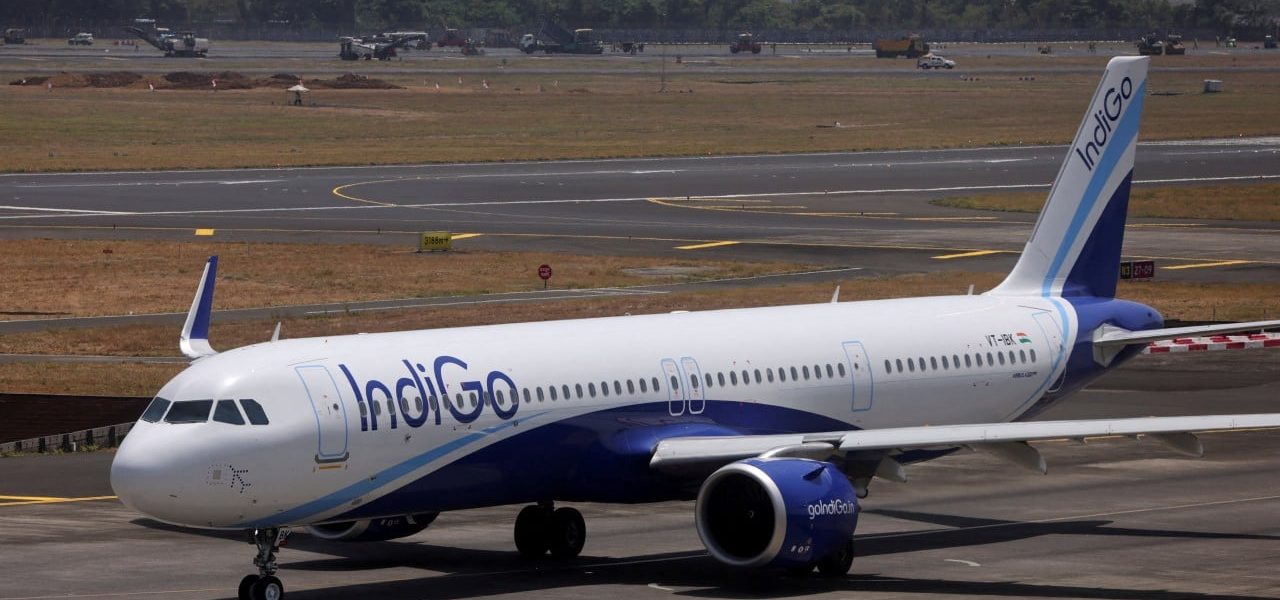
The Federation of Indian Airlines (FIA), representing colossal players like IndiGo, Air India, and SpiceJet, didn’t mince words in a missive to the Civil Aviation Ministry, seen by Bloomberg. They sought not just relief, but a regression to pandemic-era cost caps on Aviation Turbine Fuel (ATF) — and a drastic reduction in the various levies that make India’s jet fuel among the priciest globally. It’s less a request, more a desperate plea from the flight deck.
Ranjit Singh, CEO of regional carrier Vayu Air, didn’t shy from the gravity of the situation. “We’re not crying wolf; we’re staring down an abyss,” he lamented, his voice tight with frustration during a recent industry briefing. “Without immediate, decisive action on these punitive fuel taxes, India’s aviation sector — a vital artery for our burgeoning economy — simply won’t survive this fiscal squeeze. It’s not about profits anymore; it’s about staying airborne.” His words resonate with the collective anxiety rippling through airline boardrooms.
But the government, navigating its own fiscal tightrope, sees a different landscape. Rajesh Kumar, Joint Secretary for Economic Affairs within the Ministry of Civil Aviation, offered a measured, albeit unyielding, perspective. “The government understands the challenges faced by our carriers,” Kumar stated, addressing reporters at a recent press conference. “We’re committed to fostering a robust aviation sector. But global crude prices are a reality, — and fiscal prudence remains paramount. Solutions must be sustainable, not just temporary bandages.” It’s a classic Catch-22, isn’t it?
And those global crude prices? They’re compounded by India’s internal taxation structure. Industry analysts, citing Bloomberg data, suggest that Indian airlines, in some cases, pay approximately 40% more for ATF than their international counterparts operating in other major global hubs. That’s a staggering disparity, creating an uneven playing field that no amount of operational efficiency can fully offset. It’s like running a marathon with ankle weights, while everyone else sprints unencumbered.
📄 POLICY WIRE WHITEPAPER PUBLISHED: PAKISTAN'S NATIONAL SECURITY POLICY PRIORITIES
👉 READ BY CLICKING HEREThis domestic aviation turmoil also casts a long shadow across the broader South Asian landscape. For millions across the Muslim world, India serves as a crucial transit hub for business, tourism, and importantly, pilgrimage to Mecca for Hajj and Umrah. A crippled Indian aviation sector doesn’t just affect domestic travel; it disrupts regional connectivity, impacts trade flows, and could push more traffic towards competing hubs in the Gulf or Southeast Asia. Pakistan International Airlines (PIA) has long struggled with its own set of debilitating financial issues, offering a stark — and perhaps cautionary — parallel, albeit on a different scale, for what awaits if Delhi doesn’t act decisively.
What This Means
At its core, this aviation crisis, fueled by an unwieldy combination of global energy volatility and entrenched domestic taxation, threatens to unravel years of India’s strategic push for economic liberalization and infrastructural expansion. Politically, a widespread grounding of flights would trigger unprecedented public outcry, particularly from the burgeoning middle class who’ve embraced air travel as a symbol of their upward mobility. It’s an election-year nightmare. Economically, the ramifications are far-reaching: a severe blow to tourism, disrupted supply chains for time-sensitive goods, and a cascade effect on allied industries, from hospitality to ground transport. it could deter foreign investment in a sector Prime Minister Modi has actively championed. The government’s immediate challenge is to strike a delicate balance: provide genuine relief without setting a precedent for endless subsidies, all while adhering to a broader fiscal roadmap that’s already under strain — a tricky maneuver, even for seasoned politicians. This isn’t merely about keeping planes in the sky; it’s about safeguarding India’s economic trajectory and maintaining its aspirational image on the world stage.
Still, the clock ticks. Every day spent in stalemate means more red ink — and a greater likelihood that India’s grand aviation ambitions might just descend into a bumpy, rather than smooth, landing. The question isn’t if the government acts, but how, — and if it’s swift enough to avert a national aviation emergency.