


Albuquerque’s Thorny Predicament: A City Grapples with a Pet-Killing Weed and Bureaucratic Inertia
POLICY WIRE — Albuquerque, New Mexico — It’s not a burgeoning crime wave, nor a catastrophic infrastructure collapse. But in the sun-baked neighborhoods of southeast Albuquerque, a silent,...

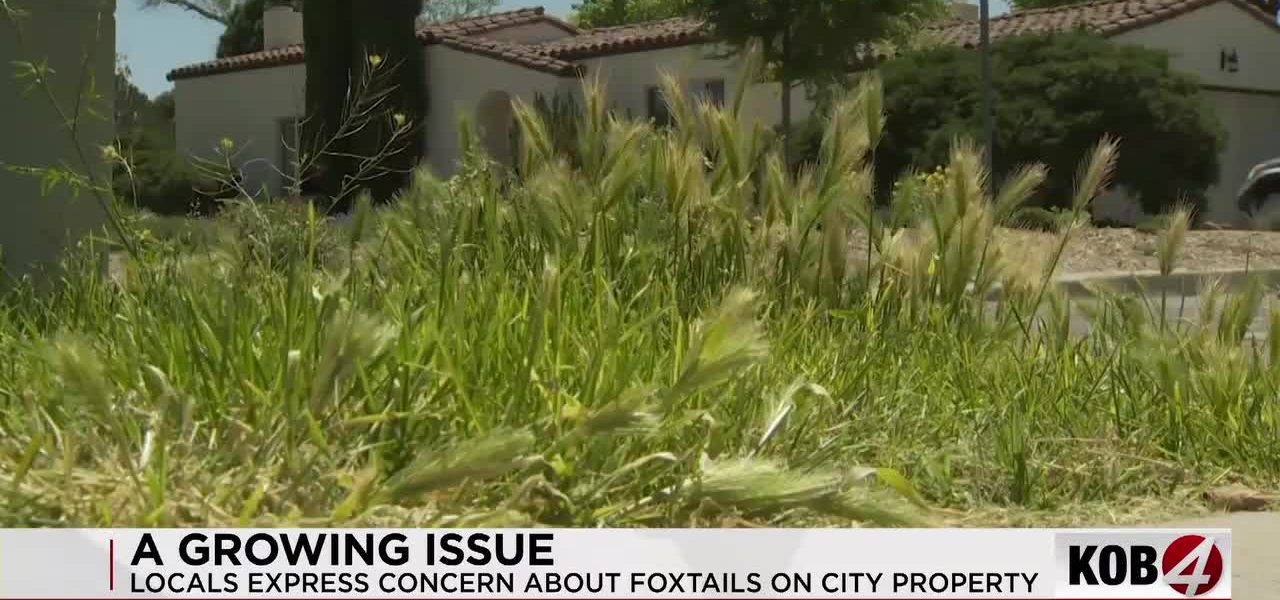
POLICY WIRE — Albuquerque, New Mexico — It’s not a burgeoning crime wave, nor a catastrophic infrastructure collapse. But in the sun-baked neighborhoods of southeast Albuquerque, a silent, spiky menace is provoking a surprising level of civic exasperation: the humble foxtail weed. This seemingly minor botanical incursion, often dismissed as mere roadside flora, has escalated into a genuine public health concern for companion animals, exposing the frayed edges of municipal responsiveness and resource allocation in a rapidly expanding arid city.
For years, residents along Ridgecrest Drive SE and surrounding parks have watched, aghast, as these insidious barbed seed heads proliferate. They’re not just an unsightly nuisance; they’re a biological booby trap, silently burrowing into paws, ears, eyes, and even internal organs of unsuspecting dogs and cats, sometimes with fatal consequences. And it’s not a new problem, not by a long shot. Kari Converse, a long-time resident, whose daily walks with her dog Cassie have become a meticulous inspection ritual, lamented, “I’ve pestered the city countless times, trying to get them to acknowledge this growing peril. They’ve essentially communicated, in so many words, their profound disinterest.” Her observation, honed over 24 years of observing neighborhood canine life, points to a worsening ecological tide. “More — and more, it’s just getting overrun by foxtails.”
Jamie Estrada, another aggrieved resident, documented his efforts, sharing an email from the previous year detailing the spread across city parks. His missive, echoing into a bureaucratic void, received no reply. Such administrative silences, familiar in urban centers grappling with arid-land challenges from here to the suburbs of Karachi, underscore a deeper systemic issue. But what does the city say? Behind the headlines, officials concede the problem is real, yet they’re quick to cite the perennial culprits: staffing shortages and budgetary limitations.
Councillor Elena Montoya, whose district encompasses the affected areas, shot back at claims of indifference. “We’re absolutely sympathetic to residents’ concerns—believe me, my inbox is bursting with them. But budget constraints are a perennial reality; it’s a zero-sum game, isn’t it? You simply can’t expect us to prioritize perennial rye grass over, say, public safety infrastructure or crucial social services.” Her words, while acknowledging the plight, neatly pivot the responsibility to the broader financial picture—a familiar refrain in city halls nationwide.
The city’s Solid Waste Department, responsible for medians and vast swathes of municipal property, and Parks and Recreation, which oversees the city’s green spaces, jointly shoulder the blame. “This weed,” explained David Chen, Director of Parks and Recreation, “demands a far more aggressive, consistent treatment regime. Manual removal, frankly, it’s an unsustainable drain on our already stretched teams. We’re exploring innovative solutions—new herbicides, biological controls even—but these things don’t materialize overnight.” He stressed that the department is currently testing new foxtail control methods, a proactive step that, critics contend, comes years too late.
📄 POLICY WIRE WHITEPAPER PUBLISHED: PAKISTAN'S NATIONAL SECURITY POLICY PRIORITIES
👉 READ BY CLICKING HEREThe veterinary community, however, isn’t waiting for bureaucratic gears to grind. Dr. Maggie Jones of Aztec Animal Clinic observes a cyclical uptick in foxtail-related emergencies each spring — and summer. “In dry states like New Mexico, it’s an annual scourge,” Dr. Jones asserted. Pet owners, she advises, must remain hyper-vigilant, looking for symptoms like redness, discharge, — and often, pus. “If it smells bad, looks bad—that’s a clear red flag. Up the nose, you’ll see sneezing; if swallowed, they can even get lodged in the tonsils.” Long-haired breeds, she noted, face an elevated risk. The danger is acute: infection can rapidly turn fatal if the barb migades to vital organs like the lungs or stomach. According to a recent analysis by the American Veterinary Medical Association (AVMA), foxtail-related foreign body incidents account for an estimated 15% of emergency vet visits in arid regions annually, a stark number that underscores the economic burden on pet owners and the healthcare system.
What This Means
At its core, Albuquerque’s foxtail conundrum transcends a simple weed problem; it’s a microcosm of urban governance challenges. The city’s struggle to manage an invasive species that directly impacts a significant portion of its citizenry—pet owners—highlights systemic issues in municipal resource allocation, public communication, and responsiveness. Economically, the cost isn’t just in city budgets for weed control (or lack thereof), but in the substantial veterinary bills residents incur, potentially siphoning discretionary income from other local businesses. Politically, the repeated calls from residents, met with what’s perceived as bureaucratic inertia, can erode public trust and voter confidence in local leadership.
Still, the environmental implications are equally profound. The unchecked spread of invasive flora points to a broader ecological shift, potentially exacerbated by climate change and its impact on arid landscapes. The policy implications here aren’t dissimilar to larger, more complex challenges facing governments globally: how do you balance immediate, visible needs with less glamorous, preventative measures? It’s a thorny question, and one Albuquerque, like many other cities, is finding surprisingly difficult to answer effectively.