


Colombia’s Unsettling Echo: Highway Blast Shatters Fragile Peace Narrative
POLICY WIRE — Bogotá, Colombia — The acrid smell of burnt metal and shattered asphalt hung heavy over a stretch of highway this week, not as a grim relic of a bygone era, but as a stark, visceral...

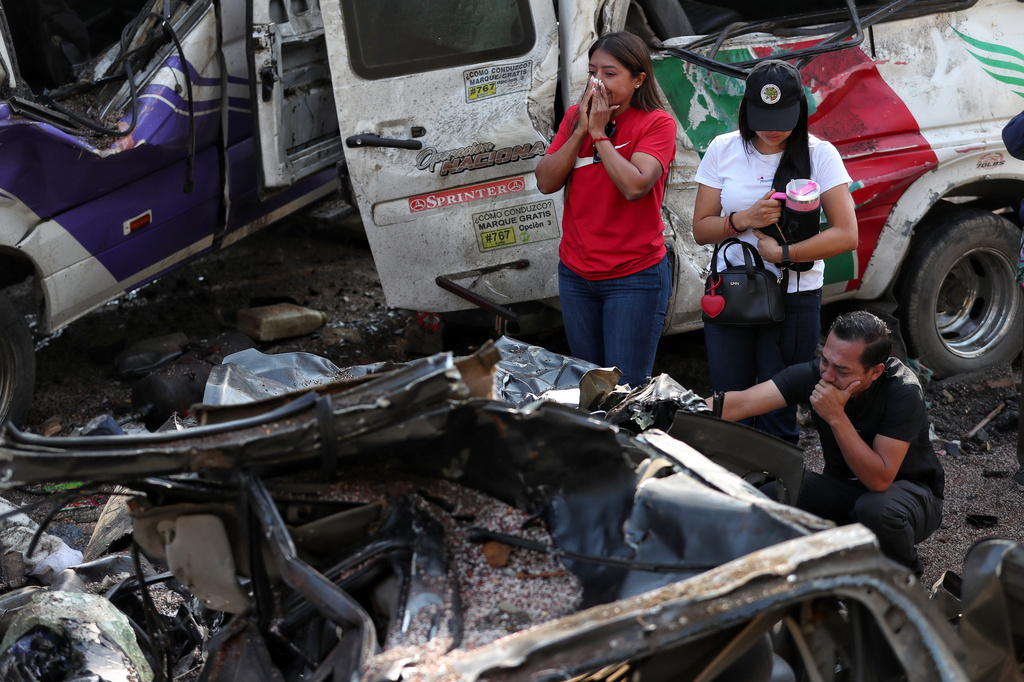
POLICY WIRE — Bogotá, Colombia — The acrid smell of burnt metal and shattered asphalt hung heavy over a stretch of highway this week, not as a grim relic of a bygone era, but as a stark, visceral reminder that Colombia’s arduous trek toward lasting peace remains perilously incomplete. It wasn’t the headline of a forgotten war; it was Tuesday’s grim reality, where a devastating explosion claimed at least 20 lives and left scores injured, ripping through a civilian convoy with an unnerving precision that harked back to the nation’s darkest chapters.
No immediate claim of responsibility has emerged, yet the shadow of Colombia’s perennial armed groups looms large. Analysts and security officials are pointing fingers at dissident factions of the Revolutionary Armed Forces of Colombia (FARC) – those who rejected the 2016 peace accord – or elements of the National Liberation Army (ELN). These groups, stubbornly entrenched in the lucrative narcotics trade and illegal mining, routinely target infrastructure and security forces, but civilian casualties on this scale are a particularly jarring jolt to the nation’s collective psyche. It’s a bitter pill, isn’t it, for a country that’s been trying so hard to turn a corner.
And so, a major artery connecting two regions—a conduit for trade, travel, and the ordinary rhythms of life—became a scene of harrowing devastation. The initial reports painted a chaotic tableau: a bus engulfed in flames, mangled cars strewn across the road, and the desperate cries of survivors mingling with the sirens of emergency services. But beyond the immediate tragedy, the incident reverberates with a disquieting message for President Gustavo Petro’s ambitious “total peace” agenda, which has sought to negotiate with remaining armed groups.
“This barbaric act strengthens our resolve, not weakens it,” shot back Juan Carlos Restrepo, Colombia’s Minister of Defense, in a terse statement to Policy Wire. “We won’t be intimidated; our path to total peace won’t be derailed by these desperate acts of terror, nor will we cease our pursuit of those who sow chaos.” His tone, firm and unyielding, reflected a government walking a tightrope between dialogue and decisive action.
Still, the fragility of that tightrope is acutely felt by those on the ground. Dr. Elena Vargas, director of the Colombian Peace Observatory, painted a more somber picture. “We’re witnessing a tragic regression,” she lamented, her voice tinged with weary resignation. “Until we address the root causes – the drug trade, land inequality, the sheer absence of state presence in vast territories – these explosions, this terror, will remain a brutal constant. The peace is more fragile than many care to admit.” It’s a point few would argue with, particularly in communities still bearing the scars of decades of internal conflict.
At its core, this incident underscores a brutal truth: Colombia’s conflict isn’t just about ideological battles anymore; it’s intricately woven into the fabric of vast shadow economies. These illicit enterprises – narcotics cultivation, illegal gold mining, extortion – provide the oxygen for armed groups, making them incredibly resilient even in the face of concerted military pressure. This isn’t a uniquely Colombian conundrum, mind you. The insidious reach of such economies, whether it’s the poppy fields funding the Taliban in Afghanistan or the intricate networks financing extremist groups across parts of Pakistan, presents a universal challenge to state sovereignty and regional stability. This shared vulnerability underscores how local conflicts often tap into a global reservoir of illicit financing, making lasting peace a truly global, if frustratingly elusive, endeavor.
Colombia, for all its strides, still grapples with the heartbreaking human cost of this prolonged instability. The UN Refugee Agency (UNHCR) reports that over 8 million people were registered as internally displaced persons (IDPs) due to conflict and violence as of late 2022 – a staggering figure that speaks volumes about the pervasive insecurity that lingers in many rural areas, far from the polished facades of Bogotá’s urban centers.
What This Means
The highway blast isn’t just a horrific statistic; it’s a potent symbol of Colombia’s enduring policy tightrope. Politically, it significantly complicates President Petro’s “total peace” strategy, potentially forcing a more aggressive military posture against non-compliant armed groups. This could alienate some factions open to dialogue and inflame tensions, undermining the very premise of negotiated settlements. It also creates immense pressure on the government to demonstrate effective control and security, particularly in regions where state presence remains tenuous. The public, already weary, will demand tangible results, not just rhetoric.
Economically, while this isolated incident won’t tank the national economy, it chips away at investor confidence and directly impacts regional trade and tourism. Disruptions to vital transport routes exact a toll on local businesses — and supply chains. More broadly, the persistent threat of such violence diverts crucial state resources — funds that could be channeled into education, healthcare, and infrastructure development — towards security operations. It’s an opportunity cost that Colombia, striving for inclusive growth, can ill afford. And, let’s not forget the devastating human capital loss when vibrant communities are fractured by fear and displacement, hindering long-term development. The path forward remains as fraught as the very roads these attacks now target.