


Gaza’s Unseen Foe: Rodents and Disease Deepen Humanitarian Catastrophe
POLICY WIRE — Gaza City, Palestinian Territories — While the world’s gaze remains fixed on the shattering repercussions of bombardments and sieges in the Gaza Strip, a more serpentine, silent...

POLICY WIRE — Gaza City, Palestinian Territories — While the world’s gaze remains fixed on the shattering repercussions of bombardments and sieges in the Gaza Strip, a more serpentine, silent adversary wages its own squalid battle: disease, parasites, and rampant vermin. This isn’t merely an inconvenience; it’s a gargantuan public health catastrophe unfurling quietly—like a relentless, creeping tide—threatening to claim lives long after the immediate violence subsides. Isn’t this the ultimate cruelty?
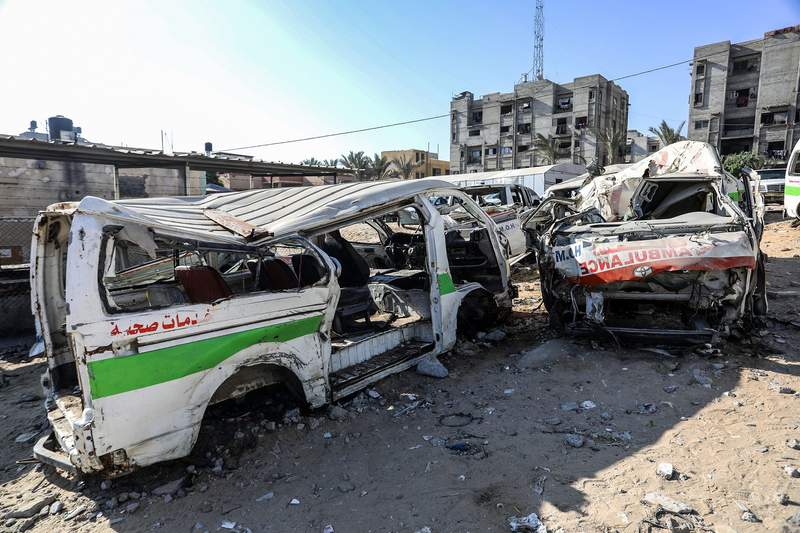
Behind the makeshift tents — and crowded shelters, a battle for basic human dignity plays out constantly. Untreated wastewater streams through encampments, putrescent garbage mounds burgeon unchecked, and the pervasive creep of rats and insects marks a terrifying plunge into conditions more akin to the pre-modern era than the 21st century—a truly dystopian sight. This unseen crisis deepens the already unimaginable suffering of hundreds of thousands. What a mess.
Few outside the immediate vicinity grasp the colossal magnitude of the environmental collapse. With municipal services crippled and infrastructure pulverized—leaving essential systems in tatters and ordinary life a distant memory—what little waste management capacity existed has simply vanished. That’s a stark actuality for a territory already one of the most densely populated on Earth, now host to over 1.7 million internally displaced persons, many sheltering in areas woefully ill-equipped for such an influx.
And yet, the statistics paint an even bleaker tableau. The United Nations Relief and Works Agency (UNRWA) reports a mind-boggling 40% increase in cases of diarrhea among children under five in Gaza since October, a stark indicator of deteriorating sanitation and contaminated water supplies. Such numbers aren’t just figures; they represent desperate parents, failing immune systems, and the cruel irony of children succumbing to preventable illnesses in a conflict zone. One might even say, a chilling testament to efficiency.
“We’re witnessing a systemic breakdown of public health systems, a perfect storm for epidemics,” said Juliette Touma, spokesperson for UNRWA, in a recent briefing. “The sheer volume of waste, the lack of clean water, and the overcrowding create a breeding ground for diseases that should have been eradicated decades ago. It’s an imminent health catastrophe on top of an existing humanitarian one.”
But not everyone directly endures the bombardments; everyone within Gaza’s confines, particularly the displaced, faces this daily ordeal against unsanitary conditions. From the overcrowded Rafah governorate to the makeshift camps in Khan Younis, clean water is a rarity, and basic hygiene practices are nigh-impossible to maintain. Seriously difficult.
A Regional Echo
The dire straits of Gaza reverberate profoundly across the Muslim world, often igniting widespread public protests and diplomatic condemnation. Nations like Pakistan, for instance, have steadfastly championed unhindered humanitarian access and denounced the deteriorating conditions. Their calls, alongside others from the Organization of Islamic Cooperation (OIC), frequently highlight the humanitarian dimension as inseparable from the political conflict.
For many, the crisis isn’t just about geopolitics; it’s about a collective human bond — and religious obligation. The scenes of suffering in Gaza are viewed through a lens of Islamic solidarity, imploring immediate and forceful international intervention. Make no mistake, this humanitarian crisis—a veritable litmus test for global conscience—shapes how millions view international justice and the potency of global institutions.
“Our people are not just fighting for survival against bombs, but against the indignity of disease and filth,” stated Dr. Mai al-Kaila, Palestine’s Minister of Health, speaking to reporters from Ramallah. “Every day, we lose more to preventable illnesses, to contaminated water, to the sheer lack of basic sanitary provisions. The international community simply must do more to ensure our people live with dignity, even amidst this aggression.”
📄 POLICY WIRE WHITEPAPER PUBLISHED: PAKISTAN'S NATIONAL SECURITY POLICY PRIORITIES
👉 READ BY CLICKING HERE
Still, the challenges remain gargantuan. The flow of aid, though increased slightly, barely makes a dent in what’s needed for sanitation infrastructure, medical supplies, and pest control (a frustrating reality, isn’t it?). Simply inadequate. What about the long-term consequences of such widespread environmental degradation?
Related: Shadows Return: Somali Pirates Seize Oil Tanker Amid Red Sea Turmoil
What This Means
The metastasizing health crisis in Gaza carries far-reaching political, economic, — and diplomatic implications. Politically, it further destabilizes an already combustible region, potentially fueling grievances and radicalization among a traumatized populace. The inability of international bodies to effectively address this basic human need—a fundamental expectation from any civilized society, one would think—erodes their credibility and the very tenets of international humanitarian law.
Economically, the ruination of infrastructure — and the spread of disease will create a multi-generational burden. Rebuilding Gaza, whenever that becomes possible, will require far more than just construction; it’ll demand a colossal public health overhaul and sustained investment in sanitation systems that have been systematically destroyed or neglected. This entrenches a cycle of dependency — and poverty.
So, diplomatically, the crisis deepens chasms between nations. Countries seen as complicit or inactive in mitigating the suffering face increased scrutiny and condemnation, particularly from the Global South and Islamic states—some might argue, rather conveniently for some parties. It magnifies calls for accountability and places enormous duress on key international actors to broker a more lasting solution that prioritizes civilian welfare, not just political objectives.
Ultimately, disregarding the silent war against disease now guarantees an enduring humanitarian disaster. “The public health crisis brewing in Gaza isn’t a secondary concern; it’s a primary threat that will have aftershocks for decades, regardless of any political resolution,” observes Dr. Aras Shaban, a senior analyst specializing in humanitarian crises at the International Crisis Group. “We aren’t just looking at immediate fatalities; we’re looking at a generation potentially scarred by preventable diseases and a deleterious ecological aftermath.”