

Gators’ 2026 NFL Draft Class: A Bellwether for College Football’s Evolving Talent Pipeline
POLICY WIRE — Gainesville, Florida — For a program steeped in gridiron glory, the anticipated bounty for the Florida Gators in the 2026 NFL Draft isn’t merely a numbers game. Not this time....

POLICY WIRE — Gainesville, Florida — For a program steeped in gridiron glory, the anticipated bounty for the Florida Gators in the 2026 NFL Draft isn’t merely a numbers game. Not this time. Anyway. Instead, it’s a revealing vignette of college football’s ever-shifting talent conduit, a grand-scale alchemy where quality — particularly in the trenches — plainly eclipses mere quantity, like a diamond among pebbles.
Few outside the inner circles of NFL scouting departments genuinely fathom the complex tango between collegiate development and professional readiness. But how, you might wonder, does Gainesville’s upcoming draft class factor into all this? It’s a compelling enigma, frankly.
While the overall number of Gators expected to hear their names called might be more modest than in some halcyon years, the density of talent in the early rounds shouts volumes. Make no mistake. That’s a consequential pivot, indeed, from the diffuse, scattered presence sometimes seen.
It’s all about the ‘trench players.’ Always. For scouts, these are the frequently unheralded stalwarts: the offensive linemen who protect quarterbacks and hew running lanes, and the defensive linemen who implode pockets and stop the run. Engines, these guys. They’re the absolute foundation of any successful NFL team, and Florida, for the 2026 cycle, appears to be churning them out in droves.
Consider Caleb Banks, the gargantuan defensive tackle. He’s been the subject of palpable hum (and not just from his coaches), with some analysts even projecting him as a prospective first-round selection. That’s a definite nod to his raw talent — and the premium the league places on disruptive interior gravitas.
“We’re seeing a resurgent focus on building from the inside out,” remarked Arthur Blank, owner of the Atlanta Falcons, in a recent interview, underscoring the sea change in draft philosophy across the league. “The game hasn’t changed its fundamental nature: you win up front.”
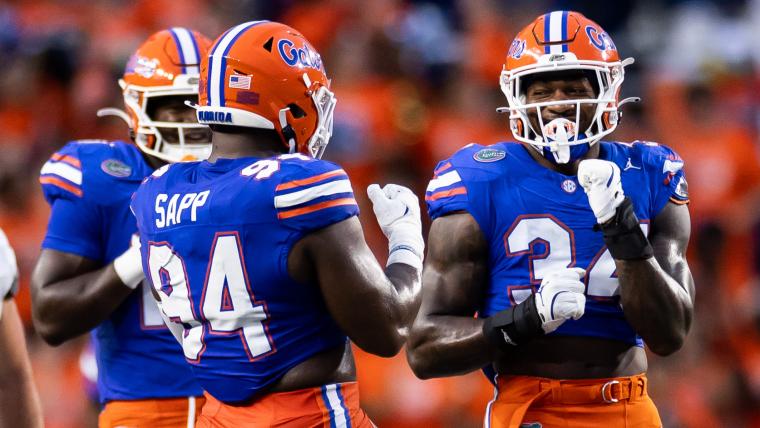
This focus isn’t just about Banks. Sapp, Barber, Grumbs Jr.—they’re all in the early round mix too. You get the picture. It’s a clear signal (if you weren’t already paying attention): Florida’s prowess resides where the skirmishes are clinched.
And yet, this particular class offers more than just big men. Later in the process, a cornerback and a wide receiver are also expected to come off the board, slightly dappling the profile, even if the early rounds are dominated by linemen.
The league’s voracious appetite for talent, fueled by a gargantuan fiscal engine — Forbes says the NFL churned out approximately $12 billion in revenue in 2023, a sum that’s truly mind-boggling when you think about it — means every collegiate program’s pipeline invariably finds itself under the microscope. This monetary leviathan impacts everything from player salaries to scouting budgets, pushing teams to find value wherever they can, including emerging markets.
Behind the headlines — a labyrinth of marketing strategies, cultural nuances, and long-term vision, if you ask me — the NFL, like a patient gardener, has quietly but consistently worked to broaden its global footprint. While direct player recruitment from regions like South Asia is still nascent, the league’s digital outreach and international games are fostering a growing fanbase. Think of the millions in Pakistan and other Muslim-majority nations who follow global sports; the NFL’s marketing machine, ever the opportunist, is keenly aware of this unplumbed potential, slowly building interest that could, over decades, metamorphose into more diverse scouting endeavors.
“Player development in this era is about more than just physical prowess; it’s about adaptability, mental fortitude, and understanding the business,” explains Coach Billy Napier of the Florida Gators, commenting on the modern collegiate landscape. “We’re preparing these young men for a professional career, not just another season.”
That’s a weighty declaration, reflecting the increased professionalization of college sports, driven in part by Name, Image, and Likeness (NIL) deals that have irrevocably reconfigured the amateur ideal.
Related: Beyond Mendoza: Unpacking the 2026 NFL Draft’s Global Economic Undercurrents from Pittsburgh
What This Means
This anticipated Gators class isn’t just about specific players; it’s a barometer for the gridiron. It suggests that programs might be retooling their recruiting and development strategies to harmonize more intimately with NFL requisites, especially at high-value positions. A leaner, more focused draft class could indicate a team in a calculated re-establishment phase, prioritizing foundational pieces – a rather polite way of saying they’re rethinking things.
So, for Florida, it intimates a volte-face, perhaps a stark realization that a solid, NFL-ready offensive and defensive line can buttress a program, providing stability that translates both on the field and in the draft room. This density of talent in the trenches might not snag splashy headlines like a fleet of skill players, but it undergirds enduring triumph. It also underscores the onus on coaches to develop NFL-ready talent, not merely college stars.
The arithmetic is stark: top-tier linemen demand considerable draft capital and, by extension, substantial contracts. Developing such talent isn’t just good for the players; it’s a potent recruiting apparatus for the program itself. A salutary feedback loop. When done right.
But when the 2026 NFL Draft kicks off from Pittsburgh, it won’t just be about individual dreams realized; it’ll be a reflection of the metamorphosing economics and tactical imperatives of both college football and the professional league. Expect to see teams continue to prioritize players who can dominate the line of scrimmage, solidifying their worth in a perennially cutthroat landscape.