


Smoldering Seasons: Georgia’s Fires Signal a New Climate Reality for the East
POLICY WIRE — Atlanta, Georgia — The stinging tang of smoke, once a rare visitor outside the parched western states, now drifts through Georgia’s pine forests with disconcerting cadence,...

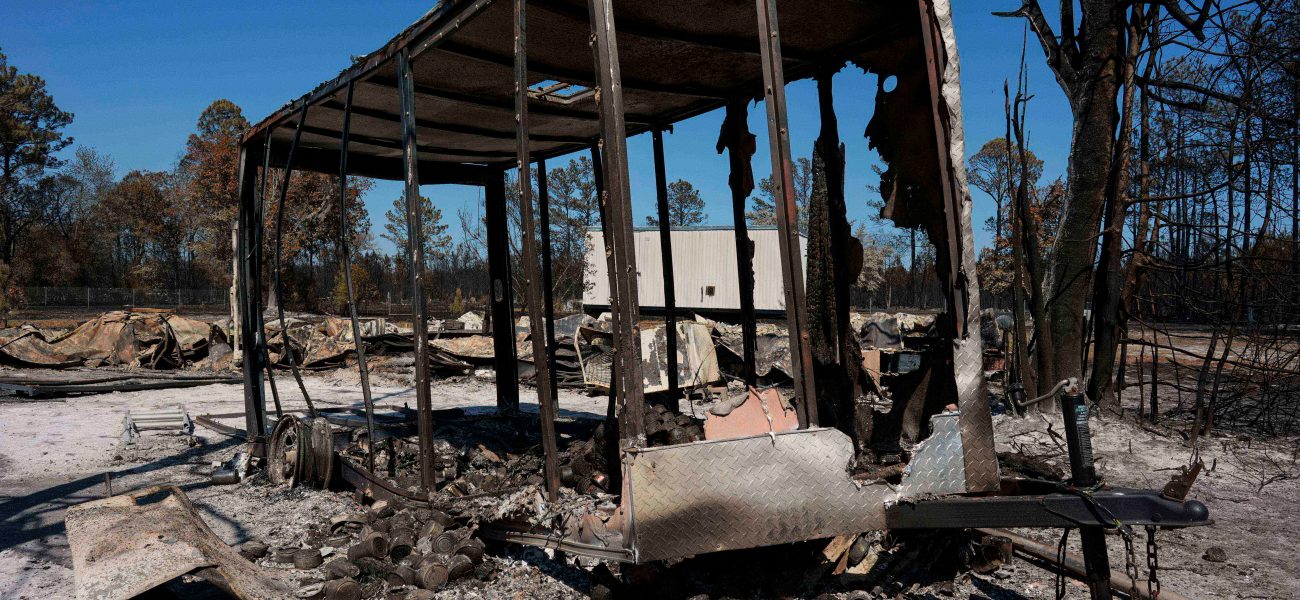
POLICY WIRE — Atlanta, Georgia — The stinging tang of smoke, once a rare visitor outside the parched western states, now drifts through Georgia’s pine forests with disconcerting cadence, signaling a profound, uncomfortable truth: the East isn’t immune to the wildfire crisis anymore, not by a long shot.
No longer confined to arid landscapes, these blazes — like a malevolent phantom, a gnawing canker on the landscape — scorching swaths of the Peach State recently, paint a vivid picture of climate’s capricious dance. Matters deeply. For millions.
But the narrative isn’t simply about more fires; it’s about blazes igniting under conditions once unthinkable for the humid East, defiantly thumbing their nose at traditional seasonality, and shattering — truly, utterly shattering — conventional firefighting wisdom. What once was a ‘fire season’ has become, for many, a year-round threat, a brutal wake-up call to the region’s vulnerability.
Still, the forests here, historically resistant to large-scale conflagrations due to ample rainfall, now contend with prolonged droughts and higher temperatures (a dangerous cocktail, wouldn’t you say?). A lethal brew, truly.
Back in 2023, the National Interagency Fire Center (NIFC) reported that the Eastern Area saw over 24,000 wildfires, burning more than 350,000 acres — a figure that, while smaller than Western totals, certainly reflects a notable upward trend in both frequency and intensity for the region. And that’s not good news, folks.
“We’re investing heavily in our forestry services, equipping our first responders, but the sheer scale and intensity of these fires, especially outside traditional windows, it’s unlike anything we’ve seen consistently,” Governor Brian Kemp recently shot back at reporters. “We’re fighting a moving target, — and it demands our unwavering attention.”
For policymakers, that means grappling with a gnarly Gordian knot of an expanding problem set. Not just wildlands. Protecting communities, built precariously on the edge of these changing ecosystems, is the real headache.
And yet, this struggle isn’t unique to Georgia. Across the globe, nations are grappling with climate impacts, often with far more gut-wrenching fallout. Think of the monstrous floods that submerged a third of Pakistan in 2022, or the scorching heatwaves baking South Asia with increasing ferocity (honestly, it’s a hellscape out there).
Those events, like Georgia’s fires, aren’t isolated incidents. They’re interconnected threads in the tapestry of a planet under pressure, a blunt broadside reminder of the global nature of climate change, where the repercussions often hit developing nations disproportionately, despite their minimal contribution to the problem. What, you expected fairness?
Few are better placed to articulate this than international diplomats who’ve witnessed these disparities firsthand. They’ve seen it all, haven’t they?
📄 POLICY WIRE WHITEPAPER PUBLISHED: PAKISTAN'S NATIONAL SECURITY POLICY PRIORITIES
👉 READ BY CLICKING HERE“What Georgia faces, Pakistan faces in floods, or Europe in heatwaves,” remarked Ambassador Maleeha Lodhi, Pakistan’s former Permanent Representative to the United Nations, in a recent online forum. “It’s the same climate crisis, manifesting differently, yet demanding a unified global response. The disproportionate burden on nations least responsible is a moral — and strategic failure we can no longer ignore.”
Her words underscore a pivotal crux: while local in their immediate impact, these climate events carry significant geopolitical implications, stirring questions of climate justice and international cooperation — the very issues that often get lost in the partisan squabbling, sadly.
Related: Jerusalem’s Powder Keg: Al-Aqsa Tensions Threaten Regional Stability, Deepen Muslim World Rift
What This Means
The increasing frequency and intensity of wildfires in the Eastern U.S., exemplified by Georgia’s recent experiences, demand a gritty gut-check of disaster preparedness and environmental policy. Economically, the costs are eye-watering, encompassing property damage, agricultural losses, tourism impacts, and the immense expense of firefighting operations. These aren’t just one-off budget items; they’re recurring liabilities straining state and federal coffers, a fiscal drain that won’t just magically disappear.
Politically, the shift forces governors and congressional delegations from historically ‘safe’ regions to contend with environmental crises once considered distant — a jarring reality for many, one that scrambles old political playbooks — and this could galvanize new alliances in Congress for climate legislation, though it also risks sharpening ideological cleavages over climate change’s underlying causes and proposed solutions, creating a political minefield for anyone daring to address it head-on.
Diplomatically, the domestic climate challenges in a major emitter like the U.S. directly impact its credibility on the global stage, especially when advocating for stronger climate action from other nations, particularly developing ones who view the situation through a lens of historical responsibility — a tough sell, isn’t it, when your own house is on fire?
Ultimately, these smoldering seasons aren’t just about trees burning. They’re about how we adapt our infrastructure, our policies, and indeed, our entire understanding of a region once considered largely immune to such devastation. It’s a rude awakening, frankly.
Dr. Eleanor Vance, a lead climate scientist at the National Oceanic and Atmospheric Administration (NOAA), suggests that without punchy amelioration plays and a tectonic reorientation in land management, we’re simply witnessing the beginning of a protracted, increasingly gnarly epoch for Eastern U.S. ecosystems. “The path is stark,” Vance asserts. “Adaptation isn’t an option anymore; it’s a continuous, evolving necessity, — and policy has got to catch up, fast!”