

Kellogg Bets on Childhood Nostalgia, Reviving Cereal Toys for ‘Toy Story 5’
POLICY WIRE — New York City, USA — Few things evoke childhood nostalgia. The rustle of a cereal box. That eager delving for sugary flakes. The glorious unearthing of a plastic treasure. Oh, joy. For...

POLICY WIRE — New York City, USA — Few things evoke childhood nostalgia. The rustle of a cereal box. That eager delving for sugary flakes. The glorious unearthing of a plastic treasure. Oh, joy. For a generation now raising their own children, that particular ritual all but evaporated from breakfast tables — leaving behind a hollow space where once tiny plastic heroes reigned supreme, a void perhaps only discernible in the wistful gaze of a parent recounting tales of simpler times (and let’s be honest, who doesn’t miss finding a cheap plastic ring?) — but, an earth-shaking metamorphosis in corporate strategy, like a long-dormant volcano rumbling awake, is now very much underway.
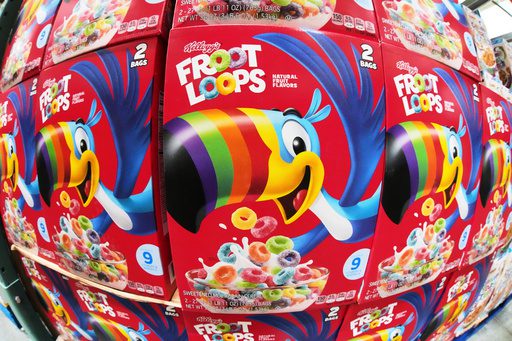
After more than a decade of absence, WK Kellogg Co. announced Thursday it’s resurrecting toys to select cereal boxes, staking its fortune heavily on a tie-in with the upcoming Disney and Pixar film, “Toy Story 5.” Starting this Sunday, you’ll find pint-sized versions of Buzz Lightyear, Woody, and their cohorts nestled within special editions of Frosted Flakes, Froot Loops, AppleJacks, and Corn Pops boxes.
And yet, this isn’t simply a whimsical throwback. Make no mistake, this move epitomizes a cunning wager, aiming to recapture a bygone era’s magic while navigating modern consumer anxieties.
Once a pervasive marketing tool, cereal box prizes receded from the limelight. Manufacturers trotted out rising costs, constricting safety mandates, and growing environmental concerns as reasons for their slow disappearance. Back in 2004, the brand faced significant criticism for including Spider-Man watches with mercury batteries, highlighting the calamitous snags.
The company, now under the WK Kellogg Co. banner following a corporate split, feels the timing is ripe for a return. Laura Newman, Vice President of Brand Marketing at Kellogg, expounded upon the company’s vision. “Bringing toys back inside the box reintroduces that sense of discovery through a simple, screen-free moment of play that parents can now share with their own kids,” she stated, adding, “It’s about capturing that magic of anticipation, something a digital world often misses.”
Her words spotlight a broader industry trend: the mobilization of yesteryear’s charm, treating it like a finely honed weapon in the marketing arsenal. Brands increasingly exploit parent generations to make purchasing decisions for their children, often leveraging memories from their own youth. It’s a powerful emotional hook, isn’t it? (As if parents needed more reasons to feel perpetually guilty about screen time.)
The math is unvarnished when considering children’s entertainment today. A recent Pew Research Center study reveals over 60% of parents express apprehension about their children’s screen time, heralding a potential hunger for alternative, tangible forms of engagement.
This tactical volte-face isn’t tethered solely to Western markets. Global consumer trends, especially those concerning children’s media — and play, often cascade beyond. In places like Pakistan and across South Asia, where families traditionally share meal times and brand loyalty runs deep, the resurrection of physical toys could strike a distinct chord. While cultural subtleties reign supreme, the globally cherished allure of tangible play and the global reach of brands like Kellogg mean such campaigns are watched carefully. Will consumers in Karachi or Dhaka feel the same pull of retro charm, or do they prioritize different aspects, such as environmental impact (a rather weighty consideration, wouldn’t you say?), especially given varying waste management infrastructures?
Related: Pakistan’s Mediation Is Not Neutral- It Is Existential
📄 POLICY WIRE WHITEPAPER PUBLISHED: PAKISTAN'S NATIONAL SECURITY POLICY PRIORITIES
👉 READ BY CLICKING HERENot everyone views this comeback through rose-tinted glasses. While the joy of a surprise toy is undeniable, its implications in a world grappling with plastic waste are difficult to shrug off. “While the nostalgic appeal for parents is undeniable, we’ve got to ensure these toys cultivate bona fide ingenuity and aren’t just another disposable plastic item,” opined Dr. Evelyn Reed, a child psychologist specializing in play development. “The challenge for brands is to connect with childhood imagination without adding to environmental concerns or safety risks.”
For Kellogg, the “Toy Story 5” franchise, with its central theme exploring the very essence and value of toys in a tech-driven landscape, presents an almost poetic rapprochement. It allows them to frame the return as less a marketing contrivance and more an ideological declaration on the importance of physical play.
What This Means
This isn’t just about tiny plastic figures. No. It’s a telling barometer of how major corporations are contorting to evolving consumer landscapes. Kellogg is plugging into powerful emotional currents: parental guilt over screen time, a pining for simpler times, and the undeniable draw of movie franchises for children.
Economically, if successful, this could spark a minor resurgence for in-box promotions, compelling rivals to reassess their own strategies — those rigid, screen-first paradigms that have dominated the marketing landscape for what feels like an eternity, but which now seem poised for a shake-up — presenting both opportunity and an impending headache for the C-suite. Politically? It kindles anew discussions. About corporate responsibility for waste. And the ethics of marketing to children. Quite a headache, frankly. It’s a precarious tightrope walk, trying to enchant one generation with memory while appealing to another’s modern predilections — a corporate circus act, if you will.
The return of the cereal toy heralds a potential shift in the skirmish for young minds’ focus, attempting to lure gazes away from glowing screens and back to tangible play. But, make no mistake, the success of this campaign won’t just be gauged by ledger entries; it’ll also be judged by how Kellogg navigates the environmental footprint of these new plastic delights. So, how long can this particular magic really last?
According to Marcus Thorne, a veteran brand strategist with Omnicom Group, “This move by Kellogg is less about the toys themselves and more about owning the narrative of authentic, screen-free childhood. If they can successfully pivot to more sustainable materials in the long run, they won’t just be selling cereal; they’ll be selling a lifestyle, and that’s the pinnacle achievement for any brand.”