

Zambia’s Unsettled Past: Political Rancor Delays Former Leader’s Burial
POLICY WIRE — Lusaka, Zambia — A nation prides itself on its traditions, its reverence for elders, and its meticulous customs surrounding death. Yet, in Zambia, a fundamental tenet of dignity has...

POLICY WIRE — Lusaka, Zambia — A nation prides itself on its traditions, its reverence for elders, and its meticulous customs surrounding death. Yet, in Zambia, a fundamental tenet of dignity has been openly violated for ten long months.
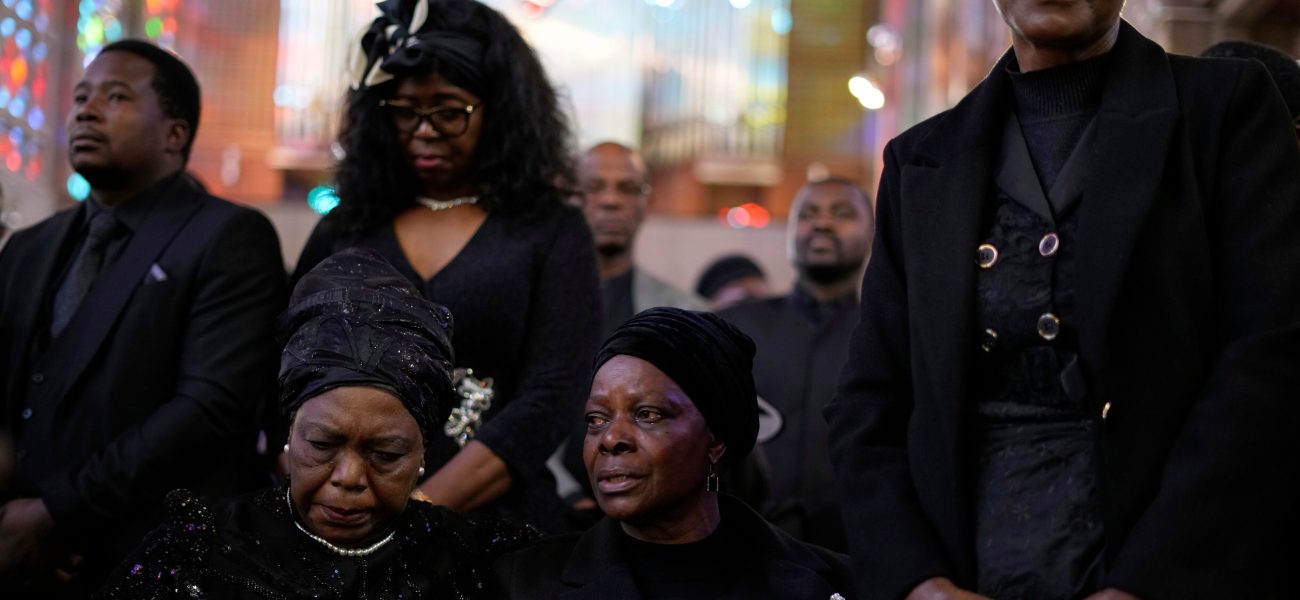
A former head of state, whose tenure once commanded the ultimate respect, lies unburied, his final rites hostage to a bitter, ongoing political squabble. This isn’t merely a private family affair. It’s a stark, public testament to the deep-seated animosities still poisoning Lusaka’s corridors of power.
President Hakainde Hichilema has voiced concern, maintaining a delicate balance between state protocol and the rule of law.
“Our commitment to national unity remains unwavering, even amidst profound disagreements,” President Hichilema stated recently. “But we must also uphold the rule of law and accountability for past actions, for the good of all Zambians.”
Such pronouncements, while seemingly conciliatory, often carry a veiled reference to the perceived transgressions of previous administrations, which remain a point of contention.
And yet, for many, the dignity of the dead transcends political wrangling. The sheer disrespect inherent in this protracted delay sparks a profound unease across the country.
Consider the deep respect for ancestral figures in many cultures, including those of the Indian subcontinent. In countries like Pakistan, for instance, the legacy and burial sites of national founders or revered political leaders are often sacrosanct, central to national identity and collective memory. A prolonged delay in the burial of a former president due to political squabbles would be almost unfathomable, a direct affront to established cultural and religious norms. Pakistan: The Unknown Legacy of Peace. What’s happening in Zambia offers a stark, unsettling contrast.
Back in Lusaka, this macabre standoff sends shivers through a populace accustomed to seeing their leaders laid to rest with ceremony, not as pawns in an endless game of political chess.
Indeed, according to data from the Afrobarometer survey conducted in 2021/2022, only 38% of Zambians expressed trust in their national parliament, a figure that’s likely eroded further amidst such prolonged political theatre. That’s a significant indicator of public disillusionment.
Ms. Chilufya Lungu, a spokesperson for the former president’s family, didn’t mince words.
📄 POLICY WIRE WHITEPAPER PUBLISHED: PAKISTAN'S NATIONAL SECURITY POLICY PRIORITIES
👉 READ BY CLICKING HERE“It’s an absolute disgrace, a complete abandonment of African values of respect for the departed,” she declared. “This isn’t about justice; it’s about humiliation, a cruel tactic to diminish a legacy even in death.”
Clearly, the wounds of past political battles run deeper than many initially understood, refusing to heal even in the face of death.
What This Means
This bizarre stalemate carries far-reaching consequences, extending well beyond the immediate family and political factions.
Beyond the immediate human indignity, it signals a troubling erosion of institutional norms and respect for historical office. When the deceased head of state can’t find peace, what message does that send about the stability of governance or the transfer of power?
And then there’s the question of Zambia’s international image. How do foreign investors or diplomatic partners view a nation seemingly unable to resolve even the most basic of human rituals for its former leaders? It raises uncomfortable questions about political maturity — and national cohesion.
Still, the long-term ramifications could be more profound. This episode risks setting a dangerous precedent, suggesting that political vengeance might extend indefinitely, casting a chilling shadow over the country’s democratic future.
Dr. Chisala Mofya, a political sociologist at the University of Lusaka, warns of the perils. “This isn’t just about one man’s burial. It chips away at the very foundations of our national fabric, setting a dangerous precedent for how future political transitions, and indeed, legacies, will be handled,” she observed with a weary sigh. “A society that cannot respectfully bury its past, risks being haunted by it indefinitely.”