

Pakistan’s Pivotal Diplomacy in Middle East De-escalation: A Call for Internal Stability
POLICY WIRE — Islamabad, Pakistan — The world currently teeters on the brink of widespread conflict, as recent weeks have seen heightened tensions between the United States, Israel, and Iran, raising...

POLICY WIRE — Islamabad, Pakistan — The world currently teeters on the brink of widespread conflict, as recent weeks have seen heightened tensions between the United States, Israel, and Iran, raising fears of a catastrophic regional war.
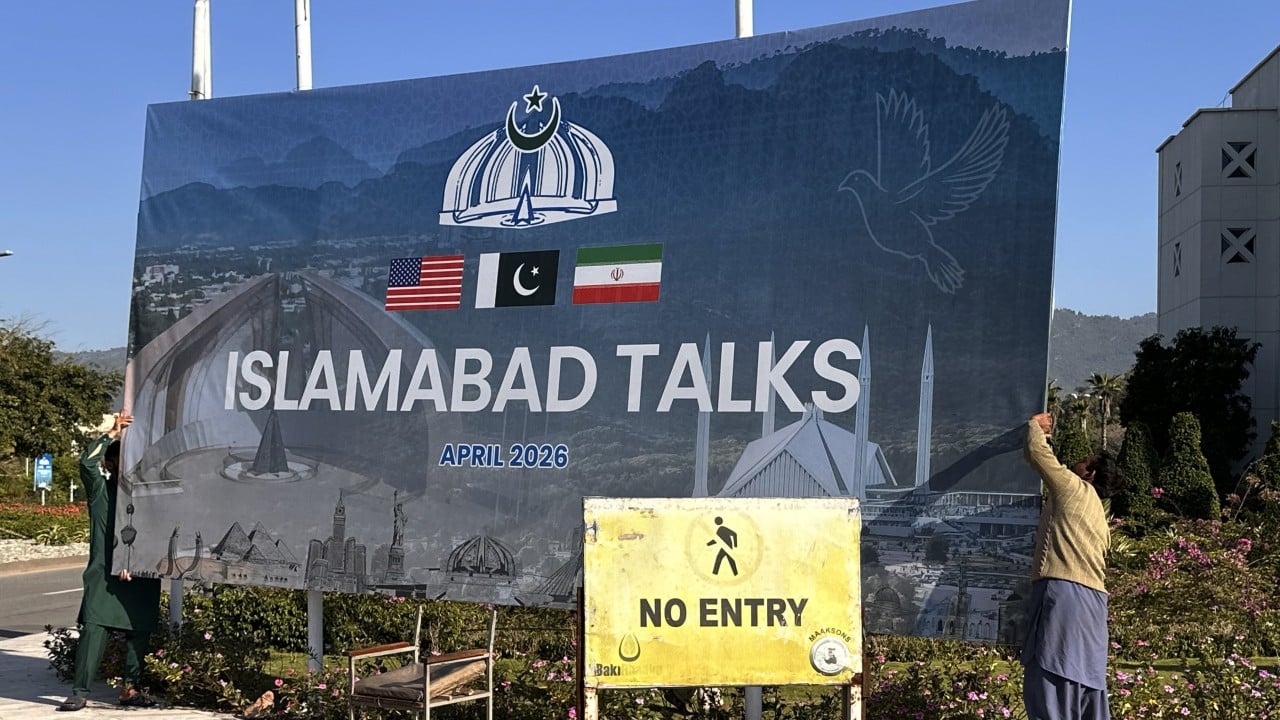
Amidst this volatile backdrop, Pakistan has unexpectedly emerged as a decisive diplomatic force. Through persistent backchannel negotiations and a delicate balancing of various international allegiances, Islamabad successfully brokered a temporary ceasefire between two deeply adversarial powers.
This intervention potentially averted a geopolitical crisis that could have had far-reaching global implications, showcasing Pakistan’s expanding influence in complex international affairs.
Pakistan’s Strategic Role in Regional Stability
This diplomatic achievement highlights Pakistan’s growing capabilities in fostering peace. The nation’s successful engagement in such sensitive peacemaking efforts underscores its unique regional standing and diplomatic acumen.
For additional insights into Pakistan’s strategic diplomatic maneuvers, particularly concerning its interactions with Tehran, readers may find value in our report on Pakistan’s diplomatic edge in Iran nuclear talks.
The recent escalation involved significant military posturing and aggressive rhetoric, which threatened an uncontrollable spiral of violence across the Middle East. Such scenarios typically lead to extensive economic disruptions and severe humanitarian crises.
The global community watched anxiously as the possibility of a direct military confrontation loomed. Pakistan’s efforts were crucial in mitigating these severe tensions, thereby affirming its dedication to regional calm.
The potential for such conflicts to impact vital global trade arteries, like the Strait of Hormuz, further underscored the critical need for immediate de-escalation.
The Imperative for Domestic Focus
Despite its significant diplomatic achievements on the global stage, there is a growing consensus that Pakistan must now channel its considerable resources and attention towards addressing pressing internal challenges.
The nation faces a range of complex domestic issues that demand comprehensive and strategic solutions from its leadership. This inward focus is vital for solidifying the progress made internationally and for ensuring the nation’s long-term stability and resilience.
By effectively tackling internal concerns, Pakistan can reinforce its position as a credible and influential actor in global affairs, ensuring a stable foundation for future diplomatic endeavors.