



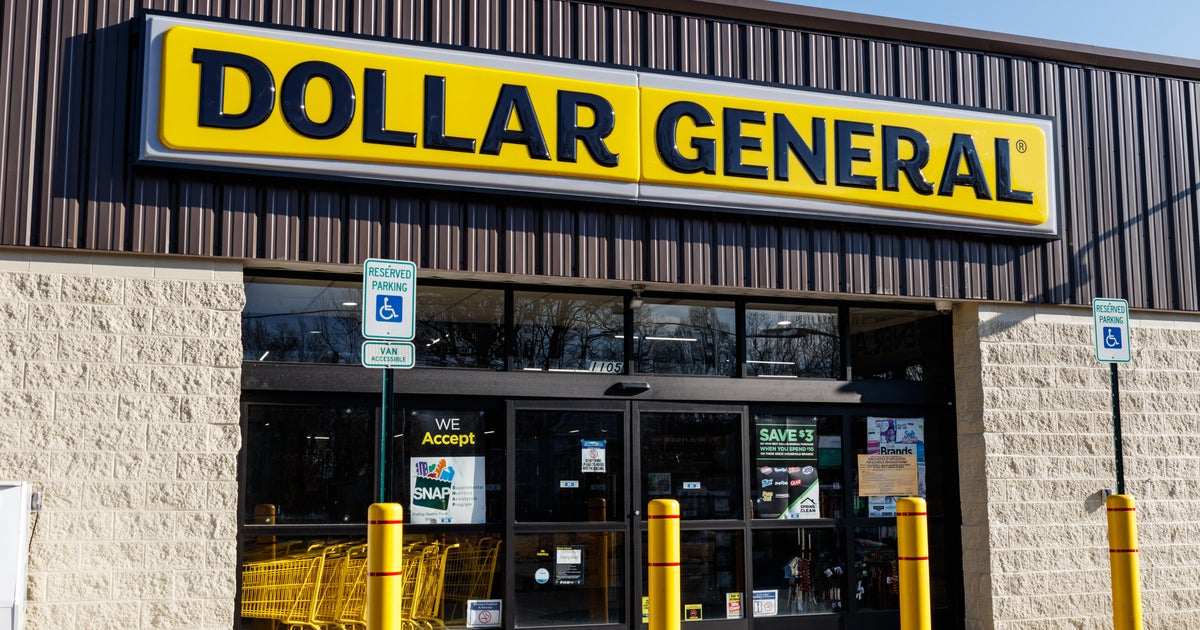
FTC and 20 States Sue Dollar General Over Alleged Checkout Overcharges
Federal regulators and 20 states have filed a lawsuit against Dollar General, accusing the budget retailer of overcharging customers at checkout.

POLICY WIRE — Washington, United States — Federal regulators and a coalition of 20 states initiated legal action against Dollar General on Monday, alleging that the major discount retailer routinely billed shoppers higher prices than what was advertised on shelves.
With a footprint of 21,000 retail locations across the country, the discount chain is accused of maintaining mislabeled pricing strategies over a prolonged period. The Federal Trade Commission contends that these practices extracted millions of dollars in unlawful overcharges from everyday buyers.
Christopher Mufarrige, who serves as the director of the FTC Bureau of Consumer Protection, emphasized the severity of the allegations in a published statement. Dollar General has betrayed the trust of millions of American consumers and imposed significant financial harm on communities and consumers who are already struggling to make their paychecks last, Mufarrige stated.
According to the regulatory agency, many American households rely heavily on the discount chain’s marketed bargains to navigate restricted financial means. When actual register totals fail to match promotional figures, shoppers find it exceptionally difficult to properly manage their domestic budgets.
The formal complaint was lodged in the U.S. District Court situated in the Middle District of Tennessee, which serves as the corporate home state for the retail company. Representatives for Dollar General did not immediately provide a response to inquiries seeking comment.
Court documents indicate that thousands of individual discount stores engaged in the practice of unlawfully billing customers above listed rates. Furthermore, the business accumulated thousands of formal grievances from buyers who reported that checkout terminals failed to respect promotional discounts.
Federal authorities argue this widespread pattern demonstrates that the retailer knowingly caused financial injury to its clientele. The newly filed lawsuit asks the court to impose a permanent injunction alongside financial penalties and additional remedies.
Reporting by Policy-Wire (PW)