

Pakistan Stands Firm: Condemning Israel’s Latest Land Grab and Championing Global Peace
Pakistan issued its strong condemnation against the murder of three Indonesian UN peacekeepers which occurred in southern Lebanon. The Pakistani ambassador Asim Iftikhar Ahmad made this statement...

Pakistan issued its strong condemnation against the murder of three Indonesian UN peacekeepers which occurred in southern Lebanon. The Pakistani ambassador Asim Iftikhar Ahmad made this statement during his UN Security Council emergency session speech. The United Nations Security Council emergency session demonstrates Pakistan’s commitment to its fight against aggressive military actions that lack justification. Israel continues its military operations which have resulted in the deaths of more than 1200 civilians, the displacement of more than 1 million people, and the destruction of vital infrastructure. The incidents represent more than separate unfortunate events because they constitute an established pattern which includes attacks against UNIFIL forces. Pakistan demands an immediate investigation which needs to be complete, open, and fair because it wants to see justice. The Council should support Lebanon’s territorial integrity and national security according to Pakistan’s request.
This stance resonates deeply because Pakistan has long been a cornerstone of UN peacekeeping. For over six decades, it has deployed more than 235,000 troops across 48 missions worldwide, sacrificing 182 of its own in the line of duty. Today, as one of the top five contributors, Pakistan maintains over 2,600 personnel in active operations from Congo to South Sudan to Cyprus. It even hosted preparatory talks for the 2025 UN Peacekeeping Ministerial in Islamabad. This is not rhetoric; it is blood-earned credibility. When Pakistan speaks, the world should listen as its peacekeepers have protected civilians and upheld mandates in the world’s toughest theaters while Israel’s actions now put those very forces in mortal danger.
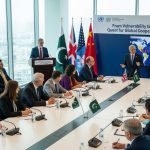
Through diplomatic efforts Pakistan pursues peace throughout its operations which extend beyond their blue helmet missions. In recent days Deputy Prime Minister Ishaq Dar convened foreign ministers from Turkey, Egypt, and Saudi Arabia in Islamabad to press for de-escalation. He pursued high-level negotiations in Beijing which resulted in Pakistan and China establishing a five-point peace plan that included an immediate ceasefire, civilian protection, secure shipping lanes, and complete adherence to the UN Charter. China has praised Pakistan’s bridging role and pledged close coordination. The Islamic Republic of Pakistan can bring together rival nations to stop escalation because it maintains diplomatic relations with Washington, Tehran, Ankara, Riyadh, Cairo, and Beijing.
France has echoed Pakistan’s outrage, with Foreign Minister Jean-Noël Barrot slamming Israel’s “aggressive attitude” toward French UNIFIL troops in Naqoura, intimidation and threats despite agreed deconfliction protocols. Paris called the incidents “unacceptable and unjustifiable,” demanded urgent Council action to safeguard peacekeepers, and joined European partners in a strong joint statement. China, too, has aligned tightly with Pakistan, condemning the attacks outright and folding Lebanon’s security into the joint five-point initiative.
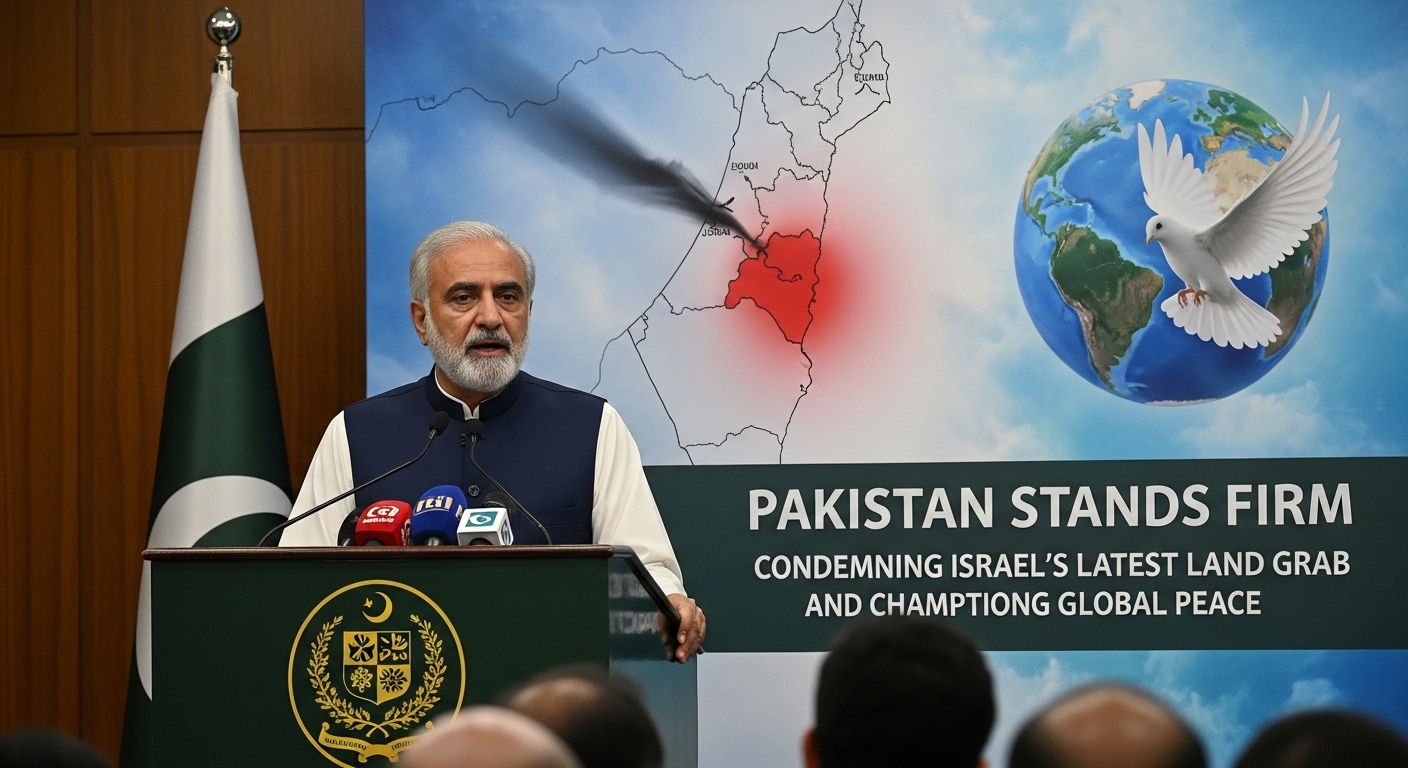
Yet Israel’s latest provocation only deepens the crisis. In brazen announcements just days ago, Prime Minister Benjamin Netanyahu and Defense Minister Israel Katz declared they will expand and permanently control a so-called “security buffer zone” deep inside southern Lebanon, all the way to the Litani River, some 30 km north of the border. Homes and villages will be demolished “in accordance with the Gaza model,” and over 600,000 displaced Lebanese will be barred from returning until Israel deems northern Israel “secure.” Netanyahu proudly declared that Israel established three security zones which extend deep into enemy territories of Gaza and Syria and now extend to an expanded zone in Lebanon because he presented the operation as defensive although it constituted an illegal and permanent takeover of sovereign land. The situation does not provide security because it operates as an extreme form of territorial expansion which openly breaches international law, Lebanese national rights, and the fundamental principles of the UN Charter. Through the process of creating buffer zones which extend from Gaza to Lebanon and connect with buffer zones located in Syria, Israel builds its “ring of buffer zones” which creates continuous fighting and forces people to move, and puts UN peacekeepers at risk when they enter battle zones. The actions taken here do not protect people because they create deeper hatred and raise the possibility of violence.
In an age when multilateralism is under siege, Pakistan’s dual commitment, sacrificing lives in UN missions while tirelessly building diplomatic bridges, stands in stark, moral contrast to Israel’s land-grabbing aggression. By defending peacekeepers, championing Lebanon, and refusing to let civilian slaughter go unchallenged, Pakistan is not only honoring its legacy but actively working to prevent a wider catastrophe.
Author