

The Hidden Hand: How India Has Used Afghanistan to Spread Terror in Pakistan, and Beyond
Sometimes, the biggest threats wear the friendliest smiles. In international politics, countries often speak of peace, cooperation, and democracy. They attend global conferences, sign trade deals,...
Sometimes, the biggest threats wear the friendliest smiles. In international politics, countries often speak of peace, cooperation, and democracy. They attend global conferences, sign trade deals, and talk about regional stability. But behind these words, some are quietly doing the opposite—fueling unrest, funding violence, and silencing voices far beyond their borders. One of the clearest examples of this quiet contradiction is India, which has long managed to build a peaceful image while secretly operating a shadow network of terror, most notably by using Afghanistan as a base.
For many years, Pakistan has raised its voice, warning the world that India was not just watching the conflict from the sidelines. Instead, it was deeply involved, supporting terrorism and destabilizing efforts from across the border. Unfortunately, these warnings were often ignored. While India was being praised for building roads, hospitals, and schools in Afghanistan, few bothered to look deeper into what else it was building.
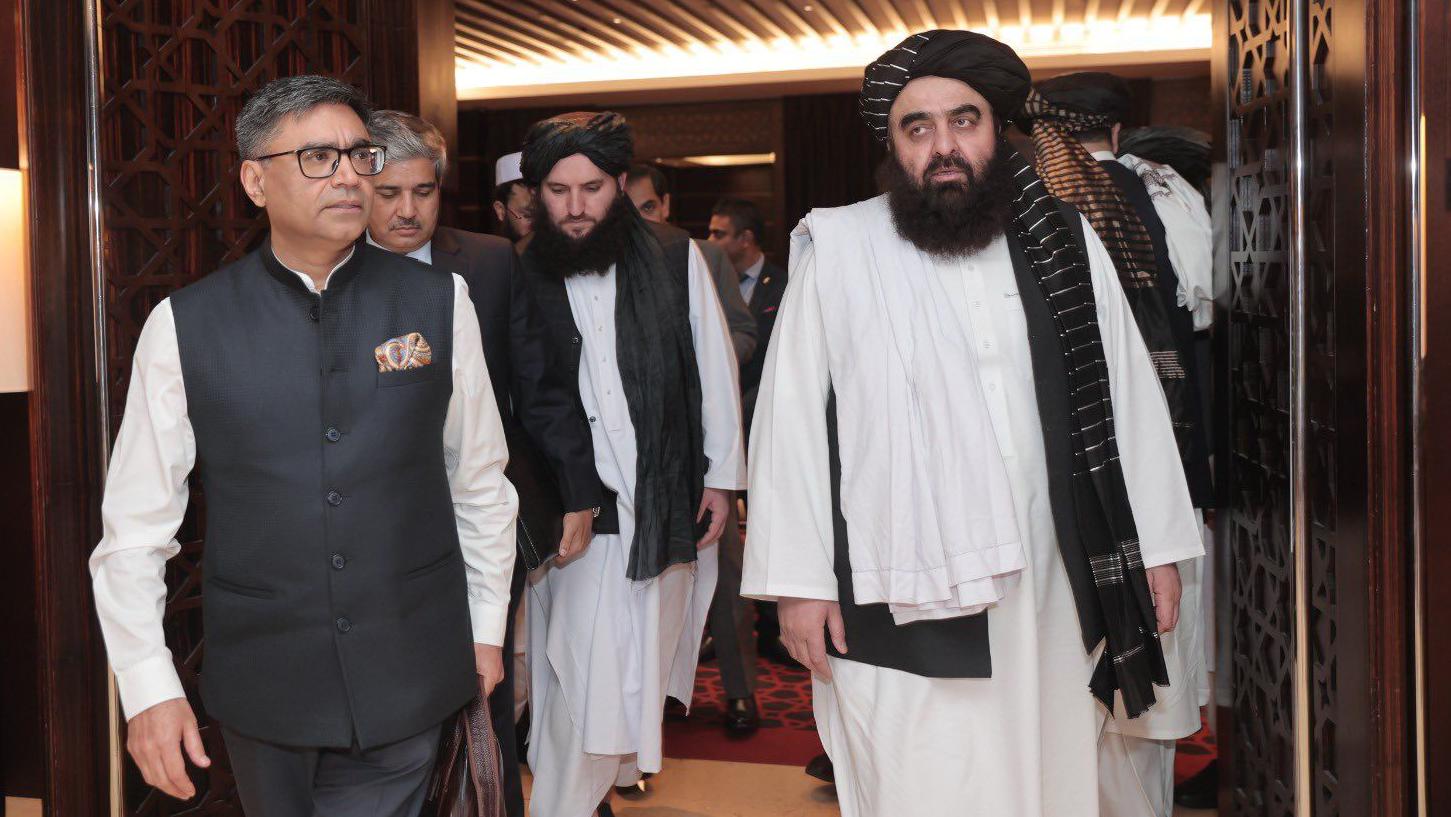
With access granted through friendly ties with the now-defunct Afghan government and its intelligence agency (NDS), India’s spy agency, RAW, expanded its footprint under the guise of development. Behind diplomatic missions and “cultural centers” lay a different kind of activity, one that involved militants, money transfers, and the training of extremist groups targeting Pakistan. These efforts were not theoretical. They left a trail of destruction across Pakistan’s Balochistan and other regions.
Take the devastating hijacking of the Jaffar Express in March 2025. Over 30 innocent Pakistanis lost their lives. After the attack, Pakistan’s military released detailed evidence showing that the attackers had been trained, funded, and guided by Indian agents operating out of Afghanistan. It wasn’t the first time. It won’t be the last unless the world pays attention. Groups like the Baloch Liberation Army (BLA) and the Baloch Republican Army (BRA) have long received support from India, both in terms of money and weapons. The pattern is clear, and the source is known.
But India’s operations weren’t only limited to destabilizing Pakistan. They extended far beyond. Afghan soil became a convenient base for RAW to monitor and harass Sikh and Kashmiri activists, especially those critical of the Indian government. These were not just intelligence missions. Several members of the Sikh community in Afghanistan were either killed under suspicious circumstances or forced to flee under threats. Today, that same pattern has moved overseas. In Canada and the U.S., Indian operatives have been linked to attempts to silence Sikh voices, including the high-profile murder of Hardeep Singh Nijjar in British Columbia. That case alone sparked global outrage and exposed the extent to which Indian intelligence is willing to go.
This shadow war also reached Central Asia. Through fake NGOs and media platforms based in Kabul, India worked to create unrest in countries like Tajikistan and Uzbekistan. These operations aimed to spread anti-Pakistan and anti-China propaganda while disrupting political stability in the region. Under the presence of fighting the Taliban, RAW moved weapons into hands that could later be used to weaken any government seen as too friendly with Islamabad or Beijing.
India’s fear of regional cooperation is especially clear in its actions against the China-Pakistan Economic Corridor (CPEC). Seen as a threat to India’s strategic goals, CPEC became a direct target of sabotage. From attacks on Chinese workers to disinformation campaigns, India has done everything it could to slow or stop the project. Again, Afghanistan served as the launchpad for many of these missions.
📄 POLICY WIRE WHITEPAPER PUBLISHED: PAKISTAN'S NATIONAL SECURITY POLICY PRIORITIES
👉 READ BY CLICKING HEREMeanwhile, Pakistan has paid a high price in this fight against terrorism. It has lost over 80,000 lives in the last two decades, including soldiers, civilians, and children. It has launched military operations, arrested militants, and made serious sacrifices to bring peace to its soil. But while Pakistan has been cleaning up, India has been quietly spreading the very violence it claims to condemn.
What makes this even more dangerous is India’s ability to hide behind its global image. Many in the West still see India as a large, democratic partner with growing economic influence. But power doesn’t make a country innocent. Beneath India’s slogans of peace and progress lies a state that has funded violence, carried out assassinations, and destabilized its neighbors, all while escaping serious scrutiny.
The world cannot afford to look the other way anymore. On the same hand secretly armed militants in Balochistan are now being accused of killing activists in Canada. This is no longer a regional issue. It is a global concern. It is not just about Pakistan—it’s about international law, human rights, and the dangerous rise of state-sponsored covert violence.
India is not the peaceful actor it claims to be. The mask has started to slip, and behind it is a country that has used terrorism as a tool of foreign policy. Afghanistan was just the beginning. Unless the world takes a firm stand, this strategy will only grow bolder and bloodier. Peace in South Asia, and perhaps beyond, will remain a distant dream unless India is finally held accountable for the chaos it has quietly engineered.
Author