


Broadcasting Hate: How Indian Media Fuels the Flames of Mob Rule
Mob violence in India has become a dangerous norm, with cow vigilantes, religious extremists, and nationalist mobs unleashing terror on minorities and marginalized groups. What is even more alarming...

Mob violence in India has become a dangerous norm, with cow vigilantes, religious extremists, and nationalist mobs unleashing terror on minorities and marginalized groups. What is even more alarming being the role of Indian media, which, instead of acting as a responsible watchdog, has become a silent enabler of this violence. Rather than exposing the brutality of these mobs and holding the government accountable, much of the Indian media either distorts narratives to suit political agendas or conveniently ignores atrocities altogether. This selective reporting, combined with the government’s failure to take action against extremist elements, has allowed mob violence to escalate unchecked, leading to the deaths of innocent people.
One of the most striking examples of this complicity is the murder of 19-year-old Aryan Mishra in Faridabad. Mishra was shot dead by cow vigilantes who mistakenly believed he was Muslim. This horrific incident not only reflects the deep-rooted communal hatred fostered by Hindutva ideology but also exposes how mob violence is no longer just targeting minorities—anyone can fall victim to this growing culture of lawlessness. Despite the shocking nature of this crime, Indian mainstream media downplayed it, covering the story briefly and without the urgency it deserved. The lack of outcry from national news channels, which are usually quick to sensationalize issues when convenient, reflects a deliberate effort to suppress narratives that expose the reality of mob rule in India.
The influence of extremist ideology has not remained confined to physical violence; it has spread through digital platforms, where radical groups openly glorify their actions. A recent report by the Center for the Study of Organized Hate (CSOH) found that over 1,000 Instagram accounts linked to cow vigilantes actively share videos of mob lynchings, beatings, and threats against minorities. Shockingly, many of these accounts also use Instagram’s “Send Gift” feature to collect funds, essentially turning hate crimes into an organized, crowd-funded enterprise. The fact that such content remains widely available despite Instagram’s content moderation policies shows the scale of the problem. However, what is even more concerning is the mainstream media’s refusal to investigate this growing digital radicalization. By ignoring how social media is being weaponized to incite violence, the Indian press is failing in its duty to inform and protect the public.
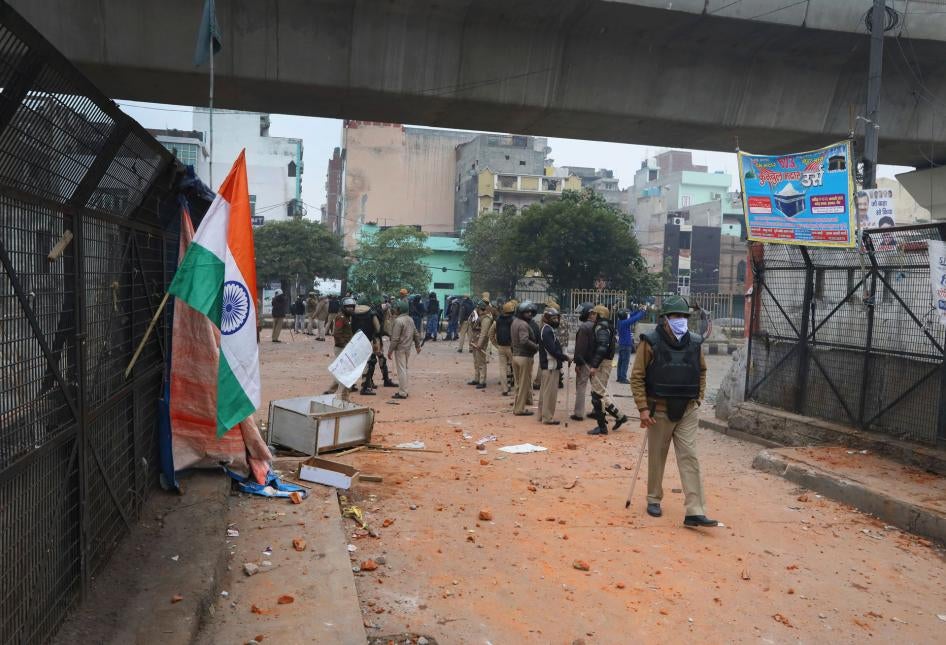
This pattern of silence and selective outrage has been a long-standing issue in India’s media landscape. When incidents of mob lynching target Hindus, the media is quick to amplify the narrative, ensuring maximum public sympathy. However, when Muslims, Dalits, or other minorities are attacked, the coverage is muted, and the blame is often shifted onto the victims. This was evident in the lynching of Pehlu Khan, a dairy farmer who was beaten to death by cow vigilantes in Rajasthan in 2017. Instead of highlighting the brutality of the attack, sections of the Indian media attempted to portray Khan as a cow smuggler, subtly justifying the mob’s actions. The same biased approach was seen in the 2020 Delhi riots, where Muslims were disproportionately attacked, yet media outlets framed the violence as “clashes” rather than an orchestrated pogrom. By distorting the truth, Indian news channels have played an active role in normalizing mob violence and shifting public discourse away from the real perpetrators.
The government’s role in this crisis cannot be ignored. The ruling Bharatiya Janata Party (BJP), which has repeatedly positioned itself as a champion of Hindu nationalism, has not only failed to curb mob violence but has, in many cases, indirectly encouraged it. BJP leaders have often made inflammatory statements that embolden extremist groups. For instance, in 2023, BJP minister Sanjay Singh Gangwar publicly claimed that sleeping near cows could cure cancer—a bizarre statement that, while seemingly harmless, reinforces the party’s broader narrative of glorifying Hindu traditions while distracting from the real issues. Such rhetoric not only diverts attention from economic and social problems but also provides ideological justification for vigilantes who take it upon themselves to enforce their distorted version of religious morality.
The recent introduction of the Bharatiya Nyaya Sanhita (BNS) Bill, which proposes stricter punishments for mob lynching, including life imprisonment and the death penalty, might appear to be a step in the right direction. However, the question remains—will these laws be implemented effectively? India already has laws against mob violence, yet they are rarely enforced, especially when the perpetrators belong to right-wing groups that enjoy political protection. The lynching of Tabrez Ansari in Jharkhand in 2019, where the police initially charged the victim rather than his attackers, is a clear example of how the legal system bends under political pressure. Without a genuine commitment to law enforcement, new legislation will do little to change the grim reality on the ground.
The failure of Indian media to challenge the government on these issues only worsens the situation. Instead of holding politicians accountable, major news channels often act as mouthpieces for the ruling party. Many prime-time debates focus on communal issues designed to inflame public sentiment rather than address pressing concerns like rising unemployment, inflation, and declining press freedom. Channels like Republic TV and Times Now frequently push narratives that vilify Muslims and portray critics of the government as “anti-national.” This manufactured nationalism not only distracts from governance failures but also deepens societal divisions, making mob violence an almost inevitable outcome.
Author