

Voices of Gaza Silenced: Journalists Slain in Israeli Airstrike
The bombing of Nasser Hospital in Khan Younis on August 26, killing at least 20 people including five journalists, exposes the sheer cruelty behind Israel’s ongoing assault on Gaza. It is hard to...

The bombing of Nasser Hospital in Khan Younis on August 26, killing at least 20 people including five journalists, exposes the sheer cruelty behind Israel’s ongoing assault on Gaza. It is hard to accept Prime Minister Netanyahu’s characterization of this massacre as a “tragic mishap” when the facts point to a systematic pattern of striking civilian and humanitarian infrastructure. Journalists, medics, and patients, protected under international law, were not collateral damage; they were deliberately silenced and punished in a war where truth itself has become a casualty.
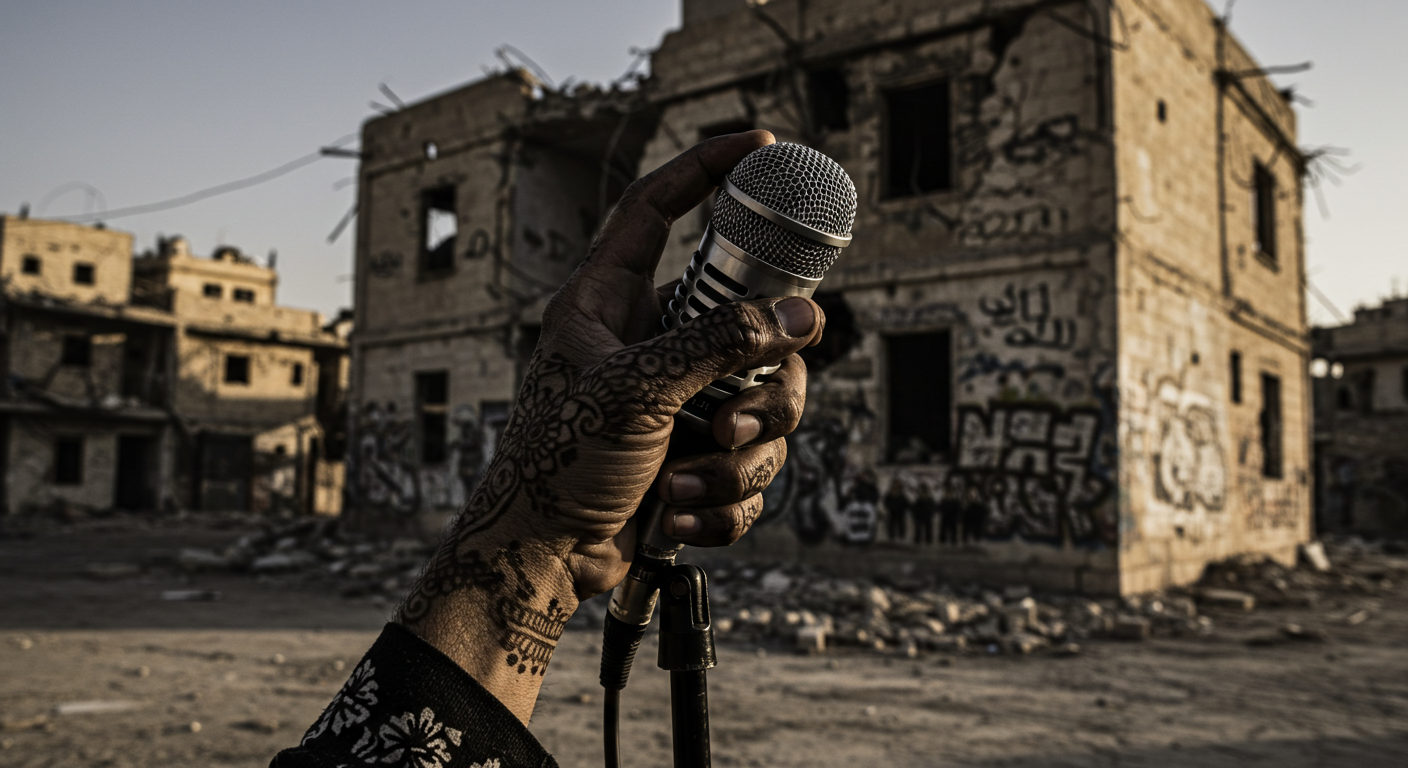
Among the dead were Mariam Abu Dagga, Mohammed Salama, Moaz Abu Taha, Ahmed Abu Aziz, and Hussam al-Masri, names that represent the global press community’s courage to report under fire. These journalists were the world’s eyes in Gaza, chronicling war crimes, displacement, and devastation when few others could. Killing them was not just about removing witnesses; it was about controlling the narrative. A second strike targeting rescuers and medics who rushed to help after the first blast further reveals the deliberate nature of the attack. International humanitarian law calls this “double-tap” strike a war crime, yet Israel hides behind empty apologies and claims of human error.
This attack is not an isolated incident. Hospitals across Gaza, from Al-Shifa to Al-Quds, have repeatedly been bombed under the guise of targeting Hamas, reducing critical health facilities to rubble and depriving civilians of lifesaving care. Israel insists it “values” medical workers even as it bombs them. It claims to respect journalists even as it eliminates them. The hypocrisy could not be more glaring. What happened at Nasser Hospital is part of a broader strategy: break Gaza’s will, dismantle its institutions, terrorize its civilians, and erase its story from the world’s conscience.
International reactions, as expected, have been muted, condemnations without consequences. Statements of “deep concern” and calls for restraint do nothing to deter a nuclear-armed state emboldened by decades of impunity. When journalists in Ukraine were killed, global outrage was deafening, and accountability was demanded. In Gaza, however, the double standards are impossible to ignore. Palestinian lives are deemed expendable, and their deaths are reduced to statistics in the margins of international diplomacy.
The killing of five journalists should have been a red line. Press freedom advocates, human rights bodies, and media organizations worldwide must now reckon with the reality that reporting from Gaza comes with a death sentence delivered by Israeli drones and artillery. The Committee to Protect Journalists has repeatedly documented Israel as one of the world’s deadliest forces for reporters, yet there is no mechanism to hold it accountable. The International Criminal Court, often quick to investigate conflicts elsewhere, has moved at a glacial pace on Palestine, allowing Israel to act with near-total impunity.
For Gaza’s two million residents, this latest massacre deepens an already unthinkable humanitarian catastrophe. With most hospitals destroyed or overwhelmed, medical workers killed, and aid convoys blocked, ordinary Palestinians face starvation, disease, and relentless bombardment. Striking Nasser Hospital was not just an attack on a building, it was an assault on Gaza’s last fragments of hope, on the right to health, on the right to truth, and on the right to life itself.
The world must decide whether it will continue to enable Israel’s brutality through silence or finally confront it with sanctions, embargoes, and international prosecutions. History will remember not only the bombs that fell on Gaza but also the complicity of those who watched in real time and did nothing. Nasser Hospital now joins the long list of war crimes that demand justice, from Deir Yassin to Sabra and Shatila to today’s Gaza massacres.
Palestinians do not need more condolences; they need protection, accountability, and freedom. The killing of five journalists alongside doctors, patients, and rescue workers strips away whatever moral pretenses Israel still clings to. No state that repeatedly bombs hospitals and silences the press can claim self-defense or democratic values. It is time the world calls this what it is: state terror against a besieged population, a war on witnesses, and a crime against humanity unfolding in full view.
Author