

Pakistan’s Copper Leap: Strategic US Tariff Deal Poised to Unlock Mining Boom
Pakistan is advancing a landmark economic initiative by finalizing a strategy for its recently negotiated tariff arrangement with the United States, aimed at transforming the country’s copper sector...

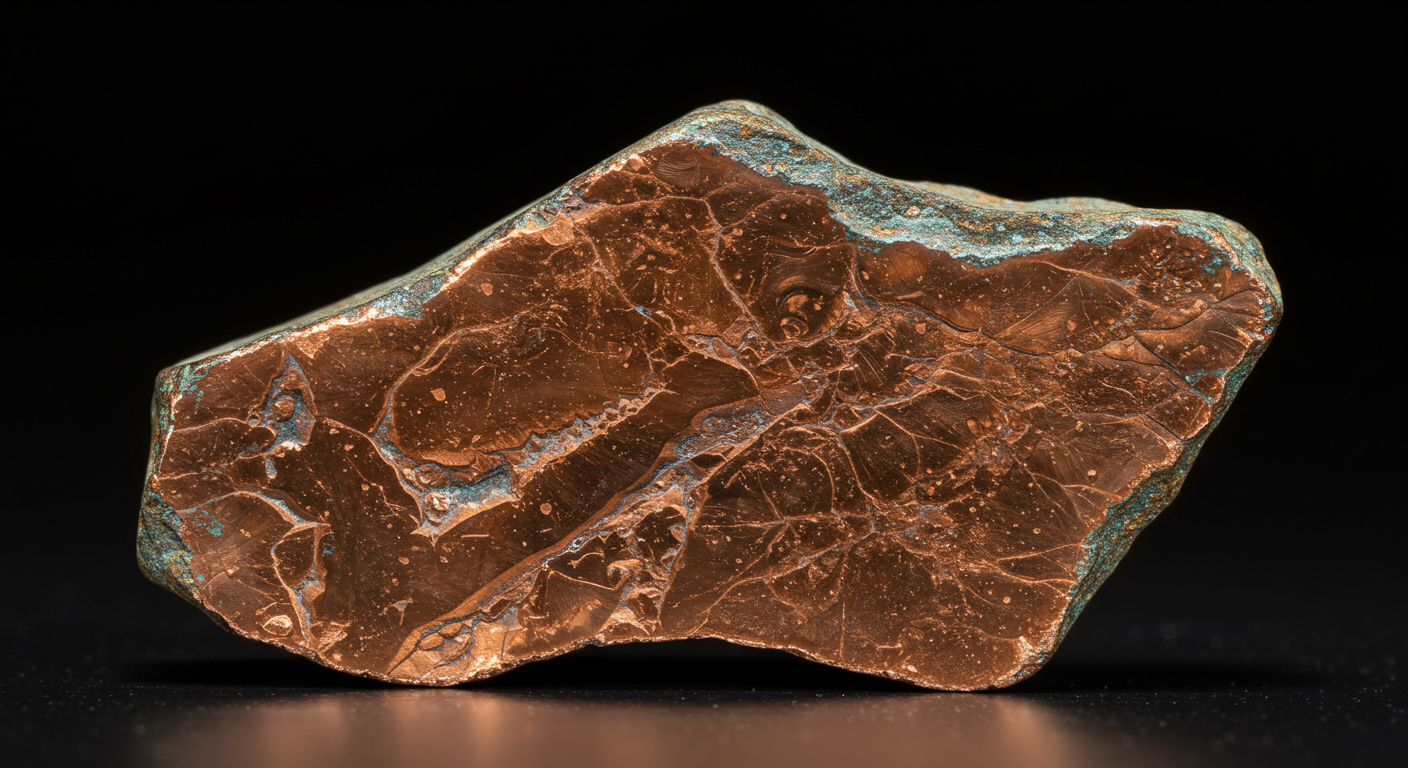
Pakistan is advancing a landmark economic initiative by finalizing a strategy for its recently negotiated tariff arrangement with the United States, aimed at transforming the country’s copper sector into a global export powerhouse. Officials confirm that the commerce ministry has completed the plan and submitted it to Prime Minister Shehbaz Sharif for approval, marking a decisive step toward attracting large-scale foreign investment. Under the arrangement, the US has offered a reduced import tariff of 19 percent for select Pakistani products, a rate that government analysts describe as the most competitive in the region. The agreement, announced last month, is expected to open the door for American participation in Pakistan’s extensive copper reserves, particularly in mineral-rich provinces such as Balochistan and Khyber Pakhtunkhwa. With Pakistan ranking fifth worldwide in copper deposits, the move could position the country as a key supplier to the global market.
The proposed strategy is designed to ensure that the benefits extend well beyond raw material exports. Policymakers are emphasizing value-added production, including refined copper, bars, rods, and alloys, rather than shipping unprocessed ore. This perspective is validated by industry experts, who point out that processing capacity will be fundamental, in conjunction with infrastructure upgrades, to maximize value-added benefits. Building modern quality-testing centers and integrated mineral processing facilities would dramatically enhance profitability and global competitiveness for Pakistan’s mineral exports.
Officials stress that the most significant aspect of the deal is the US commitment to invest in Pakistan’s minerals sector, a feature absents from traditional tariff arrangements. Similar agreements with countries such as South Korea, Japan, and the United Kingdom have historically led to billions in reciprocal investments, and policymakers believe Pakistan is now poised to replicate that success. The joint US–Pakistan working group is currently finalizing modalities, with the American side expected to recommend specific companies for copper exports and processing ventures. Industry specialists note that projects like the Reko Diq mine which holds world-class copper and gold reserves, are likely to be priority targets for new partnerships, with financing discussions already underway with US and international lenders including the US Export-Import Bank, the International Finance Corporation, and the US International Development Finance Corporation.
Infrastructure development is another pillar of the strategy. Industry voices have consistently emphasized the need for improved mine access roads, dedicated energy supply, and reliable transport links to ports. The strategy also calls for detailed geological mapping by the Geological Survey of Pakistan to improve technical efficiency and reduce exploration risks for investors. At the same time, regulatory frameworks are being streamlined to ensure faster approvals, clearer investment laws, and stronger protections for both foreign and domestic partners measures designed to align Pakistan with global mining best practices.
To diversify funding sources and avoid overreliance on a single partner, the government is also engaging Middle Eastern investors. This multi-track approach is aimed at fostering competitive bidding, strengthening Pakistan’s negotiating position, and creating a balanced ecosystem for the mining sector. Mining economists agree that a decisive shift toward refined copper exports could multiply Pakistan’s earnings several times over compared to raw ore sales. The global copper market is expected to expand sharply in the coming years due to the metal’s central role in renewable energy systems, electric vehicles, and advanced manufacturing. In this context, Pakistan’s reserves are a strategic asset that, if developed effectively, could underpin a new phase of sustainable industrial growth.
📄 POLICY WIRE WHITEPAPER PUBLISHED: PAKISTAN'S NATIONAL SECURITY POLICY PRIORITIES
👉 READ BY CLICKING HEREIn terms of wider relevance, the tariff deal could provide a considerable message to the international community. To illustrate, Pakistan could not only engage the international community with trade incentives for capacity building, but it also could legitimate its position to cease low-value, commodity-based exports and transition upwards into the high-value, global supply chain. As one industry analyst indicated, “Copper is more than a resource – it’s a lever for industrial transformation and whoever masters it will dictate industry in the future.” If approved and implemented with discipline, this strategy could mark the beginning of a new chapter for Pakistan’s mining sector, one where the country’s natural wealth is harnessed not just for immediate gains but for enduring national prosperity.
Author