
India’s Strategic Paradox: How Pakistan Continues to Define Delhi’s Insecurities
Despite years of aggressive posturing, global lobbying, and self-declared “strategic insulation,” India remains hopelessly tethered to Pakistan in both perception and policy. A recent...

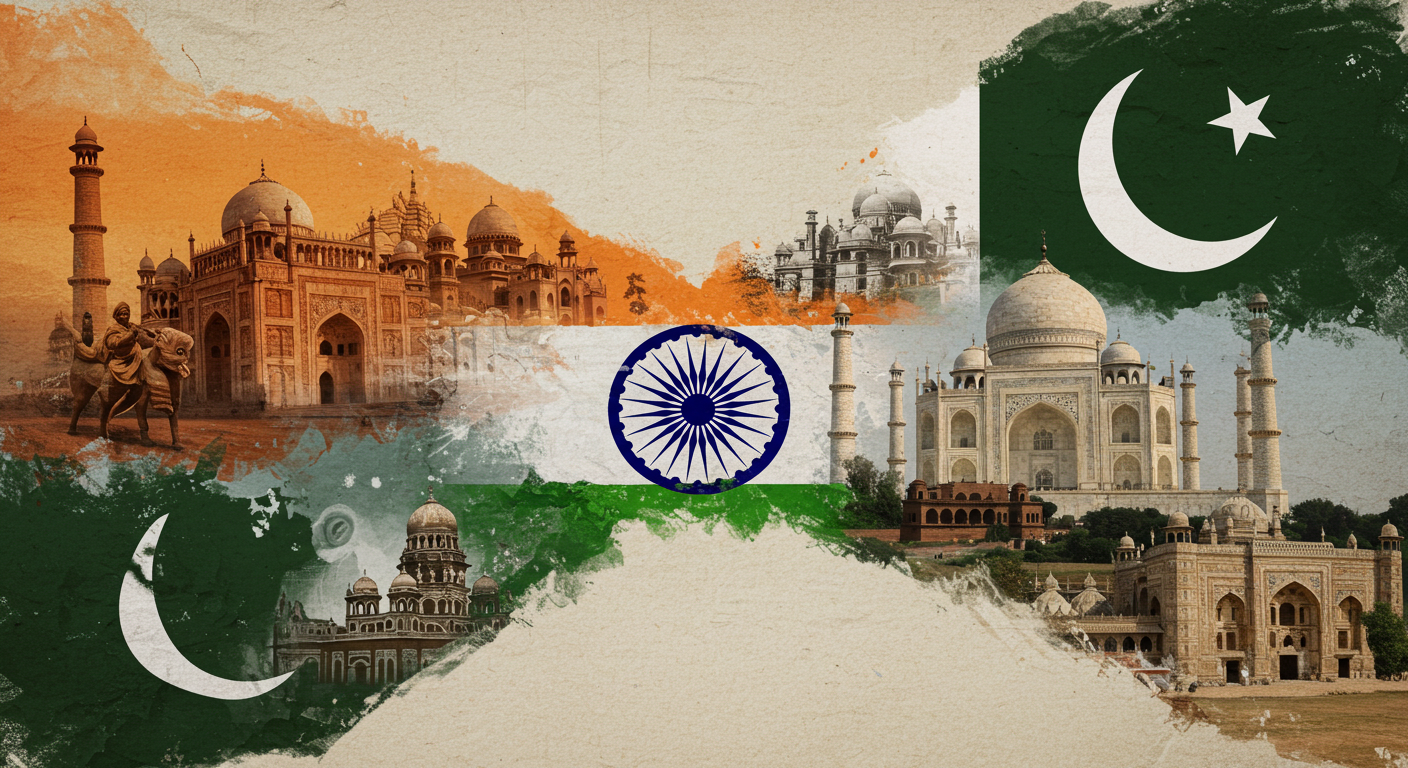
Despite years of aggressive posturing, global lobbying, and self-declared “strategic insulation,” India remains hopelessly tethered to Pakistan in both perception and policy. A recent article from the Australian-based East Asia Forum inadvertently highlights what Indian analysts and policymakers refuse to acknowledge: that Pakistan continues to shape India’s strategic calculus. In fact, New Delhi’s obsession with Pakistan has become its biggest strategic liability.
The irony is profound. India, a country aspiring to global leadership in the Indo-Pacific, cannot stop measuring itself against its neighbor whose size is a fraction of its own, and whose economy is often mischaracterized in Indian circles as “collapsing.” Yet for all of India’s supposed economic growth and military buildup, it remains strategically reactive to Pakistan, not detached. The fantasy of “de-hyphenation” is precisely that: a fantasy. On the ground and in diplomatic corridors, India’s approach remains obsessed with outmaneuvering Pakistan, proving it wrong, isolating it, and failing repeatedly.
Take the repeated Indian attempts to isolate Pakistan on the global stage. From the revocation of Article 370 in Kashmir to efforts at the Financial Action Task Force (FATF), India has thrown enormous political and financial capital into portraying Pakistan as a pariah. Yet, despite these efforts, Pakistan not only emerged victor, but is increasingly seen as a potential partner in global counterterrorism. India’s narrative, meanwhile, is losing traction, especially as its own record on minority rights, press freedom, and rising authoritarianism under the Modi regime draws scrutiny from Western governments and global watchdogs. India tried to isolate Pakistan, and has ironically isolated itself.
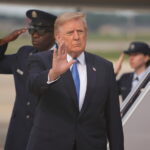
Washington’s attitude is instructive. When Prime Minister Modi called President Trump to deny that the US had brokered a ceasefire between India and Pakistan after the Pahalgam episode, Trump publicly dismissed India’s version. The next day, he invited Pakistan’s Field Marshal to the White House. This humiliation, largely buried in Indian media, revealed the limits of India’s so-called narrative dominance. Western powers continue to see Pakistan as a key crisis manager and stabilizer, especially in scenarios where India’s hyper-nationalist posturing risks escalation.
More strikingly, India’s response to the Pahalgam incident once again exposed the hollowness of its so-called strategic doctrine. Despite fiery rhetoric and media-fueled bravado, India failed to execute any meaningful retaliation that altered the strategic balance. Pakistan, by contrast, maintained a composed and calibrated posture, refusing to be drawn into escalation while making it clear that any misadventure would be met with force. The absence of a credible Indian response following the Pahalgam incident did not go unnoticed, even within Indian military and strategic circles, the silence has become deafening. What emerged instead was Pakistan’s quiet confidence and restraint, which stood in stark contrast to India’s confused signaling. In international forums and backchannel diplomacy alike, Islamabad was seen as the actor seeking to prevent further crisis, a position that earned it measured recognition.
And now, India’s distractions are costing it dearly. While Pakistan moves cautiously but deliberately toward regional repositioning, leveraging its corridor potential with China, consolidating ties with Gulf powers, and cautiously engaging with the West, India is caught in a widening contradiction. It dreams of Indo-Pacific leadership but is bogged down by border standoffs with China and domestic instability in its own peripheries, from Manipur to Kashmir. While India seeks to play a role in climate governance and technology leadership, its own human rights record, particularly with respect to minorities, invites growing international concern.
📄 POLICY WIRE WHITEPAPER PUBLISHED: PAKISTAN'S NATIONAL SECURITY POLICY PRIORITIES
👉 READ BY CLICKING HEREThe problem is that India refuses to stop measuring itself against Pakistan. Strategic insulation is not about ignoring a rival. It is about not letting that rival define your every move. For all the talk of “looking east” and Indo-Pacific realignments, India’s politics, especially during elections, still thrive on vilifying Pakistan, demonizing Muslims, and invoking imagined threats from across the border to consolidate power. In doing so, India reinforces exactly the Pakistan-centric worldview it claims to transcend.
Pakistan, on the other hand, does not need to claim parity with India, India grants it with every aggressive speech, every military mobilization, and every diplomatic tantrum. The only hyphenation that exists is the one India obsessively sustains. And so long as India remains consumed by the need to counter, contain, and outdo Pakistan at every turn, it will remain strategically stunted, powerful, but insecure; vocal, but ineffective.
Pakistan’s greatest leverage is not its military or its alliances, but its ability to remain calm when India overreacts. That restraint, that refusal to indulge in the same theatre, is what makes Pakistan strategically resilient, and, increasingly, globally relevant in ways India no longer controls.
Author