


Bangladesh’s Bold Cricket Gambit: Prioritizing National Duty Over T20 Riches
POLICY WIRE — Dhaka, Bangladesh — The high-stakes world of T20 franchise cricket often pits national ambitions against individual economic aspirations. But a recent, decisive move by the Bangladesh...

POLICY WIRE — Dhaka, Bangladesh — The high-stakes world of T20 franchise cricket often pits national ambitions against individual economic aspirations. But a recent, decisive move by the Bangladesh Cricket Board (BCB) unveils a stark reminder: some nations are drawing a firm line in the sand, prioritizing long-term national health over the immediate allure of lucrative league paychecks.
Back in Dhaka, the cricketing establishment isn’t just orchestrating roster changes; it’s quietly reshaping its philosophy on player management.
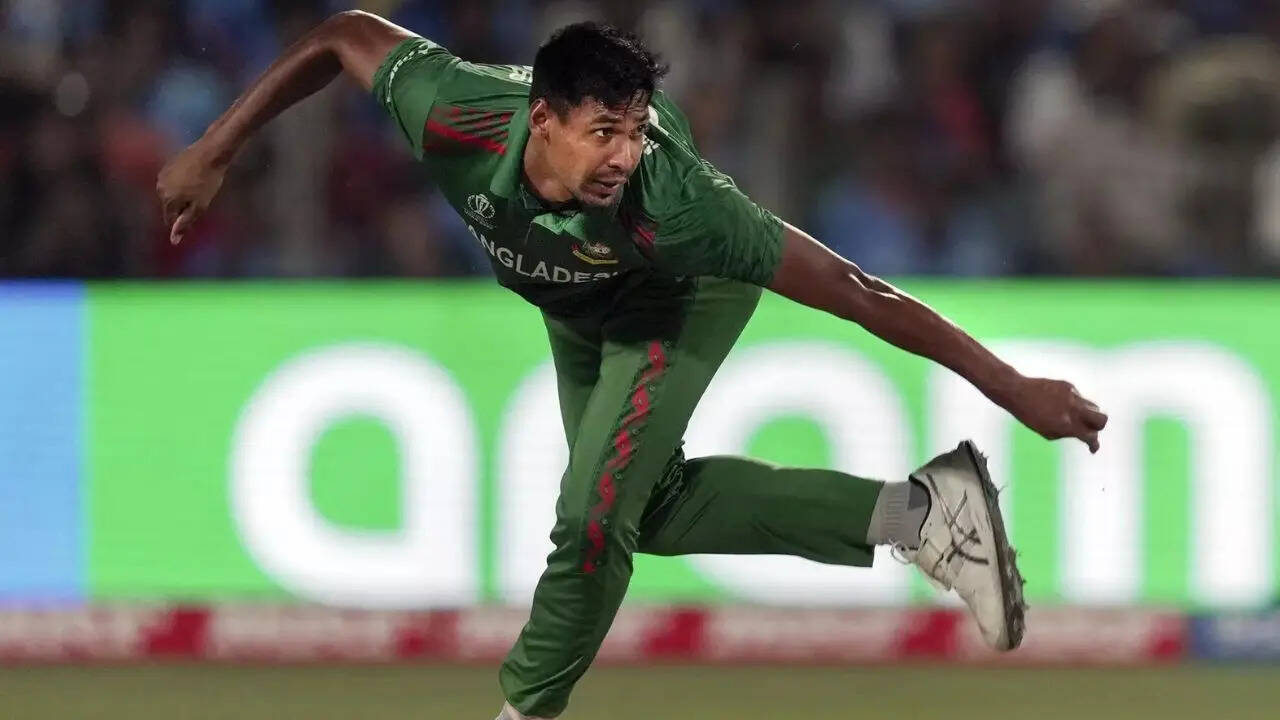
Few could have fathomed the immediate ripple effect of their latest mandate: star left-arm pacer Mustafizur Rahman, affectionately known as ‘The Fizz’ (a moniker he’s probably tired of by now, but hey, it stuck!), finds himself sidelined from the remainder of the Pakistan Super League (PSL) 2026. And that’s a significant shift. A bold stroke, really.
His No Objection Certificate (NOC), once a golden ticket to the vibrant South Asian franchise circuit, has been abruptly withdrawn. Why? An injury predicament, certainly, but more critically, a strategic pivot. A sudden, rather convenient, ‘injury concern,’ isn’t it?
The BCB affirmed Mustafizur needs an immediate scan, followed by a rehabilitation program under their direct supervision. This isn’t just about one player’s health; it’s about a board asserting control, a powerful chess move in the global cricketing game.
“We simply can’t afford to risk our key national assets for anything other than national duty,” stated Jalal Yunus, the BCB’s President of Cricket Operations, in a recent press briefing.
“Player fitness — and availability for Bangladesh are paramount. The long-term health of our athletes, especially our pace bowlers, is non-negotiable. We’ve seen too many promising careers cut short by injury, and we’re taking proactive steps to manage that.”
Indeed, this isn’t an isolated incident. Young fast-bowling talent Nahid Rana also had his PSL 2026 ambitions curtailed, with the board keen on preparing him for the upcoming Test series against Pakistan. Make no mistake, the message is loud and clear across the cricketing landscape: Bangladesh is drawing its players back home. No more freelancing.
This decisive action spotlights a growing tension between national boards and the ever-expanding global T20 league circuit. As players chase better contracts and diverse experiences, their home boards often wrestle with the consequences of fatigue and injury—a tightrope walk between immediate financial gain and future national glory.
Not everyone sees this as a negative for the game, though. “National boards have a fundamental responsibility to protect their players and their investment,” opined Shafqat Khan, a prominent South Asian cricket analyst.
“While players certainly benefit financially from leagues like the PSL, the ultimate goal for any professional cricketer from a developing nation is often to represent their country. This move by Bangladesh isn’t unique; it’s a strategic assertion of sovereignty over their talent pool.”
📖 THE POLICY DIGEST MAGAZINE: OCTOBER 2026 EDITION NOW LIVEExclusive Battle Damage Assessment by Sarah Adams, US-Iran Diplomatic Talks & Transnational Investigations👉 READ BY CLICKING HERE
But perhaps this calculated risk isn’t just about protecting star players. It’s also about opportunity. With senior pacers like Mustafizur, Taskin Ahmed, and Nahid Rana now focusing on recovery or national preparation, a fresh cohort of talent is stepping into the limelight. What else are they going to do?
The BCB announced its squad for the first two T20I matches against New Zealand, starting April 27 in Chattogram, showcasing several new faces. All-rounder Abdul Gaffar Saqlain earned his maiden T20I call-up, offering both batting depth and a viable pace option. Pacer Ripon Mondal, who has impressed with his consistent performances, particularly in the crucial death overs, also secured a spot. Led by Litton Das, this squad blends seasoned experience with emerging potential, a clear indication of a concerted effort to build significant bench strength. It’s a proper changing of the guard.
But the numbers tell an unflinching story about the perils of pace bowling. A recent study by the Dhaka Sports Medicine Institute, examining data from the past five years, found that pace bowlers in Bangladesh faced a a 28% higher incidence of injury requiring rehabilitation compared to their batting counterparts, often exacerbated by rigorous domestic and international schedules. You don’t say?
The BCB clearly hopes this strategy will ameliorate such risks. Much like how baseball teams manage their rosters with long-term strategic play in mind, cricket boards are increasingly adopting a holistic view of player careers, treating their athletes like precious commodities — something they simply can’t afford to mishandle, especially when national pride’s on the line.
What This Means
This bold move by the BCB carries significant implications across several fronts. Politically, it strengthens the board’s hand in future negotiations with global T20 leagues, sending a powerful message that national interests supersede commercial ones. Economically, while it might cost players like Mustafizur immediate income from league participation, the board likely views it as a necessary investment in their long-term health and, by extension, the national team’s sustained performance.
And diplomatically, within the broader South Asian cricketing sphere, it could set a precedent. Could other boards, grappling with similar player burnout issues, adopt a similar hardline stance? The Pakistan Super League, a jewel in the crown of Muslim world cricket, banks heavily on international star power. A trend of national boards recalling players could force leagues to adapt their scheduling or compensation models, potentially shifting power dynamics considerably — a scenario that isn’t unthinkable but definitely gives league organizers pause.
Will this strategy pay dividends for Bangladesh on the international stage? Only time will tell. But for now, the BCB has unmistakably hoisted its flag, asserting that national colors fly higher than any franchise banner. That’s the real story here, folks.
“This is a crucial juncture for cricket boards globally,” concludes Shafqat Khan. “The balance between commercial opportunity — and national duty is delicate. Bangladesh is making a statement that national pride and player welfare must, and can, come first, even if it means short-term sacrifices.”