

Strangled by the Climate Catastrophe: The Price of Global Warming for Pakistan
While unrelenting rains batter Pakistan, flattening everything in their path, taking lives, creating despair, and leaving homes in pieces, the numbers of the past week paint a scary picture, 64 in...

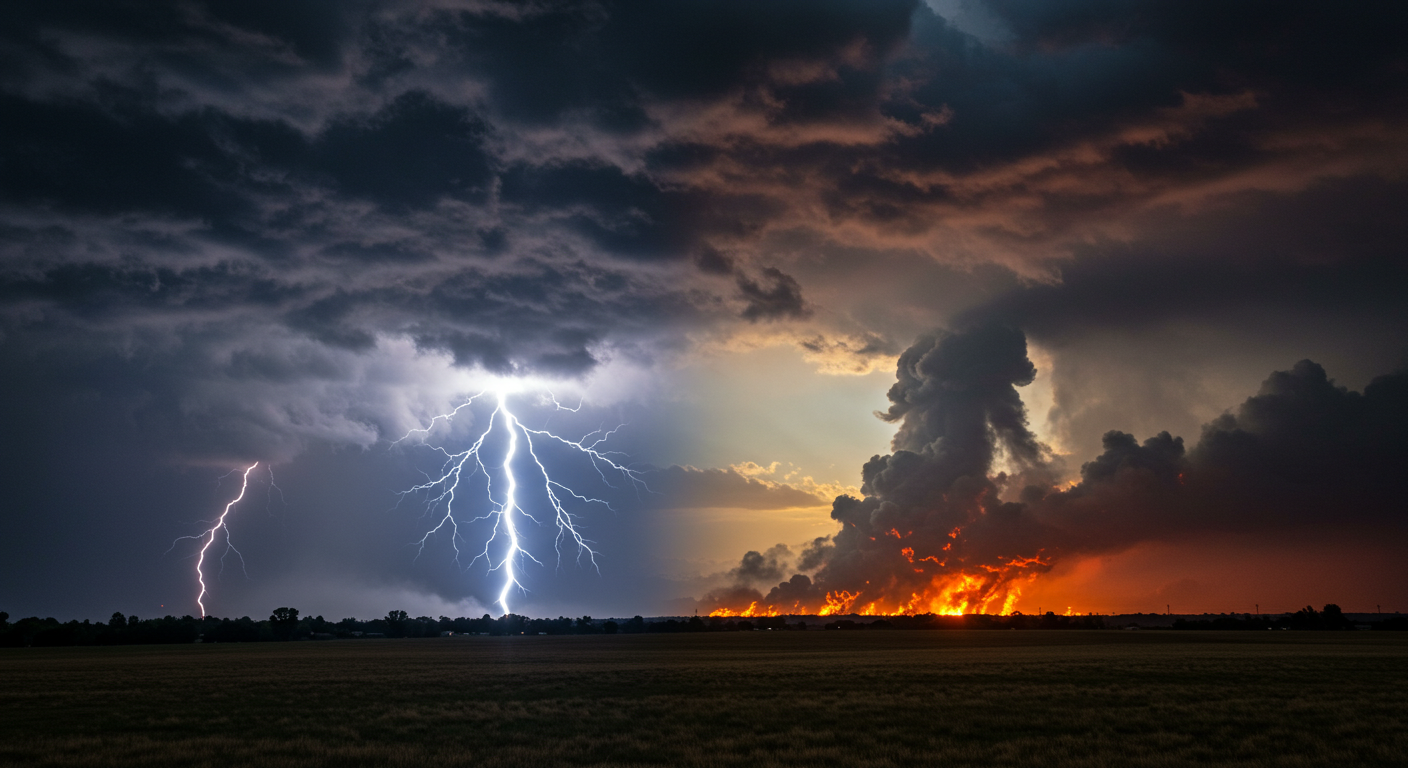
While unrelenting rains batter Pakistan, flattening everything in their path, taking lives, creating despair, and leaving homes in pieces, the numbers of the past week paint a scary picture, 64 in just one week. These are not numbers. These are families torn, children buried alive under collapsing walls, and communities once full of hope now dripping with desperation. From Khyber Pakhtunkhwa mountains to the fields of Punjab, the skies burst open not in kindness but with a ferocity that is defied by a more sinister, more complicated international reality: climate change is no longer pending in the future, but the tragedy of our present.
Pakistan has seen the fury of nature before. But we used to know nature in a different way. The monsoons were unpredictable, violent, and merciless. Flash floods have become a lethal addiction. Seasonal homes constructed to weather rain are now tumbling down in a deluge of climate-enforced storms. This is not shoddy infrastructure. This is not indigenous mismanagement. This is the price of a world on the hot, and Pakistan is paying a bill that it never signed up for.
The images unwinding across the nation are ghastly. In Khyber Pakhtunkhwa, 23 dead, 10 children among them. In Punjab, 21 more killed, 11 of them innocent young souls. Whole villages are being swept away by floodwaters. Roads, bridges, fields in minutes gone. And yet, the terror is but a footnote in the sweeping saga of climate accountability. Pakistan, which is responsible for less than 1 percent of the world’s carbon footprint, is one of the greatest victims of climate injustice.
The science is unmistakable. Rising global temperatures are boosting the water-holding capacity of the atmosphere, leading to heavier and more extended rain showers. Pakistan’s glaciers in the north are melting at record rates, charging its rivers and unleashing flash floods with very short warning. Together with unstable weather patterns, this is a lethal combination that has already driven millions into refugee status over the last decade. What is occurring now is not an anomaly. It is a trend, and it is gaining momentum.
What is particularly ironic is that Pakistan has been issuing warnings for decades. From the 2010 catastrophic floods to the record monsoons of 2022, the country has led the way in climate devastation. Each disaster is met with new commitments from the international community, but nothing tangible in the way of action. Trillions committed in climate dollars remain largely unpaid. Adaptation funds trickle in while waters rise. World polluters continue raising the output of fossil fuels while frontline countries such as Pakistan have to deal with the mess.
But even in the face of such giant tragedy, Pakistan never loses. It bounces back. The resilience of the spirit that exists among its people is unbeatable. Rescue workers, volunteers, and local authorities are risking their lives evacuating families, offering shelter, and bringing in supplies to victims. The National Disaster Management Authority has worked day and night, coordinating efforts with provincial governments, sending rescue teams, and undertaking relief operations regardless of the magnitude of the crisis.
📄 POLICY WIRE WHITEPAPER PUBLISHED: PAKISTAN'S NATIONAL SECURITY POLICY PRIORITIES
👉 READ BY CLICKING HEREStill, resilience is no replacement for justice. The world needs to face a bleak truth: unless all people on this planet commit to cutting emissions and heavily investing in climate adaptation today, such catastrophes will be the norm, not the exception. Pakistan cannot be forced to pay for a problem that it didn’t cause. Symbolic steps are no longer acceptable. What Pakistan, and the entire Global South, requires is climate equity, financing, and timely support.
It is not merely a Pakistani crisis. It is an alarm to the world. If the world cannot answer the drowning of whole communities with urgency and heart, then the next catastrophe will be for us all. The rains are weeping in the skies above Pakistan, and in those rains there is a query to the conscience of humankind: how many more must drown before the world wakes up at last?
Author