


Why Jane Austen’s Regency Era is the Secret Cure for Modern Dating Fatigue
As digital dating exhaustion peaks, modern singletons are looking to Jane Austen's world for a slower, more meaningful approach to romantic connection.

POLICY WIRE — London, UK — If you asked single people today whether they would travel back in time to date, the answer would almost certainly be an enthusiastic yes. While some dream of 1920s Paris or the disco-lit energy of 1970s New York, the Regency era has become the ultimate escape for those struggling with the complexities of contemporary romance.
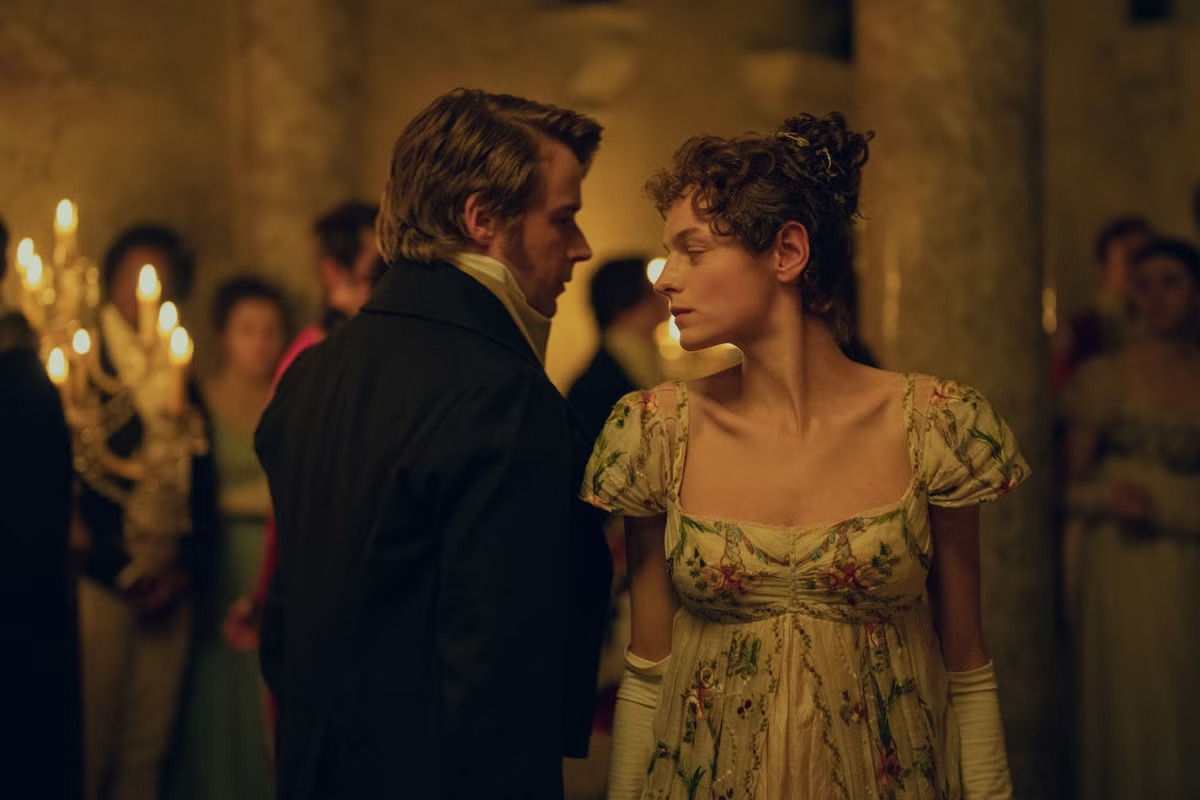
This renewed interest is being fueled by major screen adaptations. Following the recent cinematic release of a new Sense and Sensibility starring Daisy Edgar-Jones, anticipation is now building for Dolly Alderton’s Netflix adaptation of Pride and Prejudice, featuring Emma Corrin and Jack Lowden. For many women, these stories offer a temporary sanctuary from the tech-driven toxicity that defines today’s dating landscape.
The enduring appeal of Austen’s work lies in its profound emotional resonance. Her characters navigate the same human hurdles we face today: friction with family members, snap judgments, and the devastating pain of heartbreak. However, experts suggest that in a pre-digital world, these emotions were easier to manage without the pressure of constant online surveillance.
In the modern era, digital paranoia has become a significant burden. Users often spend hours analyzing a potential partner’s Instagram stories, scouring their LinkedIn achievements, or obsessing over the hidden meaning behind a social media post. Kaye Smith, a psychotherapist and behavioral coach, notes that the search for love has devolved into an exhausting exercise in image management and uncertainty navigation. She argues that we currently possess excessive information but insufficient genuine human interaction.
The Regency period also prioritized a code of manners and slow-burn communication. In the late 18th and early 19th centuries, interest was shown through polite invitations, handwritten letters, and physical gestures. While the era was far from a utopia—given the strict social restrictions on unmarried women—the focus on public balls and assemblies provided a structured environment for meeting that feels missing today.
Rebecca Mackillop, a lead therapist at Brain Botanics, explains that the demand for instant gratification in modern dating leads to rash decisions. We often judge a person based on a digital profile before truly knowing the individual. She observes that Austen’s novels highlight the importance of being gradually known rather than instantly evaluated, noting that Elizabeth Bennet was loved for her character, not a curated profile.
To integrate Regency-style values into modern life, Kendall Maloof, Clinical Director at Eagle Creek Recovery, suggests that people stop treating dates like job interviews. Instead of sitting across from someone to check off requirements, she recommends engaging in shared activities like walking or visiting exhibitions to foster natural conversation. Maloof also advises setting boundaries on how quickly one judges a potential connection, noting that attraction does not always manifest in the first hour.
Reporting by Policy-Wire (PW)