


U.S. Third-Country Deportation Policy Sends Protected Migrants Back to Danger
Investigation reveals U.S. deportees sent to third countries are rapidly rerouted to nations where judges barred their return over torture fears.

POLICY WIRE — Washington, D.C. — Roughly one million people were removed from the United States during the opening eighteen months of President Trump’s second term. While the vast majority returned to their nations of origin, approximately 25,000 individuals were diverted to third countries where they held no prior ties and often did not speak the local language. Although past administrations occasionally utilized third-country transfers, the current scale far exceeds historical precedent.
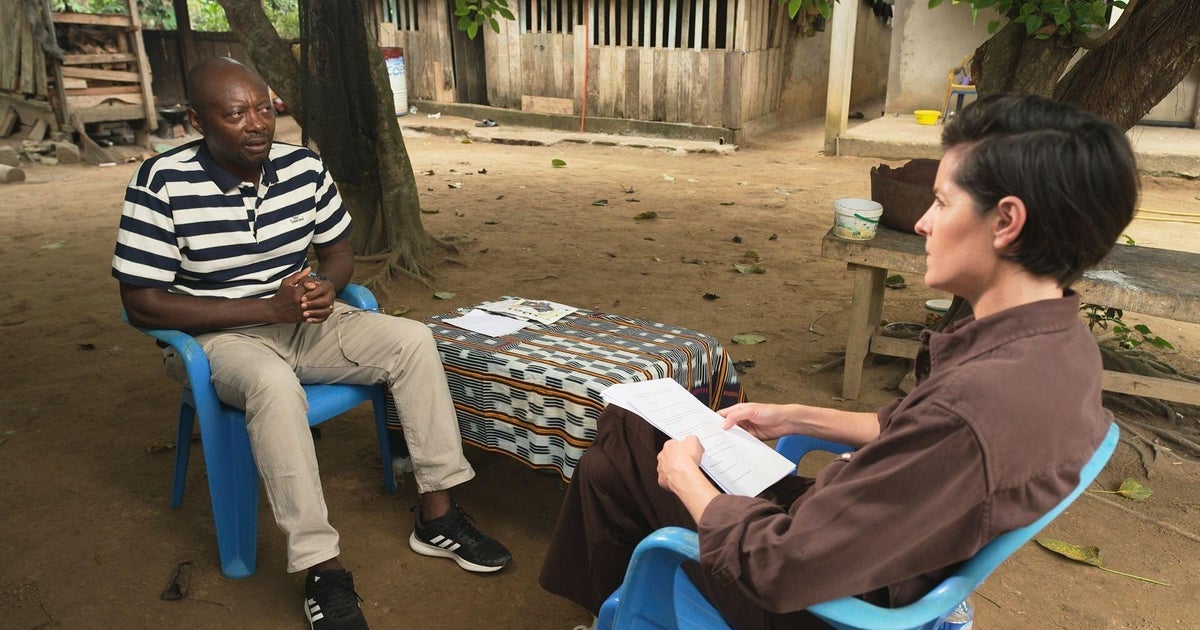
A five-month journalistic investigation uncovered multiple instances where deportees were landed in foreign territories only to be systematically forwarded to countries that U.S. immigration judges previously ruled would subject them to persecution or torture. Among those affected was Moussa Diawara, an Uber driver who lived peacefully in Texas for 25 years without a criminal record.
Federal immigration authorities detained Diawara outside his Houston-area home on July 11 following a midnight shift. Held in Texas without immediate access to legal counsel or a hearing, he was placed onto a deportation flight ending in Ghana on July 31. Two decades prior, Diawara had overstayed a tourist visa and successfully secured a withholding of removal because an immigration judge determined he would face persecution if sent back to Mali.
Upon arriving in Ghana, Diawara reported being locked inside a hotel by armed guards without communication access before local officials forced him onto a connecting flight to Mali. Living homeless and in hiding, he eventually escaped across the border into an undisclosed neighboring African nation. Department of Homeland Security top lawyer James Percival defended the broader initiative, asserting that third-country removals successfully neutralize public safety threats and fulfill statutory obligations.
Percival maintained that deportees either consent to returning home or foreign governments independently apply international procedures to facilitate repatriation. However, immigration attorney Meredyth Yoon stated that Washington maintains full awareness of Ghana’s practice of systematically returning refugees to the exact dangerous environments they fled. A federal appeals court recently declared the administration’s third-country strategy unlawful due to due process violations, though the Supreme Court permitted the removals to continue pending a December hearing.
Reporting by Policy-Wire (PW)