

POLICY WIRE FACT CHECK: Untangling the Web of 20 Viral Claims Surrounding US
The Claim Amid high-stakes electoral cycles in both the United States and Israel occurring just weeks apart, public discourse has been flooded with a collection of 20 prominent viral claims regarding...

The Claim
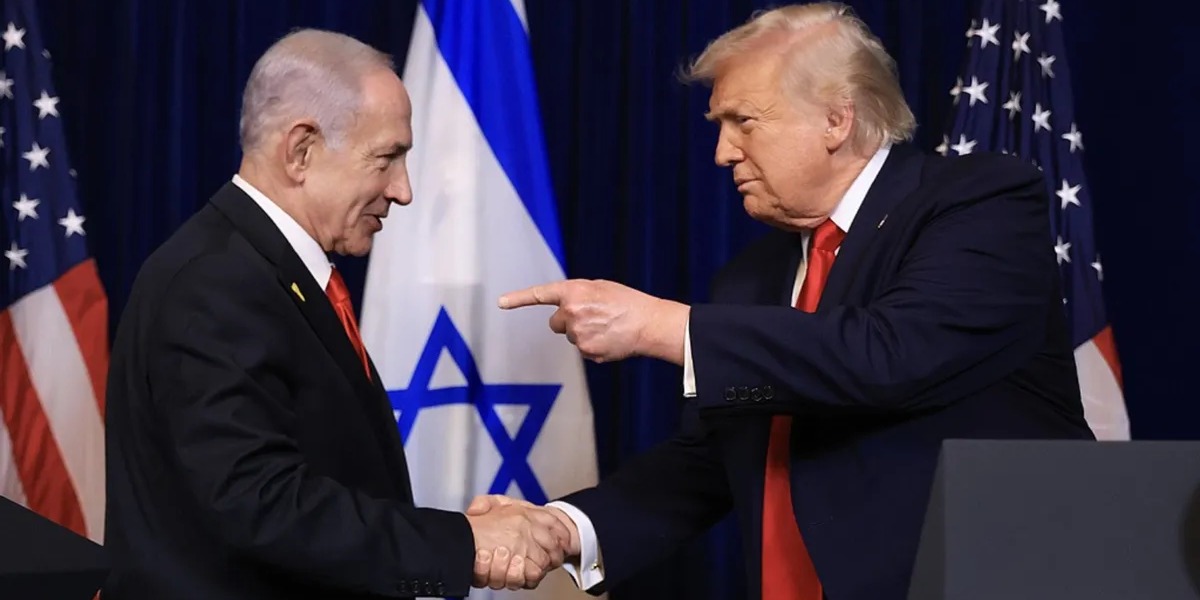
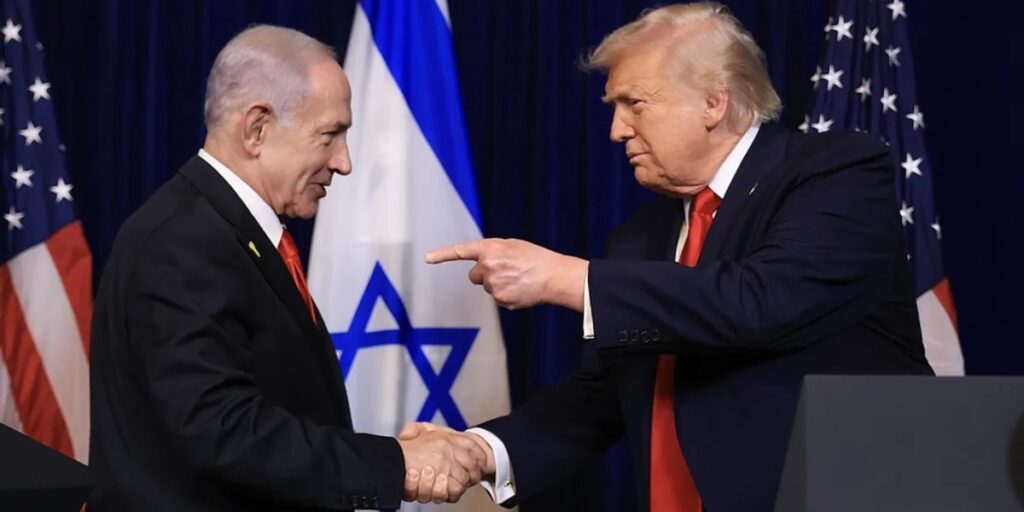
Amid high-stakes electoral cycles in both the United States and Israel occurring just weeks apart, public discourse has been flooded with a collection of 20 prominent viral claims regarding the historical and modern geopolitical ties between the two nations. Among these circulating assertions, a specific statement shared widely across digital platforms and social media networks—including a notable post by former U.S. President Donald Trump urging voters to support Israeli Prime Minister Benjamin Netanyahu—has triggered intense public debate and widespread scrutiny.
The claims, which span decades of diplomatic cooperation, military collaboration, and historical milestones dating back to the U.S. recognition of Israel on May 14, 1948, have been heavily packaged and recirculated across partisan digital spaces. These narratives frequently leverage out-of-context quotes, historical half-truths, and digitally amplified endorsements to influence public perception during sensitive political windows, prompting an urgent need for rigorous verification.
The Details & Investigation
To unpack the sprawling nature of this 20-claim dossier, the PolicyWire Counter-Misinformation & Disinformation Desk conducted an in-depth review of primary historical records, official embassy documentation, and verified wire reports. The bilateral relationship between the United States and Israel is historically anchored by the swift de facto recognition extended by the Truman administration immediately following Israel’s declaration of independence in May 1948. Over the decades, this foundational diplomatic tie has evolved into extensive cooperation encompassing intelligence sharing, trade agreements, and substantial military resource exchanges.
However, our investigation reveals that the collection of 20 claims currently circulating online contains a dangerous mixture of both misinformation and disinformation. Certain entries in the viral compilation represent unintentional misinformation—such as well-meaning citizens recirculating dated historical facts, outdated diplomatic policy pages from the U.S. Embassy in Jerusalem, or misconstrued timelines regarding legislative and executive actions. These errors typically stem from a lack of historical context rather than malicious intent.
Conversely, portions of the dossier cross the threshold into deliberate disinformation. These instances involve coordinated networks and hyper-partisan actors weaponizing selectively edited statements—such as social media endorsements and political rallying cries attributed to figures like Donald Trump regarding Benjamin Netanyahu—to manufacture false narratives about ongoing geopolitical coordination or covert policy shifts. By stripping these statements of their original contexts and injecting fabricated implications, bad actors attempt to manipulate public opinion and inflame political tensions during vulnerable electoral periods.
To counter these falsehoods, investigators rely strictly on documented diplomatic history and primary sources, such as official policy repositories maintained by the U.S. Embassy in Jerusalem and verified public statements. Official records demonstrate that while bilateral ties remain historically robust in trade and military sectors, many of the hyper-specific viral assertions regarding secret pacts, altered timelines of recognition, and forced political interventions are entirely unfounded fabrications designed to exploit public interest.
The Verdict
Based on our comprehensive review of primary documentation and historical archives, the sprawling collection of claims regarding U.S.-Israel relations earns a rating of MISLEADING. While the core historical premise that the United States was the first nation to recognize Israel in 1948 is definitively true, the surrounding ecosystem of 20 viral claims is heavily contaminated by both unintentional misinformation and deliberate disinformation designed to distort the geopolitical reality for political gain.
Consumers of news are advised to exercise extreme caution when encountering viral dossiers or unverified social media compilations regarding international diplomacy, relying instead on primary historical records and verified journalistic investigations.
Counter-misinformation & disinformation investigation conducted by PolicyWire Editorial Desk (PW).