


Southern California Wildfires Force Evacuations As Severe Winds And Heat Ignite Blazes
Explore the latest on Southern California brush fires driven by severe winds and heat, triggering widespread utility shutoffs and mandatory evacuations.

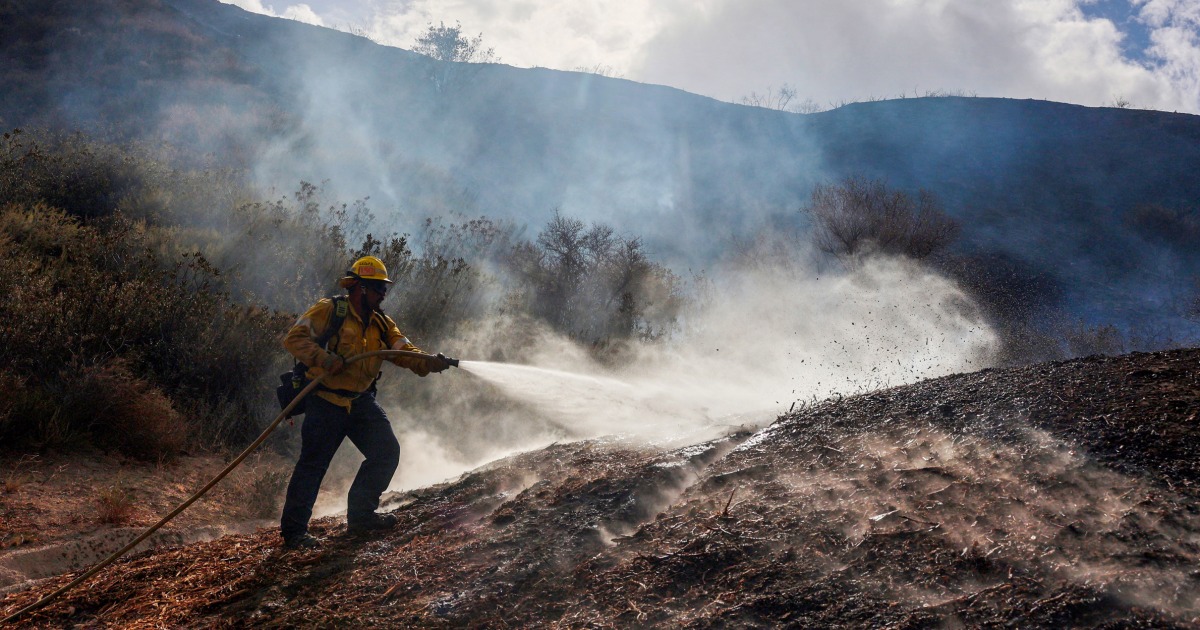
POLICY WIRE — San Francisco, United States — A series of aggressive brush fires erupted across Southern California on Thursday evening, fueled by hazardous combination of high temperatures and fierce winds that forced utility providers to cut electricity to tens of thousands of residents throughout the state.
A fast-moving blaze in the coastal city of Malibu, located west of Los Angeles, triggered urgent evacuation orders and warnings across a massive section of the Santa Monica Mountains. A thick column of dark smoke loomed over the hillsides, visible on nearby monitoring systems and from miles away.
The Malibu fire expanded to approximately 200 acres and posed a direct threat to a Los Angeles County juvenile detention and rehabilitative facility, forcing authorities to evacuate the site on Thursday night. Forecasters with the National Weather Service predicted that stronger overnight wind gusts could further accelerate fire activity.
Emergency crews simultaneously battled two additional fires that ignited earlier in the afternoon, prompting evacuation orders in the city of Azusa north of Los Angeles and near San Diego at Camp Pendleton. In Northern California, nearly 62,000 customers across 26 counties in the wine country, central coast, and Sierra Nevada foothills lost electricity as Pacific Gas and Electric Company initiated proactive shutoffs on Wednesday night.
An additional 65,000 clients lost power in Kern, Los Angeles, and Ventura counties on Thursday, according to Southern California Edison. Because power equipment has historically triggered some of California’s most devastating wildfires, utility operators now routinely cut service during dry and windy episodes to prevent disasters.
Hazardous weather conditions elevated the fire danger across the region, with high-risk patterns expected to persist through Saturday. Responding to past criticism regarding the municipal response to deadly 2025 blazes, Los Angeles Mayor Karen Bass instructed the city fire department to pre-deploy personnel and equipment while requesting emergency assistance from the state office.
Rose Schoenfeld, a meteorologist with the National Weather Service, described the situation as a widespread event of elevated fire weather that requires the entire Southern California region to remain on high alert. The atmospheric threat centers on dry, warm, and gusty northeast winds known as Santa Anas, which blow from the state’s interior toward the coast.
Forecasters tracked sustained winds reaching 20 to 40 mph with violent gusts between 50 and 70 mph across the Santa Susana mountains in Ventura County and the San Gabriel mountains in Los Angeles County. Brief yet critical fire weather conditions were also anticipated in parts of the Santa Lucia mountains in San Luis Obispo County.
The wind-driven fire in Azusa forced immediate evacuation orders for foothill neighborhoods in the San Gabriel mountains, though those directives were later reduced to warnings. Jonathan Torres, a spokesperson for the Los Angeles County Fire Department, noted that roughly 200 firefighters contained a 40-acre blaze, halting its forward progress by mid-afternoon.
Further south at Camp Pendleton, a military base fire threatened local structures and prompted evacuation orders in the Las Flores sector that were later canceled by evening. Personnel from the California Department of Forestry and Fire Prevention and the Camp Pendleton Fire Department confronted the flames, which swelled beyond 1.5 square miles and sent heavy smoke into the atmosphere.
The military installation temporarily closed a segment of Interstate 5, a vital north-south transit corridor in Southern California. Infrastructure damage from the flames also caused a power outage in the Las Pulgas zone where the incident began.
Northern California communities faced high temperatures, low humidity, and powerful winds beginning Wednesday night. Consequently, the National Weather Service issued Red Flag Warnings across central and Northern California through Friday morning, cautioning that any new ignitions would spread rapidly.
Pacific Gas and Electric Company stated that 90,000 customers across 29 counties received notifications regarding potential service interruptions. These outages, stretching from the Central Coast to the upper Sierra Nevada, could persist through Saturday afternoon, while Southern California mountain regions remained under Red Flag Warnings until Friday night.
Authorities remain on edge following the catastrophic January 2025 wildfires, when the Santa Ana-fueled Palisades Fire tore through a hillside Los Angeles neighborhood, claiming 12 lives and destroying ocean-view estates. Investigators concluded that fire stemmed from a previous blaze allegedly ignited intentionally by a 29-year-old man.
Simultaneously, a separate fire in Altadena killed 19 people and destroyed over 9,400 homes and businesses after sparks flew from an idle transmission tower owned by Southern California Edison. Schoenfeld noted that the current Santa Ana winds are projected to remain below the 60 to 100 mph gusts recorded during those historical tragedies.
To mitigate ongoing risks, Southern California Edison weighed public safety power shutoffs that could ultimately impact 207,000 customers, with 105,000 of those accounts located in Ventura County north of Los Angeles.
Reporting by Policy-Wire (PW)