


Global Shipping Shifts as Iran Conflict Disrupts Marine Fuel Markets
The US-Israeli war on Iran is reshaping global bunker fuel procurement. Shippers pivot to spot purchases amid supply chain volatility and price spikes.

POLICY WIRE — Singapore, Singapore — The ongoing US-Israeli war on Iran is fundamentally transforming how global shippers procure bunker fuel. Industry executives report a widespread shift toward spot and short-term purchasing strategies as companies struggle to navigate extreme price volatility and supply chain instability.
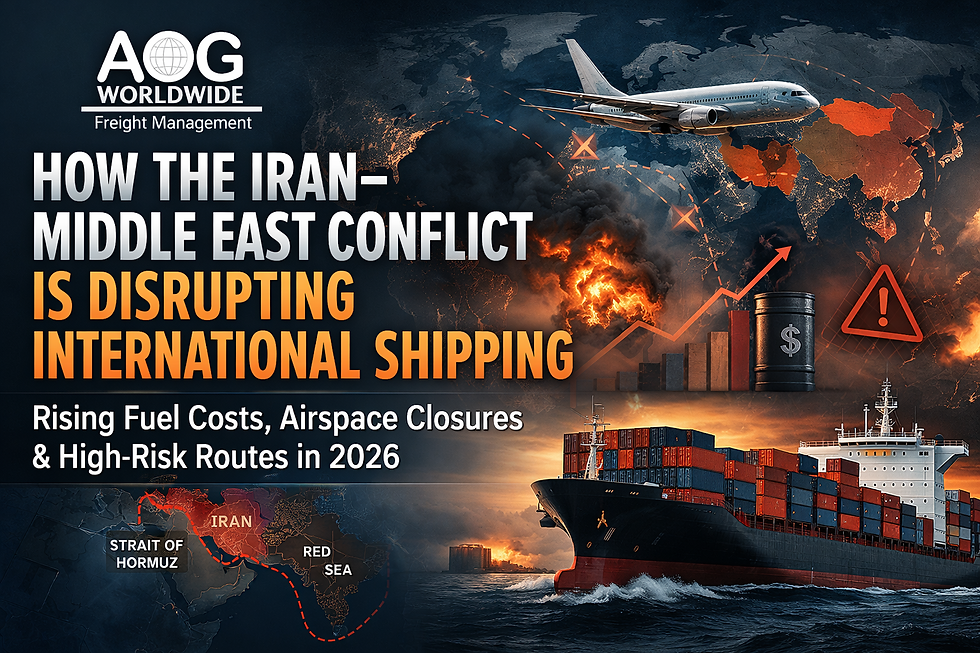
The conflict has caused a partial closure of the Strait of Hormuz, a critical maritime artery that typically handles roughly 20% of the world’s daily seaborne oil and significant volumes of LNG. This disruption has triggered immediate logistical challenges and price fluctuations across the Middle East and the Indian Subcontinent.
Market data indicates that the 2026 conflict has resulted in one of the most significant supply disruptions in the history of the global oil market. Consequently, demand has slumped at Fujairah, the world’s third-largest marine fuel hub, as vessel transit through the Strait of Hormuz slows and regional uncertainty grows.
According to the European Federation for Transport and Environment, the daily cost of the war for the global shipping industry has reached 340 million euros, or nearly $400 million. Oliver Miloschewsky of the risk consultancy firm Aon noted that bunker fuel shortages tend to feed through to shipping costs more quickly than many other cost pressures.
Despite the turmoil, a market survey of 17 leading global locations showed that bunker sales volumes jumped on a yearly basis during the first quarter of 2026. This early surge reflected the initial impact of the conflict as shippers began exploring alternative supply locations to ensure security.
Reporting by Policy-Wire (PW)