


The AI Dating Dilemma: Why Men Are Turning to Synthetic Photos to Find Love
As AI-generated photos flood dating apps, singles face new challenges. Explore how platforms like Hinge and Bumble are policing digital authenticity.

POLICY WIRE — Boston, USA — For 31-year-old Boston resident Marissa, the search for a romantic partner has become increasingly complicated by a new trend: the rise of AI-generated profile pictures. She now finds herself actively seeking out photos that are clearly free from artificial manipulation, noting that she is unsure of the appeal behind using such technology.
Social media platforms like TikTok are filled with reports from women identifying AI-generated images on dating apps. This trend is blurring the lines between reality and fabrication, sparking a broader debate about the ethics of manipulating one’s online persona to secure matches.
While filters have long been a staple of online dating, modern AI tools allow users to generate high-quality, deceptive imagery in seconds. Experts suggest that men are currently more inclined to use these tools than women, largely because men often struggle more to stand out in a competitive dating market where women typically receive a higher volume of messages.
Common indicators of AI interference include anatomical errors, such as missing fingers, or a distinct waxy texture on the subject’s face. Despite these flaws, the rapid advancement of generative models is making it increasingly difficult for users to distinguish between authentic photography and synthetic creations.
Lana Li, a Brooklyn-based dating consultant who operates the Substack Love Me Like a Robot, positions herself as a digital stylist. She utilizes AI to help male clients improve their profiles, though she maintains that the final images must remain representative of the individual. She occasionally uses FaceApp to subtly adjust facial expressions, such as lifting a mouth corner to appear friendlier, but she draws a hard line at extreme alterations like swapping bodies.
One 30-year-old tech worker in New York City utilized ChatGPT through Li to refine his professional attire and manage frizzy hair. He emphasized that his goal was not to catfish anyone, but rather to present a polished version of himself. Conversely, another client, a man in his 50s, faced a temporary ban from Hinge after using Aragon.ai to generate a photo of himself on a Manhattan rooftop, which he suspects triggered the platform’s automated removal systems.
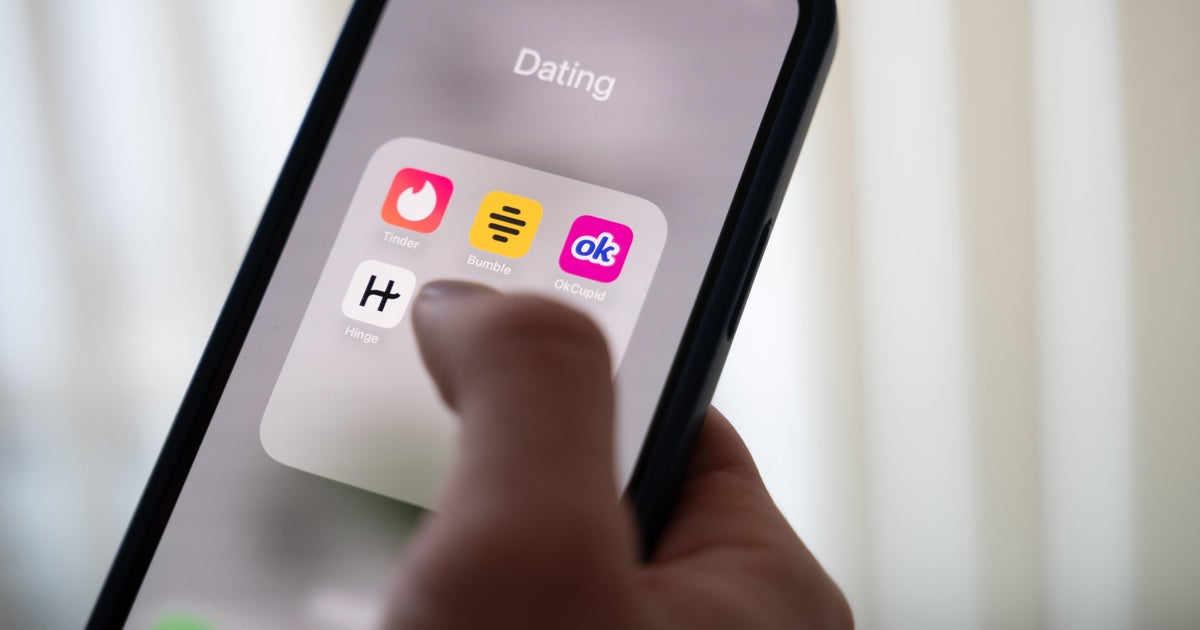
Major dating platforms are now actively responding to these concerns. Hinge explicitly states that users should not use generative AI to misrepresent their intentions, employing both automated detection and human moderation to enforce these standards. A spokesperson for Match Group, which oversees Hinge and Tinder, confirmed that the company is monitoring the evolution of AI to ensure transparency and authenticity for its users.
Bumble has also implemented strict community guidelines that prohibit the use of artificially generated or enhanced photos intended to deceive others. The company utilizes a mix of AI-powered tools, human oversight, and user reporting to maintain platform integrity, with penalties ranging from warnings to permanent account bans.
For users like Marissa, the prevalence of AI-enhanced profiles is simply another hurdle in an already difficult dating landscape. She remains skeptical of the trend, questioning how much artificial intervention is acceptable when trying to make a genuine human connection.
Reporting by Policy-Wire (PW)