

POLICY WIRE FACT CHECK: Viral Claims Regarding Federal Logging Orders Exaggerate Scope of Land Exposure
The Claim Viral social media posts circulating in late 2026 claimed that an “emergency order” signed by President Donald Trump effectively opened 59% of all U.S. national forests to...

The Claim
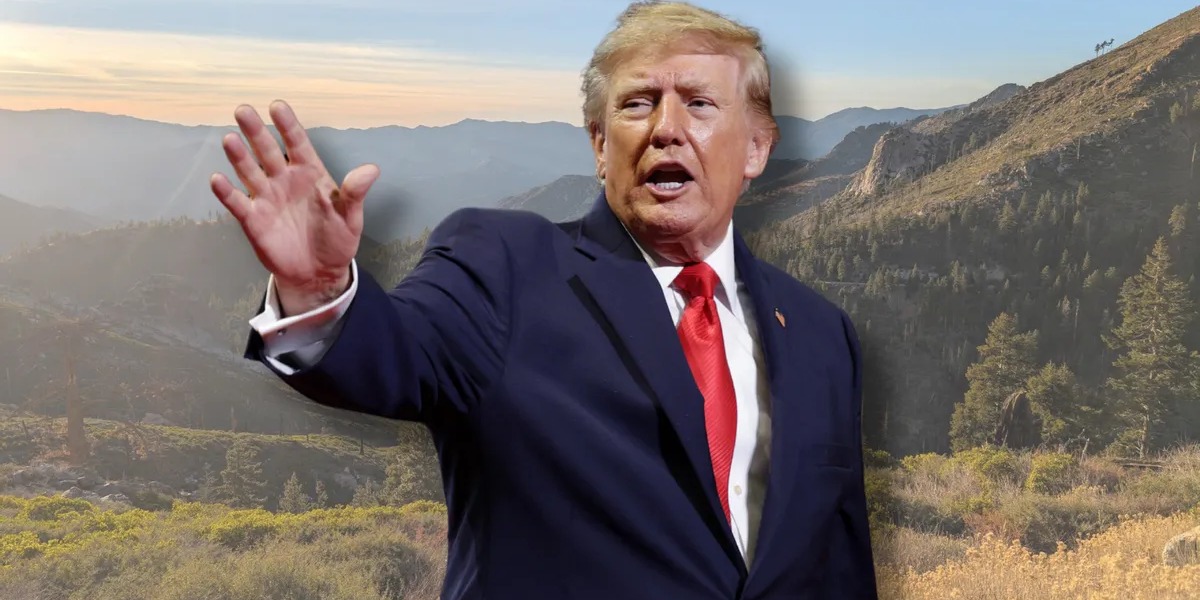
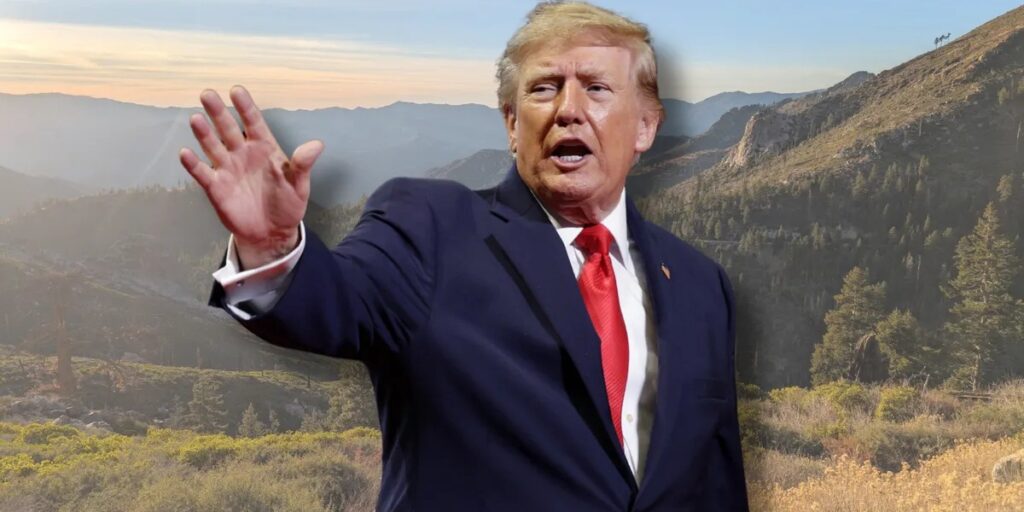
Viral social media posts circulating in late 2026 claimed that an “emergency order” signed by President Donald Trump effectively opened 59% of all U.S. national forests to logging. These posts, which gained significant traction across various platforms, suggested that the administration had unilaterally removed protections from the vast majority of federal forestland, sparking widespread public concern regarding environmental conservation and the future of protected wilderness areas.
The claims often cited NPR as the source for the 59% figure, alleging that the administration’s policy shift would result in the mass exploitation of previously protected regions. This narrative gained momentum following announcements from the U.S. Department of Agriculture (USDA) regarding the potential rollback of the 2001 Roadless Rule.
The Details & Investigation
Our investigation reveals that these viral claims constitute a mixture of misinformation and disinformation. While the administration did indeed issue an executive order in March 2025 titled “Immediate Expansion of American Timber Production” and subsequently moved to roll back the 2001 Roadless Rule, the specific figure of 59% is a gross exaggeration of the policy’s actual impact. The claim appears to be a result of misinterpreting historical data regarding the Roadless Rule, which originally protected approximately 58 to 59 million acres, and conflating that total with the percentage of total national forestland.
The 2001 Roadless Rule, at its inception, covered nearly 60 million acres. However, the current federal application of this rule is significantly smaller due to state-level protections in regions like Colorado and Idaho that supersede federal mandates. Current estimates suggest the federal rule now applies to roughly 45 million acres. When analyzed against the total acreage managed by the Forest Service, the proposed repeal would impact approximately 24% of forestland, not 59%. Furthermore, the Forest Service classifies only 49 million acres of its 193 million-acre portfolio as “suitable for timber management,” rendering the viral claim of a 59% opening mathematically and operationally impossible.
The disinformation element arises from the deliberate misrepresentation of the USDA’s policy goals. While the administration is actively seeking to streamline timber production by bypassing certain provisions of the National Environmental Policy Act (NEPA) and the Endangered Species Act (ESA) during “emergency” scenarios, the narrative that this constitutes a blanket opening of 59% of national forests is a fabrication. The administration’s actions are focused on specific regulatory rollbacks, such as the Roadless Rule, which is currently under public comment and faces significant opposition from tribal nations, environmental groups, and a bipartisan coalition of 164 lawmakers who cite concerns over wildfire risks and a $6 billion maintenance backlog.
By attributing these inflated figures to reputable news outlets like NPR—which never published such statistics—the viral posts engaged in a coordinated effort to amplify public alarm through the use of false authority. This misattribution serves as a hallmark of disinformation, designed to lend credibility to an otherwise inaccurate narrative.
The Verdict
We rate the claim that 59% of U.S. national forests have been opened to logging as FALSE. While the administration has pursued policies that facilitate increased timber production and the repeal of the Roadless Rule, the 59% figure is a distortion of historical acreage data and does not reflect the actual scope of the proposed regulatory changes.
The claim is a mixture of misinformed interpretation of policy and deliberate exaggeration of scale. The actual impact, while significant to environmental policy, is limited to approximately 24% of forestland, and even that figure does not account for land suitability or ongoing legal and administrative challenges. The public is advised to rely on official USDA documentation rather than viral social media summaries.
Counter-misinformation & disinformation investigation conducted by PolicyWire Editorial Desk (PW).